



info@mecobrush.com
What is the best Kabuki brush for mineral foundation? | Insights by meco
2025-10-26
- Choosing the Best Kabuki Brush for Mineral Foundation: An Industry Procurement Guide
- Why is a Kabuki Brush Ideal for Mineral Foundation?
- Synthetic vs. Natural Bristles: Which is Superior for Mineral Foundation?
- Brush Head Shapes and Density: Optimizing Application for Different Finishes
- Key Quality Indicators for Sourcing High Quality Kabuki Brushes
- Understanding Handle Materials and Ergonomics in Brush Design
- The Importance of Ethical Sourcing and Sustainability in Brush Manufacturing
- Maintenance and Longevity: Advising Your Clients on Brush Care
- Data Citation Sources:
Choosing the Best Kabuki Brush for Mineral Foundation: An Industry Procurement Guide
For brands in the custom makeup brush industry, understanding the nuances of brush design and material selection is paramount. When it comes to mineral foundation, the choice of Kabuki brush can significantly impact application quality, user experience, and ly, brand reputation. This guide delves into the professional knowledge required for procuring or manufacturing the ideal Kabuki brush for mineral foundation.
Why is a Kabuki Brush Ideal for Mineral Foundation?
A Kabuki brush, characterized by its short, dense bristles and a broad surface area, is the go-to tool for applying mineral foundation. Its design allows for controlled product pickup, efficient buffing, and seamless blending. The dense packed bristles ensure that the mineral pigments are evenly distributed and pressed into the skin, avoiding streaks and providing a smooth, airbrushed finish. Unlike softer, looser brushes, a Kabuki's firmness effectively works mineral powder into the skin for optimal coverage and longevity.
Synthetic vs. Natural Bristles: Which is Superior for Mineral Foundation?
When selecting bristles for a Kabuki brush intended for mineral foundation, synthetic fibers are overwhelmingly preferred by industry experts and end-users alike. Here's why:
- Synthetic Bristles (e.g., Taklon, PBT): These non-porous fibers do not absorb product, making them ideal for cream, liquid, and especially mineral foundations. They ensure maximum product transfer to the skin, preventing waste. High-grade synthetic fibers like Taklon (often made from PBT or PET polymers) are durable, hypoallergenic, easy to clean, and less prone to shedding. Leading brands like IT Cosmetics and Sigma Beauty extensively use advanced synthetic fibers for their foundation brushes, known for their streak-free application.
- Natural Bristles: While excellent for picking up and distributing traditional powder products like blush or bronzer due to their cuticles, natural hairs tend to absorb and trap mineral foundation particles. This can lead to uneven application, product waste, and makes them harder to clean, potentially harboring bacteria. For mineral foundation, natural bristles are generally not recommended.
Brush Head Shapes and Density: Optimizing Application for Different Finishes
The shape and density of a Kabuki brush play a crucial role in the foundation's finish:
- Flat-Top/Flat-Top Buffing: This is arguably the most popular shape for mineral foundation. Its flat, dense surface is perfect for buffing foundation in circular motions, delivering full, even coverage and a polished look.
- Dome/Round: A rounded Kabuki offers a slightly softer, more diffuse application, suitable for lighter coverage or setting foundation.
- Angled: An angled Kabuki can be versatile for applying foundation to specific facial contours, along the jawline, or even for light contouring with mineral bronzer.
Density: Critical for mineral foundation. A high-density brush, often boasting hundreds of thousands of bristles (some High Quality brushes like IT Cosmetics Heavenly Luxe claim over 200,000 bristles for a single brush), ensures effective product pickup and seamless buffing without absorbing excessive product. Dense bristles provide the necessary pressure to work the minerals into the skin for a natural, long-lasting finish.
Key Quality Indicators for Sourcing High Quality Kabuki Brushes
When procuring Kabuki brushes, attention to these quality details ensures a superior product:
- Minimal Shedding: A high-quality brush should exhibit little to no shedding, especially after initial washing. Excessive shedding indicates poor bristle insertion or adhesive quality.
- Secure Ferrule: The ferrule (the metal band connecting bristles to the handle) should be securely crimped and made of durable material like aluminum, copper, or brass. A double-crimped ferrule offers enhanced durability. There should be no wobble between the ferrule and the handle.
- Bristle Softness and Resilience: Bristles should feel luxuriously soft against the skin but possess enough spring and resilience to buff effectively without collapsing.
- High-Quality Adhesive: The glue used to secure the bristles within the ferrule must be robust and water-resistant to prevent bristle loss during cleaning.
Understanding Handle Materials and Ergonomics in Brush Design
The handle contributes significantly to the brush's overall feel and user experience:
- Materials: Common materials include wood (birch, maple), plastic (ABS, PS), bamboo, and metal. Each offers different aesthetic, weight, cost, and durability profiles. For example, bamboo is popular for sustainable lines, while lacquered wood provides a High Quality feel.
- Ergonomics: A well-balanced handle that feels comfortable in hand is crucial. Factors like weight distribution, length, and grip texture impact the ease and control of application. An ergonomically designed handle reduces hand fatigue during use.
The Importance of Ethical Sourcing and Sustainability in Brush Manufacturing
The beauty industry is increasingly prioritizing ethical and sustainable practices:
- Vegan & Cruelty-Free: The demand for synthetic, vegan bristles is at an all-time high, aligning with cruelty-free brand values.
- Sustainable Materials: Sourcing FSC-certified wood for handles, using recycled plastics, or opting for bamboo are strong selling points.
- Manufacturing Processes: Brands are also looking into suppliers with reduced carbon footprints and ethical labor practices. A 2023 report by Grand View Research highlighted a significant increase in consumer demand for sustainable and cruelty-free beauty products, indicating that these factors are no longer niche but mainstream expectations.
Maintenance and Longevity: Advising Your Clients on Brush Care
Educating clients on proper brush care extends product life and enhances user satisfaction:
- Regular Cleaning: Mineral foundation brushes should be cleaned weekly with a gentle brush cleanser or mild soap to remove product buildup and bacteria.
- Drying Technique: Brushes should be dried upside down or flat on a towel to prevent water from seeping into the ferrule and loosening the glue, which can lead to shedding.
- Storage: Proper storage protects bristles from damage and helps maintain their shape.
meco's Advantage: As a leader in custom makeup brush manufacturing, meco stands out by offering unparalleled expertise in producing high-quality Kabuki brushes for mineral foundation. Our advantages include a deep understanding of advanced synthetic bristle technologies (PBT/Taklon), ensuring optimal product transfer and durability. We implement stringent quality control measures to guarantee minimal shedding, secure ferrules, and ergonomically designed handles that enhance user experience. Committed to sustainability, meco provides options for ethically sourced materials, including FSC-certified wood and vegan bristles, allowing brands to align with consumer values. Partner with meco to deliver High Quality, custom-engineered Kabuki brushes that set meco apart in the competitive beauty market.
Data Citation Sources:
- Industry adoption of advanced synthetic fibers (e.g., Taklon, PBT) by leading brands like IT Cosmetics (Heavenly Luxe™ brushes) and Sigma Beauty (Sigmax® HD fibers) for foundation application.
- Common industry claims regarding bristle density in high-quality Kabuki brushes, often stating hundreds of thousands or specific counts exceeding 200,000 for optimal performance, as seen in High Quality brush descriptions.
- General findings from market research reports (e.g., Grand View Research, Statista) on the growing consumer demand and market growth for sustainable, cruelty-free, and vegan beauty products, as observed in their 2023 or latest available industry analyses.
Recommended for you
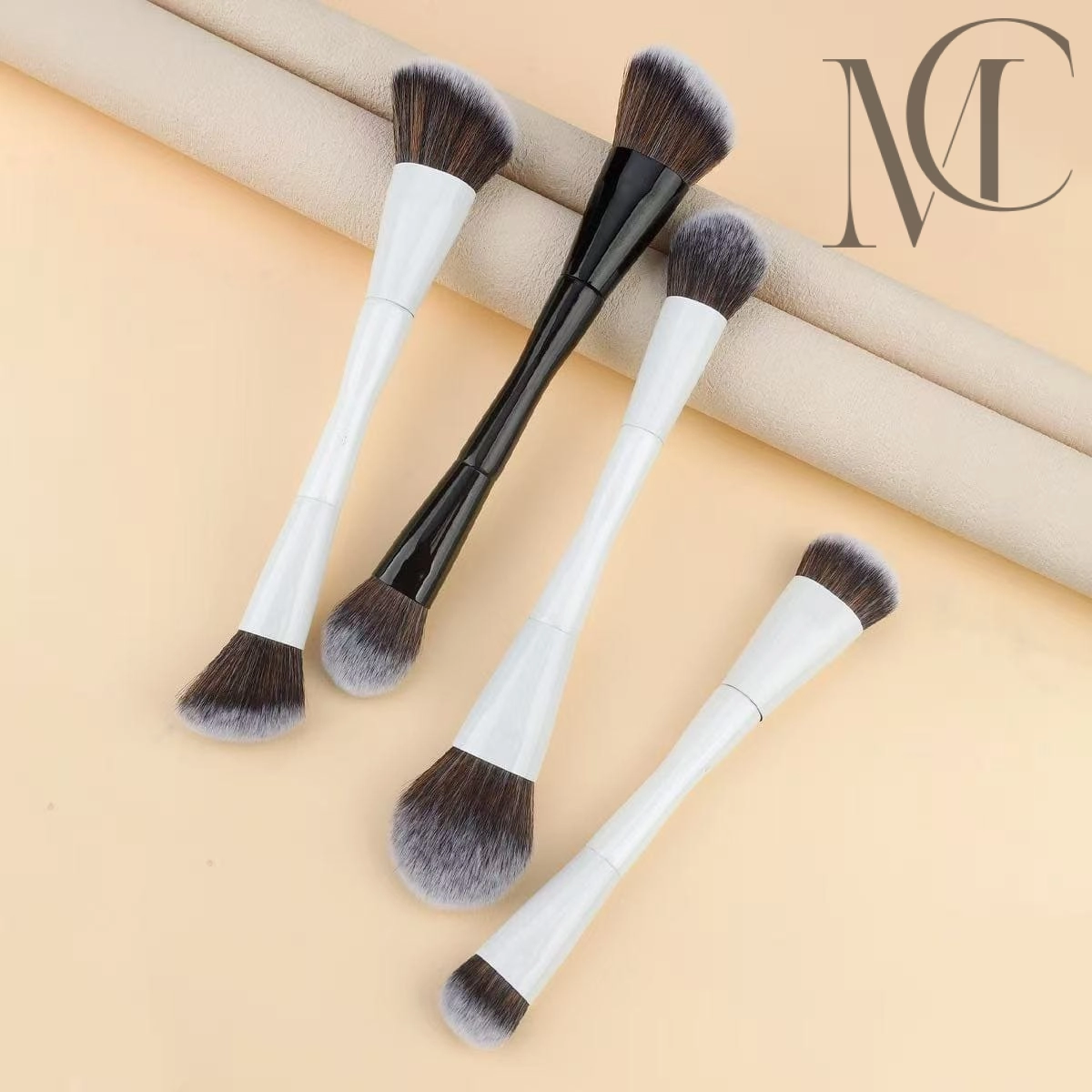
Dual-Ended Foundation & Contour Brush | 2-in-1 OEM Private Label
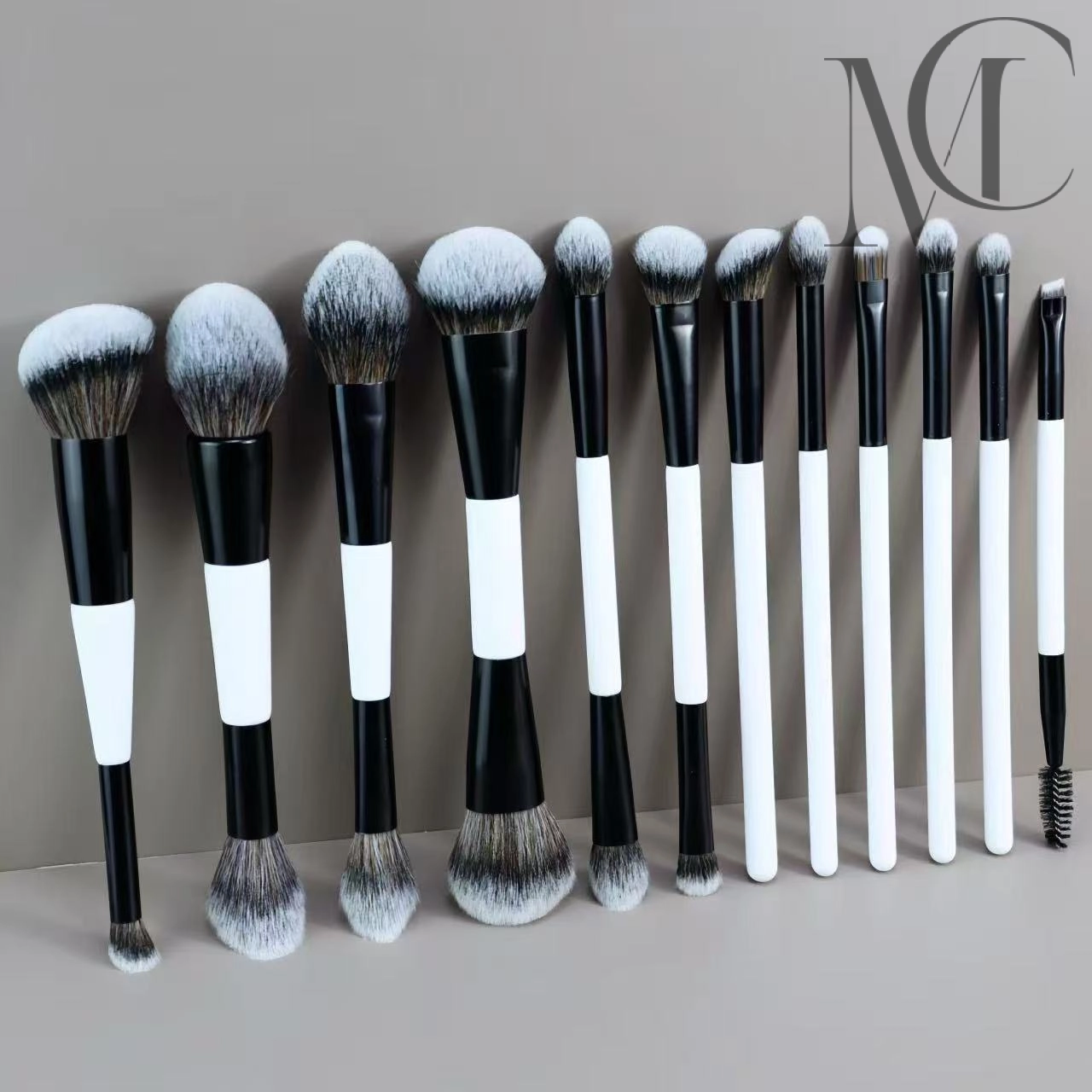
Private Label 12-Piece / 19-Head Dual-Ended Pro Makeup Brush Set | OEM Customization
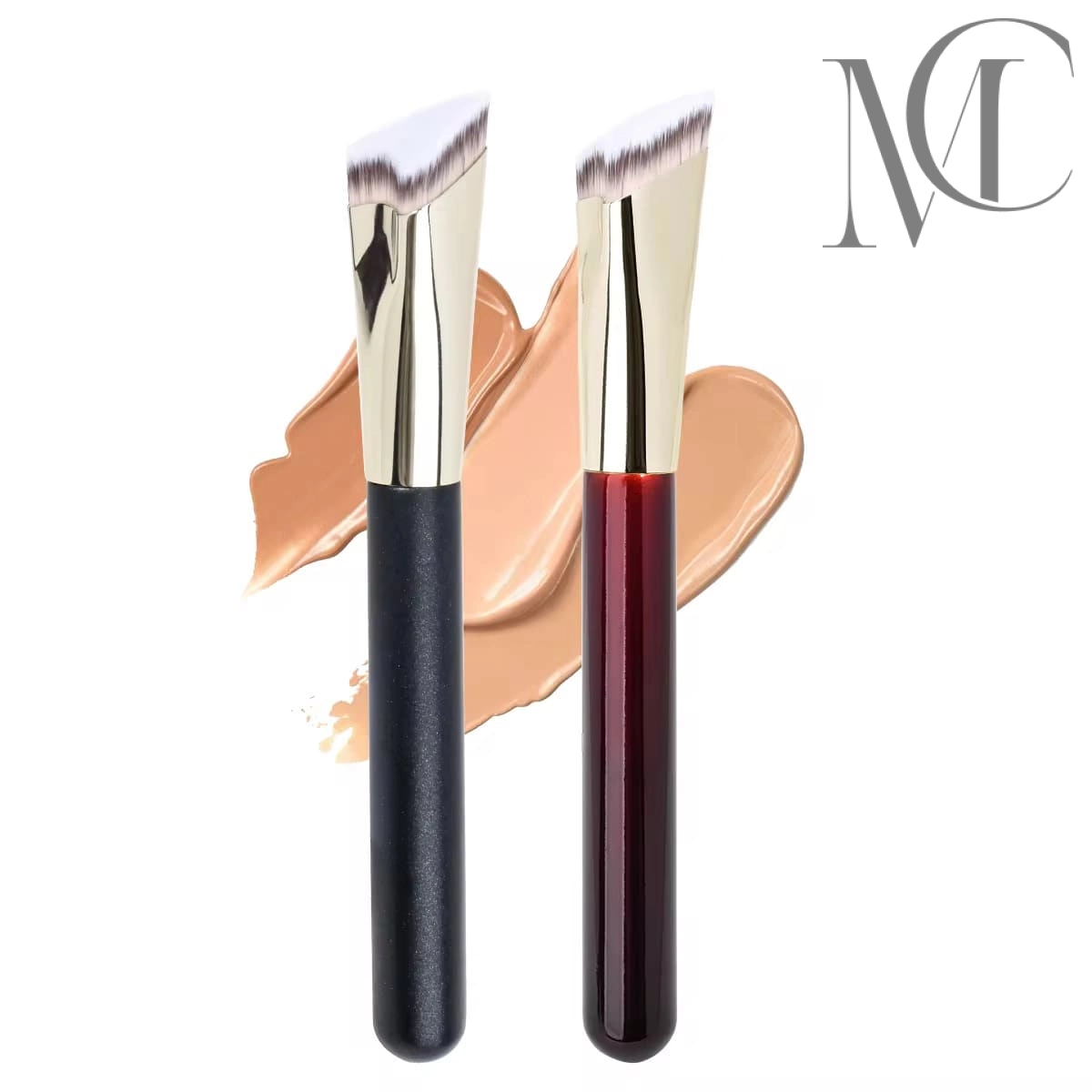
Premium Angle Foundation Brush with Synthetic Hair & Thickened Aluminum Ferrule, Elegant Wooden Handle
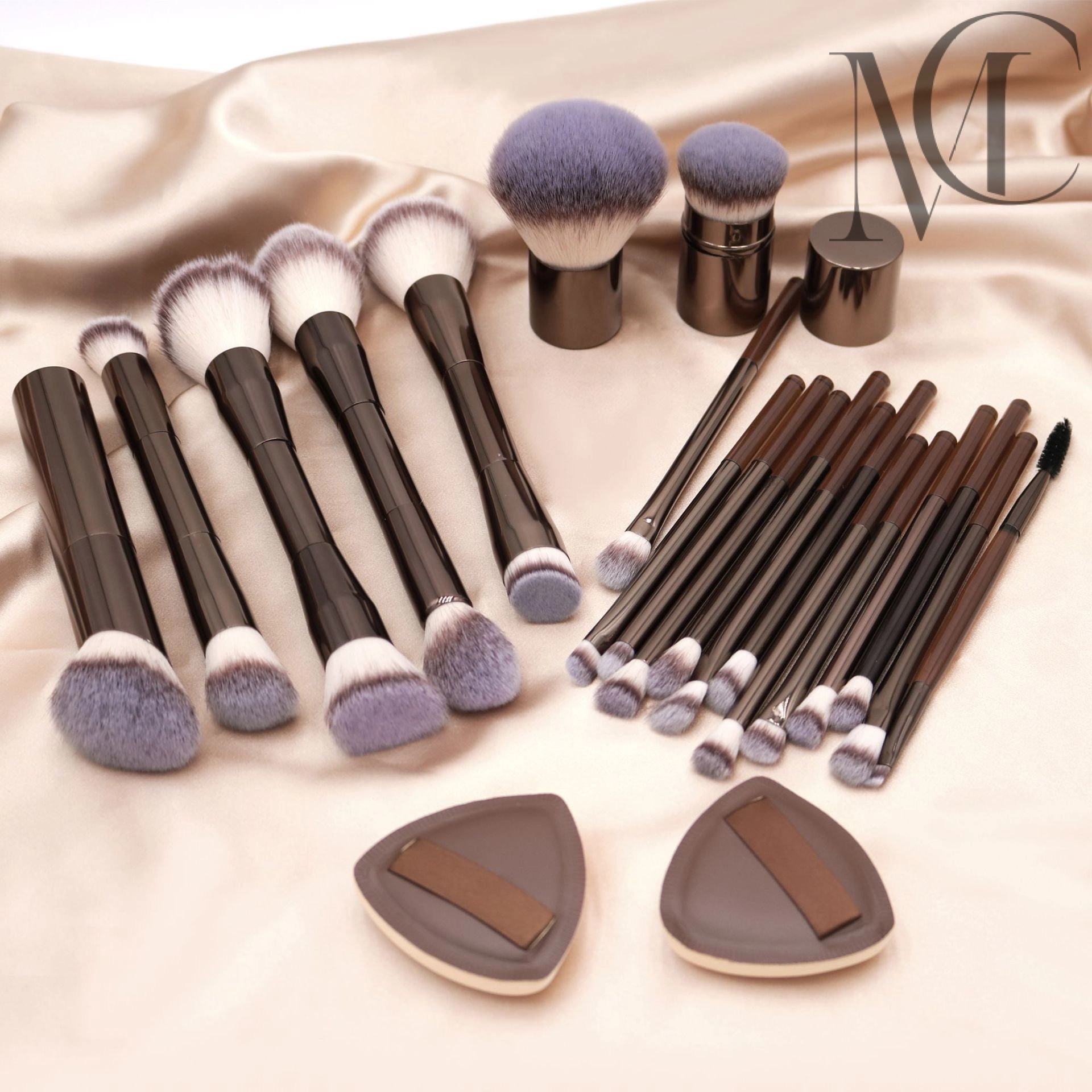
22-Piece Professional Makeup Brush Set| Brown Luxury Series | OEM Private Label Ready | Wholesale Cosmetic Brush Manufacturer
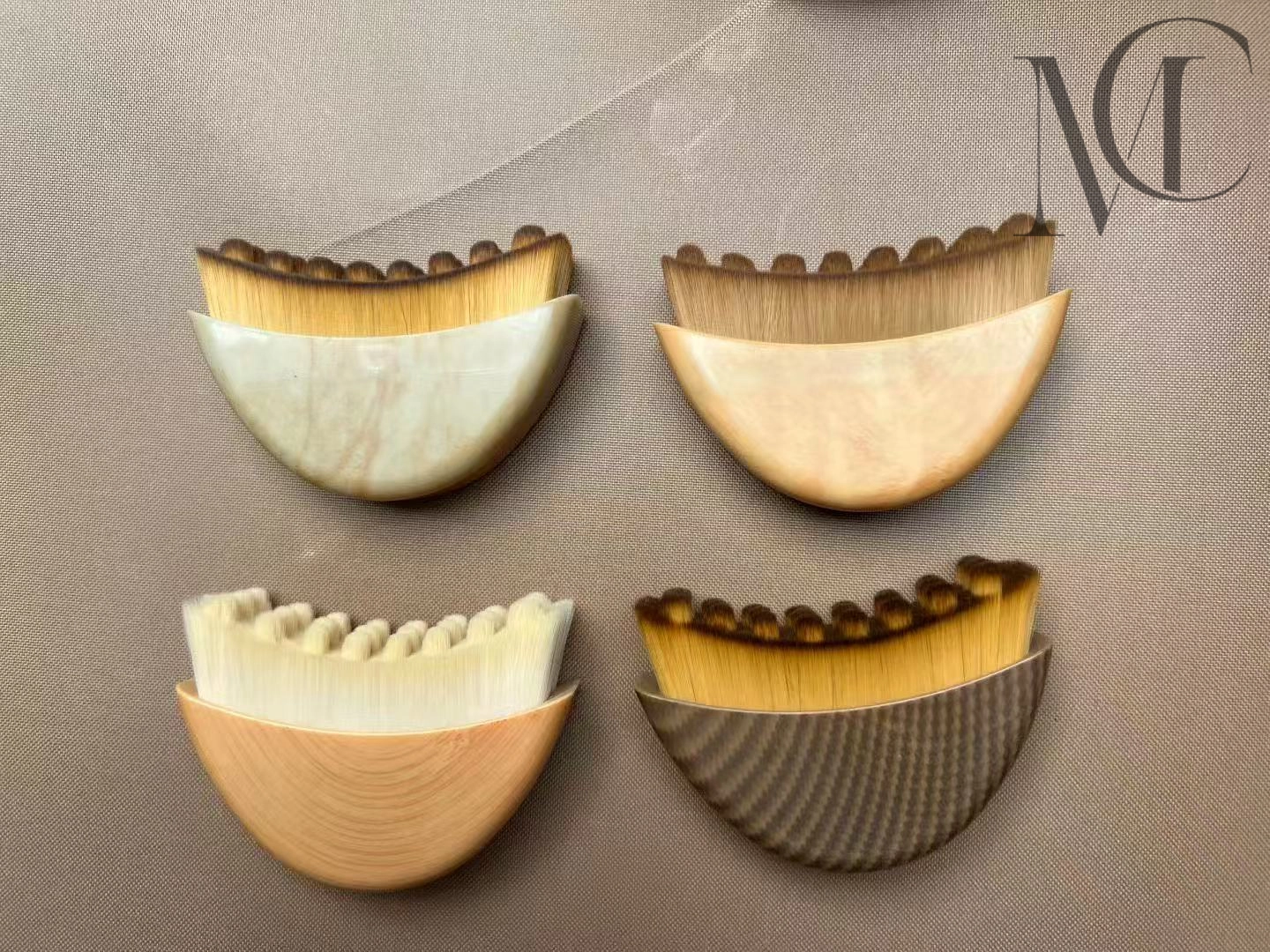
Premium Lymphatic Contour Facial Brush | Popular Makeup Brush Manufacturers
Prdoucts Categories
FAQ
For Company
Do you accept third-party factory audits (e.g., SGS, Intertek)?
Absolutely. We maintain a transparent supply chain and welcome third-party audits to verify our quality management systems and ethical labor practices.
For Customization
How do I pay?
Trade Assurance Order, Western Union, PayPal, T/T, L/C, D/A, MoneyGram.
Do you offer eco-friendly or vegan makeup brushes?
Yes. MECO Brush offers eco-friendly and vegan options, including recycled aluminum ferrules, sustainable wood handles, and cruelty-free synthetic fibers that replicate natural performance.
What materials are used in MECO makeup brushes?
We use a wide variety of high-quality materials, including synthetic fibers (PBT, nylon) and natural hair (such as goat or pony hair) depending on your preference.
Our handles and ferrules are made from durable, eco-friendly materials with customizable finishes to match your brand aesthetics.
Can MECO Brush help with packaging design?
Definitely. We offer custom packaging services — from simple pouches and paper boxes to luxury gift sets. Our design team can help create packaging that enhances your brand presentation and customer experience.
More Insights from an Expert Cosmetic Brush Manufacturer
Dive deeper into the engineering secrets, material guides, and OEM supply chain strategies that help global beauty brands build their next best-sellers.

Hero SKU vs. Full Set: How to Build the Right Product Mix for Your Makeup Brush Brand
A lot of brand owners conflate two separate decisions when thinking about their product line: product structure and sales strategy. Untangling them makes everything clearer.
This guide explores the supply chain and commercial logic behind single hero brushes versus complete brush sets, helping you structure a product mix that maximizes Average Order Value (AOV), minimizes inventory risk, and builds a defensible luxury makeup brushes private label brand.
04/08/2026
Details ››

Skincare Applicators & Spa Brushes: The Next Big OEM Growth Category for Beauty Brands (2026)
The global spa and wellness market is projected to reach $6.6 trillion by 2025.
The professional skincare tools segment is growing at twice the rate of makeup brushes.
Most cosmetic brush brands have not noticed yet.
The ones that have are quietly launching skincare applicator lines that command retail price points 40% to 60% higher than equivalent makeup brushes—with lower competitive saturation and stronger repeat purchase rates.
This is your manufacturing guide to the category before it gets crowded.
04/06/2026
Details ››

Eco-Friendly Makeup Brushes: The Complete OEM Sourcing Guide for Sustainable Beauty Brands (2026)
In 2024, the EU banned over 2,400 chemical substances from cosmetic products. In 2025, major US retailers began requiring sustainability documentation from all new beauty tool suppliers. In 2026, your customer is reading your material list before they read your price.
The question is no longer whether your brush brand needs a sustainability strategy. The question is whether your current manufacturer can actually deliver one.
Sustainability in makeup brushes is no longer a niche positioning play for indie clean beauty brands. It is a baseline sourcing requirement being driven simultaneously by three forces:
→ Retail buyers at Sephora, Target, and major EU chains now require ESG documentation from suppliers
→ EU and US regulations are actively restricting virgin plastics and non-compliant chemical finishes
→ Millennial and Gen Z consumers—now the dominant beauty purchasing demographic—treat sustainability as a non-negotiable brand filter
This guide gives you the practical, technical framework for building a genuinely eco-friendly makeup brush line—covering materials, production standards, certifications, packaging, and what to actually ask your cosmetic brush manufacturer before placing an order.
04/05/2026
Details ››

B2B Sourcing Guide: How to Transition to a New Cosmetic Brush Factory Without Supply Chain Risks
Switching cosmetic brush suppliers without supply chain disruption is possible. Meco's B2B guide covers the 4-step transition roadmap, shedding prevention, and pilot run strategy. MOQ from 500 units. Factory-direct Shenzhen.
03/24/2026
Details ››

Beyond Synthetic: How a Vegan Makeup Brushes Manufacturer Crafts Professional-Grade Tools (2026 Edition)
True vegan brush manufacturing goes beyond synthetic bristles — it requires auditing adhesives, handle coatings, and every hidden component. Meco's complete B2B guide covers materials, certification, and sourcing strategy. Factory-direct from Shenzhen.
03/12/2026
Details ››

The Complete Technical Guide to Eco-Friendly Makeup Brushes (2026 OEM Specification)
Eco-friendly brushes require more than a bamboo handle. Meco's OEM engineering guide covers FSC, PCR, bristle specs, and retail compliance for Sephora, EU & Amazon. MOQ 500 units. Factory-direct Shenzhen.
03/02/2026
Details ››
Request Sample
Request a sample today, and our team will arrange fast delivery, helping you evaluate our materials and craftsmanship.

Contact Information


+86 133 9214 4121

Baolong Subdistrict, Longgang District, Shenzhen City, Guangdong Province, Nanyue, Dalang, North District
Add our WhatsApp
+86 133 9214 4121
Direct factory supplier of premium makeup brushes, offering small to large-scale customization.
Quick Links
• Tel: +86 13392144121
• Add: Baolong Subdistrict, Longgang District, Shenzhen City, Guangdong Province; Nanyue Dalang North District