

info@mecobrush.com
Beyond Synthetic: How a Vegan Makeup Brushes Manufacturer Crafts Professional-Grade Tools (2026 Edition)
2026-03-12
- What Defines a Professional Vegan Makeup Brushes Manufacturer?
- Quick Summary & Key Takeaways
- Beyond the Bristles: Anatomy of a 100% Vegan Brush
- The Step-by-Step Manufacturing Journey
- Expert Tips & Common Mistakes in B2B Brush Sourcing
- The Future of Brush Production: 2026 Trends & Innovations
- Industry Leading Solution: Partnering with a Premium Manufacturer
- Frequently Asked Questions
- Are synthetic makeup brushes as good as natural animal hair?
- What materials are used by a vegan makeup brushes manufacturer?
- Does vegan mean the makeup brush is cruelty-free?
- How do manufacturers ensure makeup brush glue is vegan?
- What is the difference between Taklon and Nylon bristles?
- How long does it take to manufacture a batch of vegan brushes?
- Can professional makeup artists use synthetic vegan brushes?
- How should I clean and maintain factory-grade vegan brushes?
- Conclusion & Call to Action
The beauty industry is undergoing a monumental transformation, and sourcing high-quality private label vegan makeup brushes is no longer just a passing trend—it is a baseline requirement for modern, ethical beauty brands. As global consumer awareness regarding animal welfare and sustainability grows, beauty companies need a highly reliable B2B makeup tools supplier capable of delivering premium tools that rival and surpass traditional animal hair. This comprehensive 2026 guide goes behind the scenes to explore exactly how leading manufacturers engineer 100% cruelty-free, high-performance makeup brushes from the ground up.

What Defines a Professional Vegan Makeup Brushes Manufacturer?
A professional vegan makeup brushes manufacturer is a specialized production facility that designs and engineers cosmetic tools entirely free of animal-derived materials, enforcing a strict 100% cruelty-free supply chain for all secondary components including glues and coatings.
To achieve rigorous ethical standards—such as those verified by organizations like People for the Ethical Treatment of Animals (PETA) and their globally recognized Beauty Without Bunnies program—a manufacturing facility must thoroughly audit its entire workflow.
- Complete Material Audit: The process goes far beyond merely swapping out animal hair for basic synthetic alternatives. It requires deep chemical transparency.
- Cruelty-Free Certification: It mandates that absolutely no animal testing occurs at any stage of the component manufacturing process, from raw fiber extrusion to final packaging.
- Hidden Ingredient Elimination: Manufacturers must guarantee that secondary binding agents, handle paints, and ferrule treatments are ethically sourced and entirely plant-based or synthetic.
Quick Summary & Key Takeaways
The essential takeaways from modern vegan brush manufacturing are that advanced synthetic fibers now outperform natural animal hair, true vegan certification demands auditing hidden adhesives, and balancing automated precision with manual craftsmanship guarantees professional-grade quality for beauty brands.
If you are a beauty brand looking to scale your product line, here are the core points to remember regarding modern brush manufacturing:
- Performance Superiority: Modern synthetic bristles offer superior durability, are naturally hypoallergenic, and do not trap liquid products and bacteria the way porous natural animal hair does.
- Holistic Vegan Standards: True vegan certification requires deep audits of the entire brush anatomy to ensure no animal by-products hide in the glues, epoxies, or wood finishes.
- Manufacturing Balance: The absolute best cosmetic tools are created by combining automated machine precision (for gluing and crimping) with manual artisanal craftsmanship (for fiber shaping and alignment).
- Strategic Partnerships: Partnering with an experienced and certified B2B makeup tools supplier ensures consistent quality control, scalable mass production, and a significantly faster time-to-market.
Beyond the Bristles: Anatomy of a 100% Vegan Brush
The anatomy of a completely vegan makeup brush consists of advanced synthetic bristles, plant-based or synthetic resin adhesives, sustainable handles made from recycled materials, and recyclable metal ferrules that securely bind the components together without any animal by-products.
Understanding the individual components of a brush is crucial for brands investing in premium makeup tools:
- Next-Gen Fibers: The industry has rapidly shifted away from basic Nylon to advanced, micro-textured synthetic PBT brush fibers. According to Wikipedia, Polybutylene Terephthalate (PBT) is a high-performance thermoplastic polymer celebrated for its excellent mechanical strength, stiffness, and heat resistance. These properties allow the extruded bristles to mimic the exact cuticle structure and powder pickup of natural animal hair.
- Vegan Makeup Brush Adhesives: Traditional brush glues frequently contain animal bones, hooves, or hides. A premium manufacturer completely replaces these outdated formulas with high-strength synthetic epoxies or innovative plant-based resins.
- Sustainable Handles: Modern cosmetic handles are meticulously crafted from PCR (Post-Consumer Recycled) plastics, highly renewable bamboo, or FSC-certified wood to fully align with eco-conscious brand values.
- The Ferrule Foundation: To ensure maximum structural durability, snap-resistance, and rust prevention, high-end ferrules utilize easily recyclable aluminum or copper.
 The Step-by-Step Manufacturing Journey
The manufacturing journey of a premium vegan brush involves rigorous raw material sourcing, meticulous weighing and alignment of fibers into custom molds, injecting high-grade vegan epoxy into the ferrule, and finalizing the product with rigorous quality assurance and sterilization.
A seamless blend of technology and hand-craftsmanship defines true cruelty-free cosmetics manufacturing:
- Raw Material Sourcing & Inspection: The process begins with the rigorous testing of synthetic fibers for tensile strength, softness, and hypoallergenic properties.
- Weighing and Alignment: Skilled artisans practice the delicate art of meticulously weighing fibers and manually tapping them into custom dome molds. This creates the perfect brush head shape without ever cutting the soft fiber tips.
- Gluing and Crimping: Factory machines inject high-grade vegan makeup brush adhesives deep into the ferrule. The ferrule is then mechanically machine-crimped to the handle utilizing exact pressure metrics to prevent shedding.
- Finishing & Sterilization: The process concludes with final quality assurance pull-tests, custom logo handle stamping, and hospital-grade UV sterilization before the brushes are placed into sustainable packaging.
Expert Tips & Common Mistakes in B2B Brush Sourcing
Successfully sourcing B2B vegan brushes requires buyers to verify the vegan status of hidden components like adhesives and handle paints, request multi-medium performance samples, avoid the cheapest automated manufacturing tiers, and prioritize suppliers offering custom fiber density options.
Navigating the global manufacturing landscape can be tricky. Keep these expert insights in mind:
- Mistake: Focusing exclusively on the bristles.
- The Fix: Always ask your supplier for strict material safety documentation proving their adhesives and handle paints are 100% vegan. The U.S. Food and Drug Administration (FDA) holds cosmetic companies legally responsible for product safety and labeling accuracy, making it vital to ensure your manufacturing partner uses compliant, safe synthetic components.
- Tip: Always request physical prototypes of brushes and test them with both heavy cream and loose powder formulas. High-quality synthetic fibers should perform flawlessly and blend seamlessly across both mediums.
- Mistake: Opting for the absolute cheapest manufacturing tier available.
- The Fix: Low-cost, fully automated crimping often bypasses essential quality checks, leading to loose ferrules, cracked handles, and severe shedding over time.
- Tip: Prioritize manufacturers that offer deep customization in fiber density. Density ultimately dictates the blending power, firmness, and structural integrity of professional makeup tools.
The Future of Brush Production: 2026 Trends & Innovations
The 2026 trends in brush production feature micro-textured synthetics for improved pigment retention, biodegradable bristles to reduce microplastic shedding, AI-driven quality control for flawless shaping, and hyper-customized 3D-printed ergonomic handles designed to significantly reduce professional makeup artist fatigue.
Forward-thinking brands must stay ahead of these rapidly emerging manufacturing innovations:
- Micro-Textured Synthetics: Breakthrough innovations in fiber extrusion are now creating microscopic waves within synthetic hair, improving loose pigment retention by over 40% compared to last year's standard models.
- Biodegradable Bristles: There is a massive industry push toward fully compostable synthetic fibers that drastically reduce microplastic shedding into global water systems when washed.
- AI-Driven Quality Control: Premium factories are now utilizing automated optical inspection (AOI) powered by AI to detect microscopic flaws in brush shaping and ferrule alignment before the products ever ship to the brand.
- Hyper-Customization: The introduction of 3D-printed, weight-balanced ergonomic handles tailored specifically to reduce wrist fatigue for professional makeup artists working long hours on set.
Industry Leading Solution: Partnering with a Premium Manufacturer
Partnering with an industry-leading manufacturer means selecting a supplier that combines artisanal hand-shaping techniques with advanced automated gluing to guarantee zero-shed performance, providing end-to-end solutions from custom fiber selection and vegan adhesive verification to sustainable private label branding.
Creating a flagship makeup brush line requires a manufacturing partner that profoundly understands both artistry and ethical engineering.
- At Shenzhen Meco Technology Co., Ltd, we have specialized in the makeup tools industry for more than 5 years.
- Our globally recognized brand, meco, provides a comprehensive product range that includes high-performance cosmetic tools, complete Wholesale Makeup Brush Set solutions, and innovative products like our proprietary antimicrobial makeup brush for enhanced hygiene and safety.
- With our own comprehensive material-processing facilities and dedicated finished-product factories, we deliver a true one-stop B2B service—from product design and custom synthetic material development to mass production, eco-packaging, and logo customization.
- Guided by our steadfast philosophy of “Quality First, Service Always,” we allow our partners to achieve highly flexible, fully personalized customization that builds deep consumer trust and scales globally.
Frequently Asked Questions
Understanding the nuances of vegan and synthetic cosmetic tools is crucial for modern beauty brands, and these frequently asked questions address the core differences between natural and synthetic fibers, manufacturing materials, vegan certification processes, and proper maintenance protocols.
Are synthetic makeup brushes as good as natural animal hair?
- Yes, modern advanced synthetic fibers like PBT and Taklon are explicitly engineered to mimic and often surpass the performance of natural hair.
- They provide better long-term durability, are naturally hypoallergenic, and, unlike porous natural hair, they do not trap harmful bacteria, making them much safer for sensitive and acne-prone skin.
What materials are used by a vegan makeup brushes manufacturer?
- Manufacturers utilize premium synthetic fibers (such as Taklon, Nylon, and PBT) for the brush bristles.
- They use highly recyclable aluminum or copper for the structural ferrules, and eco-friendly wood, bamboo, or PCR plastics for the handles.
- Crucially, they exclusively use synthetic or plant-based epoxies instead of traditional animal-derived hide glues.
Does vegan mean the makeup brush is cruelty-free?
- Usually yes, but they are distinct ethical terms. Vegan strictly means no animal ingredients or by-products are used in the brush.
- Cruelty-free means that no animal testing was conducted at any stage of product development. A reputable manufacturer guarantees that both of these rigorous standards are met simultaneously.
How do manufacturers ensure makeup brush glue is vegan?
- Premium manufacturers source specific synthetic or resin-based epoxies and strictly require transparent Material Safety Data Sheets (MSDS) from their chemical suppliers.
- This vital documentation guarantees the adhesive contains zero bone, hide, or other hidden animal by-products.
What is the difference between Taklon and Nylon bristles?
- Nylon is an older, slightly stiffer synthetic fiber that is often used for liquid foundations, sharp eyeliner brushes, or concealers where rigidity is required.
- Taklon is a softer, more porous-like synthetic that closely mimics the microscopic texture of natural hair, making it the ideal fiber for seamless powder application and gentle blending.
How long does it take to manufacture a batch of vegan brushes?
- A standard B2B mass production run typically takes between 30 to 45 days.
- This precise timeline accounts for raw material sourcing, custom mold shaping, critical adhesive curing times, and rigorous multi-stage quality assurance testing.
Can professional makeup artists use synthetic vegan brushes?
- Absolutely. The vast majority of professional makeup artists working today now exclusively use high-end vegan brushes in their kits.
- They provide highly consistent pigment payoff, are significantly easier to aggressively sanitize between clients, and align perfectly with the ethical demands of modern celebrity clients and consumers.
How should I clean and maintain factory-grade vegan brushes?
- Wash them gently with a mild brush cleanser or baby shampoo and warm water at least once a week.
- Always dry them flat on a towel or hanging upside down to prevent water from seeping deeply into the ferrule and prematurely degrading the vegan glue.
Conclusion & Call to Action
Crafting professional-grade vegan makeup brushes requires a delicate balance of innovative synthetic fibers, sustainable materials, and rigorous cruelty-free manufacturing standards, empowering beauty brands to confidently source premium products that deliver flawless application performance without any ethical compromises.
Contact Shenzhen Meco Technology Co., Ltd today at info@mecobrush.com to discuss your specific custom makeup brush needs.
Recommended for you
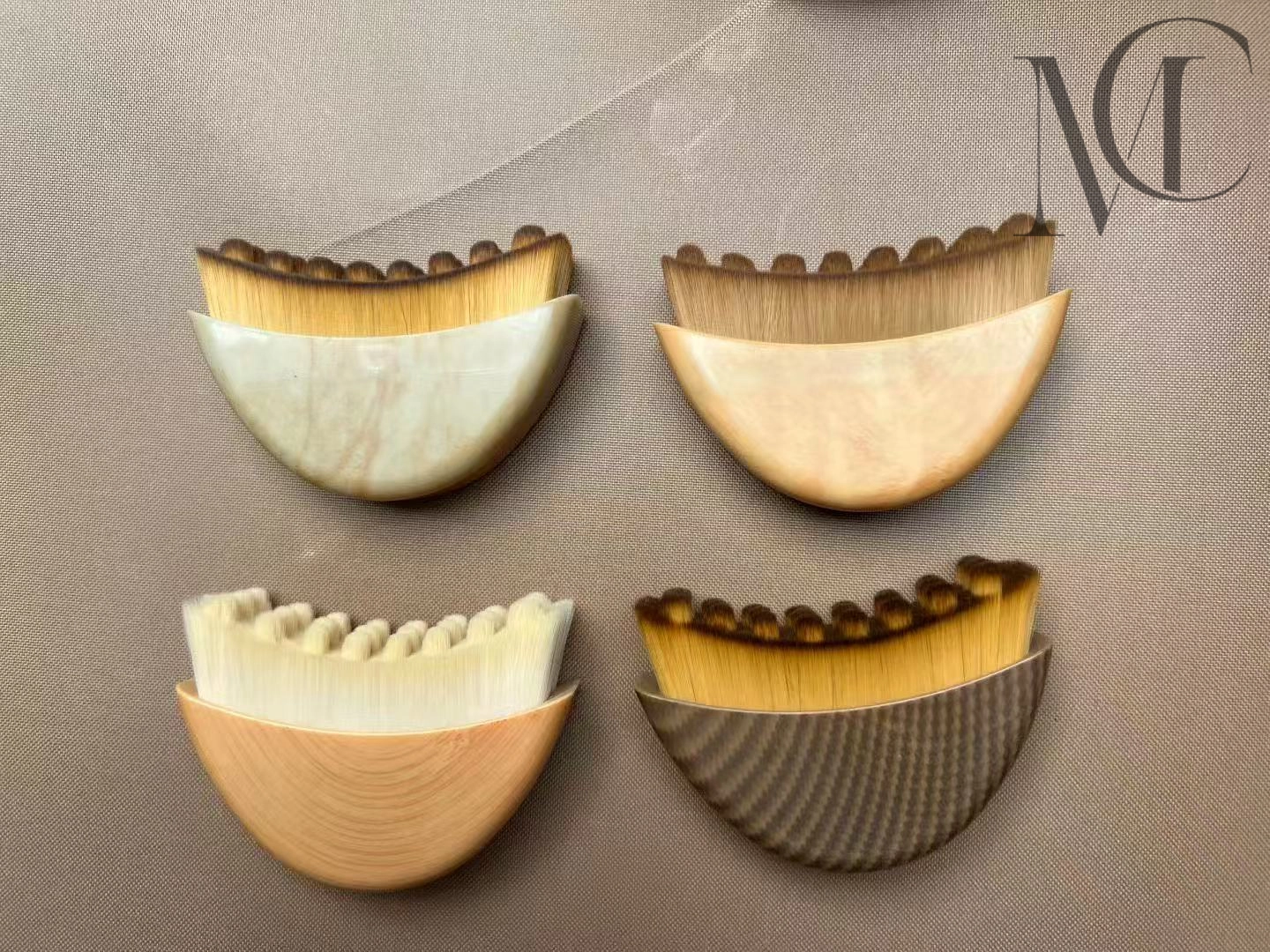
Premium Lymphatic Contour Facial Brush | Popular Makeup Brush Manufacturers
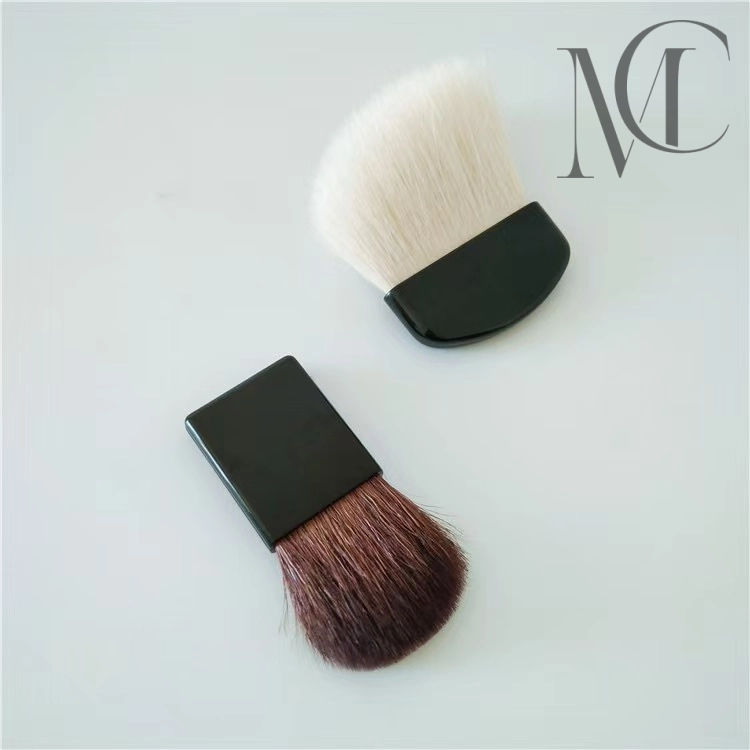
Premium Half-Moon Compact Brushes | Leading Synthetic Powder Brush Manufacturer
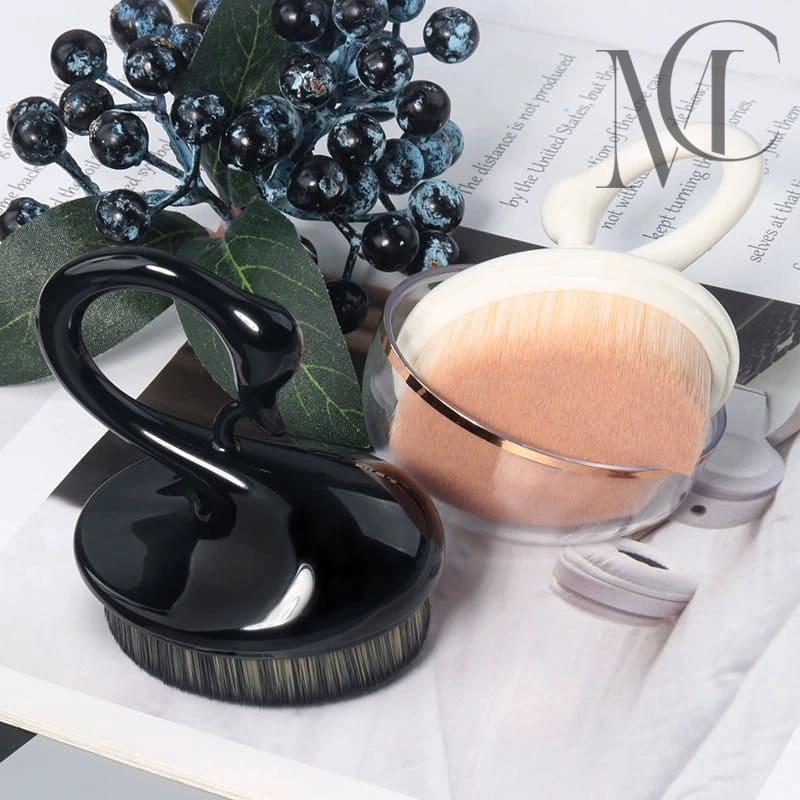
Premium Ergonomic Swan-Neck Body & Face Brush with Hygienic Cap
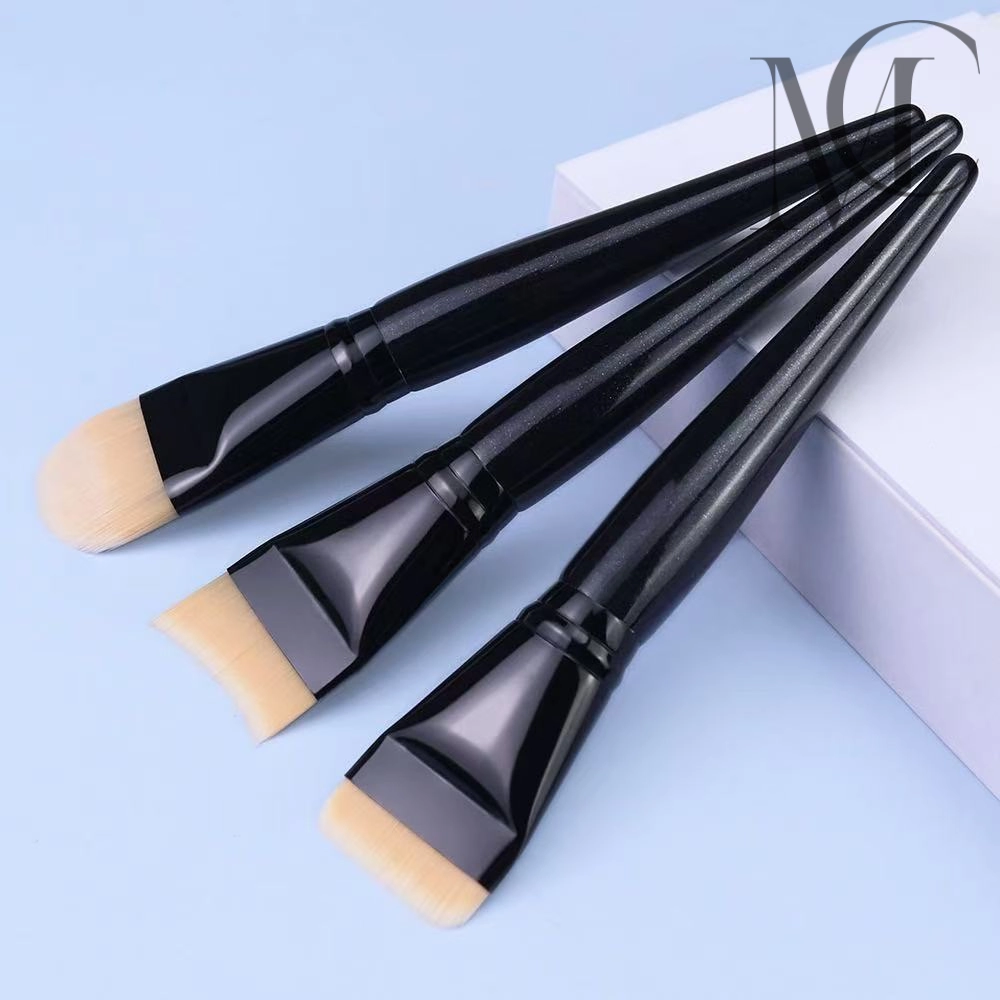
Custom Flat Top Foundation & Face Mask Brush | OEM Cosmetic Brush Manufacturer
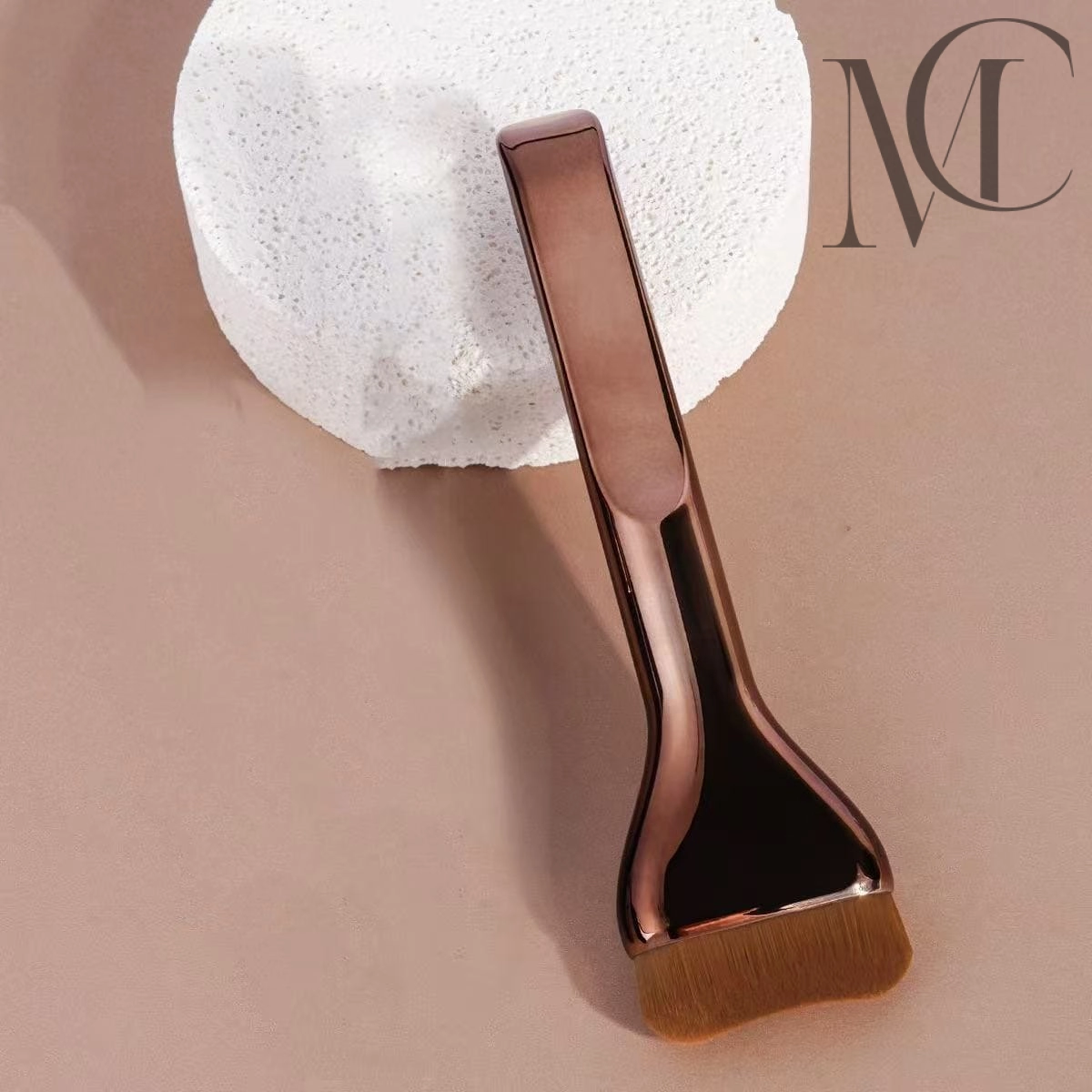
Custom Wave-Shape Contour & Foundation Brush | Ergonomic & Fully Customizable
Prdoucts Categories
FAQ
For Customization
Do you offer eco-friendly or vegan makeup brushes?
Yes. MECO Brush offers eco-friendly and vegan options, including recycled aluminum ferrules, sustainable wood handles, and cruelty-free synthetic fibers that replicate natural performance.
What is your payment and shipping policy?
We accept various payment methods, including T/T and PayPal for samples.
For shipping, we can work with your freight forwarder or arrange international shipping by air, sea, or courier (DHL, FedEx, UPS).
For Company
Are you a factory or a trading company?
We are a professional manufacturing factory, integrating industry and trade.
What services does MECO Brush provide?
MECO Brush is a professional Cosmetic Brush Manufacturer specializing in Custom Makeup Brushes, OEM, and ODM solutions. We offer end-to-end services — from design concept, mold making, and sample development to full-scale production and packaging customization.
Do you accept third-party factory audits (e.g., SGS, Intertek)?
Absolutely. We maintain a transparent supply chain and welcome third-party audits to verify our quality management systems and ethical labor practices.
More Insights from an Expert Cosmetic Brush Manufacturer
Dive deeper into the engineering secrets, material guides, and OEM supply chain strategies that help global beauty brands build their next best-sellers.

Popular Makeup Brushes: The Complete Guide from a Cosmetic Brush Manufacturer
Discover the secrets behind the beauty industry's best-selling tools. As a professional cosmetic brush manufacturer, we break down the design innovations, material choices, and manufacturing strategies that make popular makeup brushes go viral. Read our complete guide to learn how to engineer your brand's next highly profitable hero product.
02/23/2026
Details ››

Ferrule Failure Can Ruin Everything: Aluminum vs. Brass Deep Dive from a Professional Cosmetic Brush Manufacturer
Why do luxury makeup brushes survive years of professional use, while others fall apart in weeks? The secret rarely lies in the bristles or the handle. It hides in the middle: the ferrule. This small metal sleeve is the structural backbone of your beauty tools. Choose the wrong material, and even the softest synthetic fibers won't save your product from shedding, cracking, or catastrophic failure.
In this expert guide, a seasoned cosmetic brush manufacturer pulls back the curtain on the "invisible craftsmanship" of brush making. We break down the engineering reality of Aluminum vs. Brass makeup brush ferrules, helping beauty brands make bulletproof manufacturing decisions that protect their reputation and bottom line.
02/21/2026
Details ››

Kolinsky vs Synthetic Nail Brushes: Precision, Snap & Acetone Resistance Explained
Is your nail brush "snapping" back, or just snapping under pressure?
In the precision-driven world of nail artistry, the difference between a loyal customer and a product return often hangs by a single bristle. With the 2026 market demanding ultra-fine liners and intricate 3D sculpting, the debate between Kolinsky (Natural) and Synthetic fibers has never been more critical.
But material is only half the story. As a veteran cosmetic brush manufacturer applying engineering precision to nail tools, we are pulling back the curtain on the "invisible craftsmanship."
In this guide, we dive deep into the science of acetone resistance, the art of double-crimp ferrules, and how to choose the perfect tool for Acrylic versus Gel systems. Whether you are a private label brand or a salon supplier, this is your blueprint for building a high-performance nail brush collection that lasts.
02/12/2026
Details ››

2026 Ultimate Guide to Custom Makeup Brushes: A Deep Dive from Bristle Science to Handle Craftsmanship
Discover meco’s 2026 Guide to Custom Makeup Brushes, exploring bristle science and handle craftsmanship. As a leading makeup brush company, we deliver expert insights to help you choose quality, durable brushes tailored to your beauty needs.
02/05/2026
Details ››

Understanding MOQs in Makeup Brush Manufacturing: Why Custom Molds Cost More (But Are Worth the Investment)
Discover why MOQs matter in makeup brush manufacturing and how investing in custom molds enhances quality. Meco, a trusted custom makeup brushes manufacturer, explains the cost factors and benefits, helping meco stand out with superior, tailor-made tools.
02/04/2026
Details ››

Men's Grooming 2.0: Why Your Brand Needs a Mens Makeup Brush Series (Beyond Just Beards)
Men's grooming has evolved beyond beards to "invisible correction." In this guide, we explore why male consumers reject feminine tools and how brands can capture this market by launching a specialized men's makeup brush series designed with tool-inspired ergonomics and reinforced fibers.
01/28/2026
Details ››
Contact us
Tell us your needs—we’ll create the perfect custom makeup brushes for your brand.

Contact Information


+86 18768106014

Baolong Subdistrict, Longgang District, Shenzhen City, Guangdong Province Nanyue Dalang North District
Add our WhatsApp
+86 133 9214 4121
Communicate efficiently and learn more
Direct factory supplier of premium makeup brushes, offering small to large-scale customization.
Quick Links
• Tel: +86 13392144121
• Add: Baolong Subdistrict, Longgang District, Shenzhen City, Guangdong Province Nanyue Dalang North District