


info@mecobrush.com
Eco-Friendly Makeup Brushes: The Complete OEM Sourcing Guide for Sustainable Beauty Brands (2026)
2026-04-05
- What Makes a Makeup Brush Truly Eco-Friendly?
- Stage 1 — Responsible Sourcing
- Stage 2 — Low-Impact Production
- Stage 3 — Durability & End-of-Life Design
- Eco-Friendly Handle Materials — OEM Options Compared
- FSC-Certified Wood — The Clean Beauty Standard
- Bamboo — Fast-Growing, Low-Impact, High Appeal
- Bio-Resin & PLA — The Compostable Frontier
- PCR Recycled Plastic — Circular Economy Credentials
- Sustainable Bristle Technology — Vegan, Recyclable & Antimicrobial Options
- High-Performance Vegan Synthetic Fibers
- Bio-Based & Recyclable Fibers
- Antimicrobial Enhancement — Sustainability Through Longevity
- Ferrules & Adhesives — The Hidden Sustainability Factors
- Eco-Friendly Ferrule Options
- Sustainable Adhesives
- Sustainable Production—What to Ask Your Manufacturer
- Energy & Emissions
- Waste Reduction
- Chemical Safety
- Eco-Friendly Packaging for Makeup Brushes
- Sustainable Packaging Options
- Packaging Certifications to Request
- The Business Case — Why Brands Are Making the Switch Now
- Retail Compliance Is Becoming Mandatory
- ESG Documentation Is Now an Investor Requirement
- Premium Pricing Is Justified and Accepted
- Regulatory Risk Mitigation
- How Meco Builds Eco-Friendly Brushes — From Material to Delivery
- Sustainable Material Customization
- Verified Certifications & Documentation
- Sustainable Packaging & Logistics
- Production Transparency
- Frequently Asked Questions
- Ready to Build Your Eco-Friendly Brush Line?
In 2024, the EU banned over 2,400 chemical substances from cosmetic products. In 2025, major US retailers began requiring sustainability documentation from all new beauty tool suppliers. In 2026, your customer is reading your material list before they read your price.
The question is no longer whether your brush brand needs a sustainability strategy. The question is whether your current manufacturer can actually deliver one.
Sustainability in makeup brushes is no longer a niche positioning play for indie clean beauty brands. It is a baseline sourcing requirement being driven simultaneously by three forces:
→ Retail buyers at Sephora, Target, and major EU chains now require ESG documentation from suppliers
→ EU and US regulations are actively restricting virgin plastics and non-compliant chemical finishes
→ Millennial and Gen Z consumers—now the dominant beauty purchasing demographic—treat sustainability as a non-negotiable brand filter
This guide gives you the practical, technical framework for building a genuinely eco-friendly makeup brush line—covering materials, production standards, certifications, packaging, and what to actually ask your OEM manufacturer before placing an order.
What Makes a Makeup Brush Truly Eco-Friendly?
Sustainability is not a single feature or a marketing claim. It is a full-lifecycle commitment—from raw material sourcing through production, consumer use, and end-of-life disposal.
A brush that uses bamboo handles but ships in excessive plastic packaging is not a sustainable product.
A brush that uses recycled fibers but requires toxic adhesives in assembly is not a sustainable product.
Genuine eco-friendly brush manufacturing requires excellence across three stages:
Stage 1 — Responsible Sourcing
Materials must be either recycled (PCR plastics, reclaimed metals, or rPET) or renewable (bamboo, FSC-certified wood, or bio-resins)—with documented chain-of-custody certification available for retail compliance purposes.
Stage 2 — Low-Impact Production
Sustainable manufacturing standards include the following:
→ Energy-efficient machinery and LED facility lighting
→ Low-VOC or water-based handle finishes
→ CNC precision cutting to minimize material waste
→ Closed-loop water systems in fiber processing
→ ISO 14001 environmental management certification
Stage 3 — Durability & End-of-Life Design
The most sustainable brush is one that lasts. A high-quality brush used for three years generates a fraction of the waste of three cheap brushes replaced annually. Beyond durability:
→ Mono-material designs enable consumer recycling
→ Biodegradable PLA components decompose under industrial composting conditions.
→ Refillable brush head systems eliminate full-product replacement waste
Eco-Friendly Handle Materials — OEM Options Compared
The handle represents the largest opportunity for sustainable innovation in brush design — and the widest range of material choices available to OEM brands.
| Material | Sustainability | Cost Tier | Best Brand Positioning | Key Certification |
|---|---|---|---|---|
| FSC-Certified Wood | ⭐⭐⭐⭐⭐ | Mid | Natural / Premium / Clean Beauty | FSC |
| Bamboo | ⭐⭐⭐⭐⭐ | Low–Mid | Eco / Asian Markets / Minimalist | FSC Optional |
| Bio-Resin / PLA | ⭐⭐⭐⭐ | Mid–High | Compostable / Forward-Thinking Brands | TÜV / DIN CERTCO |
| PCR Recycled Plastic | ⭐⭐⭐⭐ | Low–Mid | Circular Economy / Mass-Premium | GRS |
| Recycled ABS | ⭐⭐⭐ | Low | Entry-Level Eco / Promotional | GRS Optional |
| Recycled Metal | ⭐⭐⭐⭐ | Mid | Lightweight Luxury / Professional | GRS Optional |
FSC-Certified Wood — The Clean Beauty Standard
FSC certification guarantees that every piece of timber used in your brush handle comes from responsibly managed forests—with full chain-of-custody documentation available for retail compliance.
Water-based lacquers minimize VOC emissions during finishing, and the natural grain of FSC wood creates a premium aesthetic that resonates strongly with clean beauty and luxury market positioning.
In our Shenzhen facility, over 60% of wooden handle orders now specify FSC-certified timber—up from less than 20% three years ago. The shift is being driven almost entirely by European and US retail buyer compliance requirements.
Bamboo — Fast-Growing, Low-Impact, High Appeal
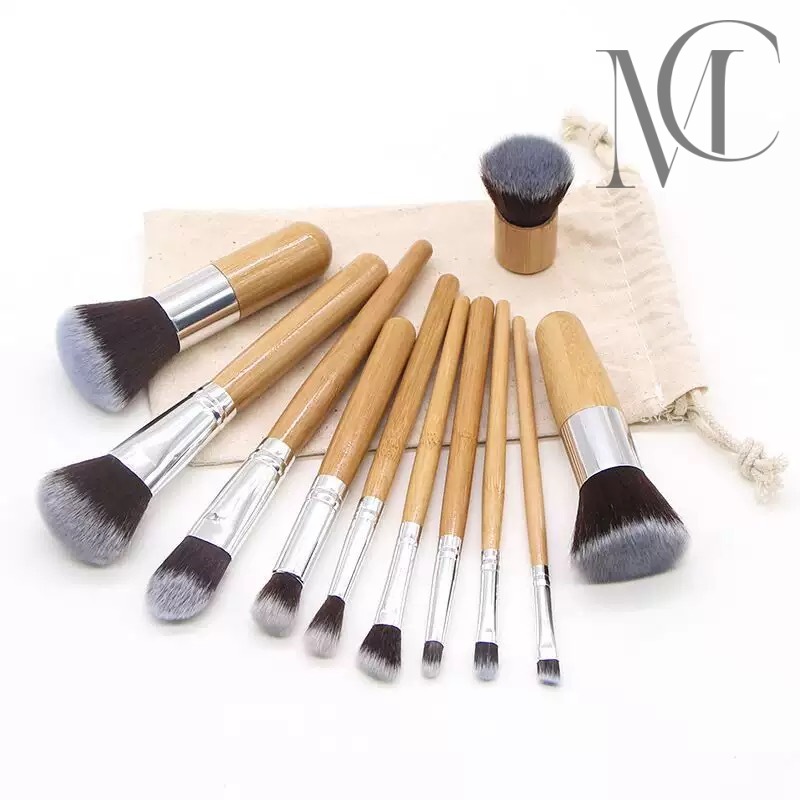
Bamboo is one of the fastest-growing plants on earth, requiring no pesticides and minimal water. As a brush handle material, it is lightweight, naturally antimicrobial, and carries strong visual appeal in Asian, European, and US eco-conscious markets.
For brands targeting "natural" or "minimalist" positioning, bamboo offers a handle story that resonates immediately with sustainability-aware consumers.
Bio-Resin & PLA — The Compostable Frontier
Made from cornstarch, sugarcane, or cellulose, PLA biopolymer handles are compostable under industrial conditions—offering brands a genuinely end-of-life sustainable story that wood and bamboo cannot match.
The trade-off is cost and moisture sensitivity. PLA handles require careful packaging design to prevent degradation in humid environments — a detail your OEM manufacturer must engineer into the product specification from day one.
PCR Recycled Plastic — Circular Economy Credentials
Post-consumer recycled (PCR) plastic transforms waste into product—reducing reliance on virgin petroleum-based materials while maintaining the durability and finish quality of standard plastic handles.
PCR handles are particularly valued by brands targeting Sephora, Target, and major EU retailers who actively audit supplier sustainability credentials. GRS (Global Recycled Standard) certification provides the documentation these retailers require.
Sustainable Bristle Technology — Vegan, Recyclable & Antimicrobial Options
Modern bristle innovation has fundamentally changed the sustainability calculus for makeup brushes. The performance gap between synthetic vegan fibers and natural animal hair has closed — and in several application categories, synthetic now outperforms natural.
High-Performance Vegan Synthetic Fibers
100% cruelty-free and animal-free premium synthetic fibers—PBT and advanced nanofibers—replicate the cuticle structure of natural hair for equivalent powder pickup and blending performance.
Additional sustainability advantages:
→ Longer lifespan than natural hair under regular washing
→ Easier to clean — requires less water and cleanser per use
→ Compatible with all formula types — liquid, cream, and powder
→ No ethical supply chain risk associated with natural hair sourcing
Bio-Based & Recyclable Fibers
Emerging fiber technologies made from castor oil, tree pulp, and high-grade PBT blends offer brands a bristle story that extends sustainability from handle to brush head. These fibers can be tailored to specific softness, density, and powder pickup requirements—making them viable for both face and eye brush applications.
Antimicrobial Enhancement — Sustainability Through Longevity
Silver-ion antimicrobial technology integrated directly into synthetic fibers extends brush lifespan by preventing bacterial growth that degrades fiber structure over time.
A brush that lasts twice as long generates half the waste. For brands making sustainability claims, antimicrobial fibers provide both a hygiene marketing angle and a genuine environmental benefit—backed by ISO 22196 test documentation.
Ferrules & Adhesives — The Hidden Sustainability Factors
Most brands focus sustainability efforts on handles and bristles — and overlook the ferrule and adhesive, which together determine both structural longevity and end-of-life recyclability.
Eco-Friendly Ferrule Options
· Recycled Aluminum: The most sustainable metal ferrule option. Aluminum is infinitely recyclable without quality degradation — and recycled aluminum production requires 95% less energy than virgin aluminum processing. Lightweight, rust-resistant, and compatible with anodized color finishes.
· Recycled Plastic Ferrules: Enable true mono-material brush design when paired with plastic handles—allowing the entire brush to be recycled in a single waste stream. Critical for brands pursuing plastic-free or fully recyclable product claims.
Learn more about ferrule engineering in our guide: [Aluminum vs Brass Ferrules: Why This Component Determines Your Success]
Sustainable Adhesives
Water-based epoxy systems reduce VOC emissions during production and are safer for workers and end consumers. Combined with mechanical double-crimping—which reduces adhesive reliance by creating a physical lock between ferrule and handle—this approach improves both sustainability and structural durability simultaneously.
A responsible OEM manufacturer implements both water-based adhesives and mechanical crimping as standard — not as an optional upgrade.
Sustainable Production—What to Ask Your Manufacturer
Material selection alone does not make a brush sustainable. The production process determines the true environmental footprint of your product — and most brands never ask the right questions before signing an OEM contract.
Here is what to verify with any manufacturer before committing to production:
Energy & Emissions
→ Does the facility use energy-efficient machinery and LED lighting throughout production?
→ Is there any renewable energy integration (solar panels, green energy procurement)?
→ What is the facility's ISO 14001 environmental management status?
Waste Reduction
→ Does the manufacturer use CNC precision cutting for wooden handles—minimizing material waste? In Meco's facility, CNC precision cutting reduces wood material waste by approximately 23% compared to traditional manual trimming — a figure we track and report to clients upon request.
→ Are closed-loop water systems used in fiber processing to minimize water consumption?
→ What percentage of production waste is recycled or repurposed?
Chemical Safety
→ Are all handle finishes low-VOC or water-based?
→ Are adhesives free from solvents that degrade under alcohol-based brush cleaners?
→ Can the manufacturer provide MSDS documentation for all chemical inputs?
A manufacturer who cannot answer these questions with specific data — not just assurances — is not a genuine sustainable production partner.
Eco-Friendly Packaging for Makeup Brushes
Packaging is the first physical signal your sustainability commitment sends to the consumer — and increasingly, the first thing retail buyers audit in supplier documentation.
Sustainable Packaging Options
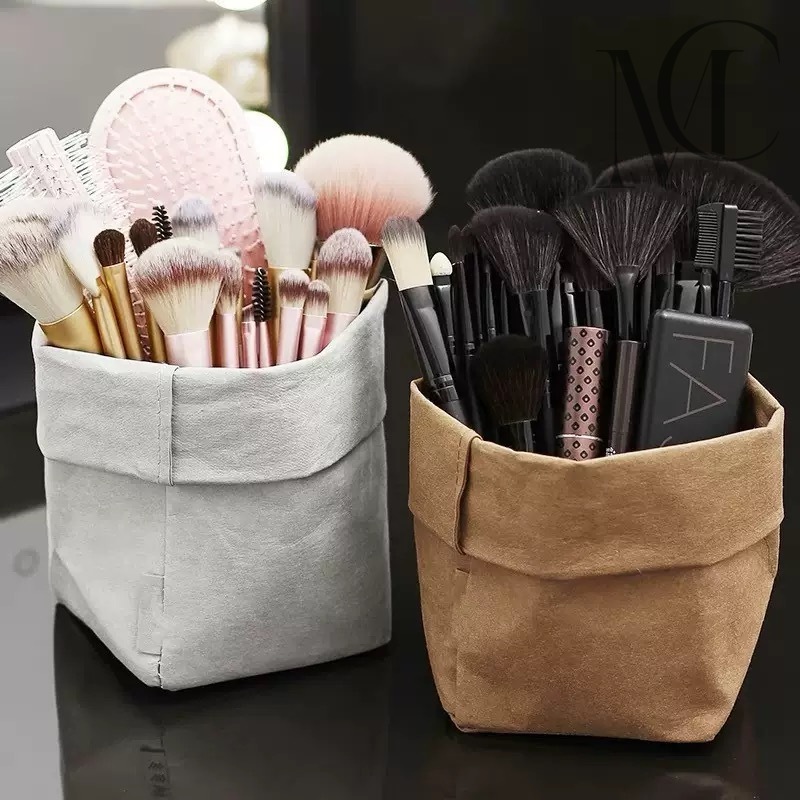
📦 FSC Paper + Soy-Based Ink Fully recyclable retail boxes with certified sustainable paper stock and soy ink printing — the baseline standard for eco-conscious packaging.
🌿 Plastic-Free Alternatives Glassine paper sleeves, kraft paper wraps, and cardboard inner trays eliminate plastic from the packaging entirely — a requirement for brands targeting plastic-free retail channels.
👜 Reusable Pouches & Cases PU vegan leather rolls, organic cotton pouches, and canvas zip cases extend the product's useful life beyond the brush itself — reducing total waste per customer.
📐 Minimalist Shipping Design Optimized box dimensions that eliminate empty space reduce both material use and freight cost — a sustainability and margin improvement in one decision.
Packaging Certifications to Request
→ FSC certification for all paper components
→ Soy-ink or water-based ink documentation
→ GRS certification for any recycled content
→ Plastic-free compliance statement for retail buyer documentation
The Business Case — Why Brands Are Making the Switch Now
Sustainability is not just an ethical commitment. It is an increasingly powerful commercial advantage.
Retail Compliance Is Becoming Mandatory
Major retailers including Sephora, Target, Ulta, and leading EU department store chains have introduced supplier sustainability scorecards that directly influence shelf placement decisions. Brands without documented eco-credentials are being deprioritized in buyer meetings — regardless of product quality or price.
ESG Documentation Is Now an Investor Requirement
For brands seeking retail investment, private equity funding, or acquisition, ESG compliance has moved from "nice to have" to "deal requirement." Sustainable supply chain documentation — including manufacturer certifications and material traceability — is now standard due diligence in beauty industry transactions.
Premium Pricing Is Justified and Accepted
Eco-friendly positioning consistently supports higher retail price points. Consumers who prioritize sustainability demonstrate significantly higher brand loyalty and lower price sensitivity than the general market — making sustainable brush lines not just better for the planet, but better for margins.
Regulatory Risk Mitigation
EU plastic restrictions, US chemical bans, and global packaging regulations are tightening on a predictable trajectory. Brands that build sustainable supply chains now avoid costly product reformulations, packaging redesigns, and compliance delays later.
How Meco Builds Eco-Friendly Brushes — From Material to Delivery
As a vertically integrated cosmetic brush manufacturer in Shenzhen, Meco integrates sustainability at every stage of production — not as a product line extension, but as a standard manufacturing capability available to every OEM and private label client.
Sustainable Material Customization
✅ Handle: FSC-certified wood, FSC bamboo, PCR recycled plastic, bio-resin/PLA, recycled aluminum — all with full chain-of-custody documentation
✅ Bristles: 100% vegan synthetic nanofibers, PBT, bio-based fibers, and antimicrobial silver-ion integration — ISO 22196 test reports available
✅ Ferrules: Recycled aluminum and recycled plastic options — enabling mono-material brush design for fully recyclable end products
✅ Adhesives: Water-based epoxy systems throughout — combined with mechanical double-crimping to minimize adhesive reliance and maximize structural durability
Verified Certifications & Documentation
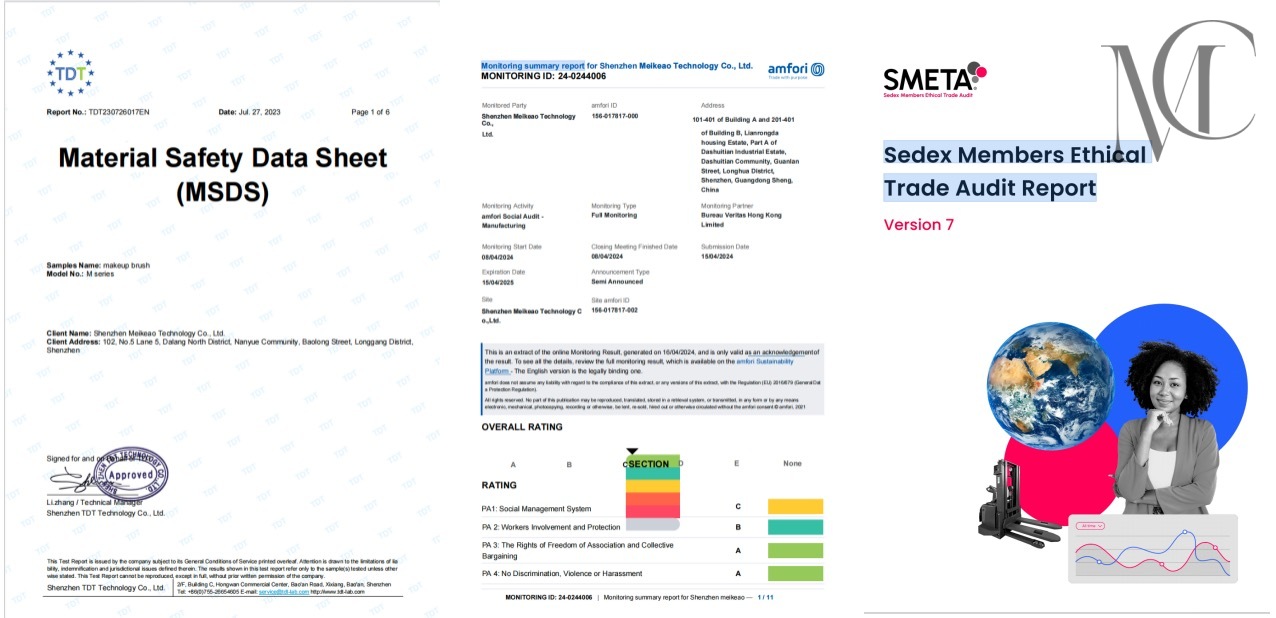
Every Meco eco-friendly project includes full documentation for retail compliance:
→ FSC chain-of-custody certificates for wood and bamboo components
→ GRS certification for recycled content
→ ISO 14001 environmental management
→ BSCI social compliance audit
→ SGS, Vegan, Cruelty-Free certification
→ MSDS documentation for all chemical inputs
→ ISO 22196 antimicrobial test reports (where applicable)
Sustainable Packaging & Logistics
→ FSC paper + soy ink retail boxes
→ Plastic-free inner packaging options
→ Optimized shipping carton dimensions to minimize freight carbon output
→ Private label ready — barcode, eco-certification logos, and sustainability copy included
Production Transparency
→ CNC precision cutting reduces wood waste by ~23% vs manual methods
→ Water-based finishes across all wooden handle production lines
→ Closed-loop water systems in fiber processing
→ Batch QC reports and production documentation provided to every client
MOQ from 500 units | Sample in 7–10 days | Bulk delivery in 25–35 days Trusted by 8,000+ brands across 50+ countries
Frequently Asked Questions
Q: Does switching to eco-friendly materials significantly increase my per-unit cost?
A: It depends on the material. FSC-certified wood and bamboo add minimal cost premium — typically 5–15% over standard handles. PCR recycled plastic can be cost-neutral or even slightly cheaper at volume. Bio-resin and PLA carry a higher premium but are offset by the retail price point they support. We recommend discussing your target retail price with our team — we will recommend the sustainable option that best fits your margin structure.
Q: Can I get certification documentation for retail buyers?
A: Yes. Meco provides full certification documentation for all sustainable materials — including FSC chain-of-custody, GRS for recycled content, ISO 14001, BSCI, SGS, and cruelty-free certificates. These are provided as standard on every eco-focused OEM project.
Q: What is the MOQ for eco-friendly brush lines?
A: MOQ starts from 500 units per style — the same as our standard brush production. Sustainable materials do not require higher minimum orders at Meco. For fully custom sustainable designs (new molds, proprietary bio-resin formulations), contact our team for a project-specific brief.
Q: How do I verify that "eco-friendly" claims are genuine and not greenwashing?
A: Ask for documentation, not descriptions. A genuine sustainable manufacturer provides FSC certificates, GRS certificates, ISO 14001 registration, and MSDS sheets for every chemical input. If a supplier describes themselves as eco-friendly without offering these documents on request, treat it as greenwashing until proven otherwise. Meco provides all documentation before bulk production begins — not after.
Ready to Build Your Eco-Friendly Brush Line?
Sustainability compliance, retail documentation, and premium material customization — all from a single vertically integrated manufacturer in Shenzhen.
Request Meco's Eco Material Sample Kit — physically compare FSC wood, bamboo, PCR plastic, and bio-resin handle options side-by-side, with full certification documentation included.
Our team responds to all sustainable OEM inquiries within 24 hours.
📧 info@mecobrush.com
💬 WhatsApp: +86 133 9214 4121
Recommended for you
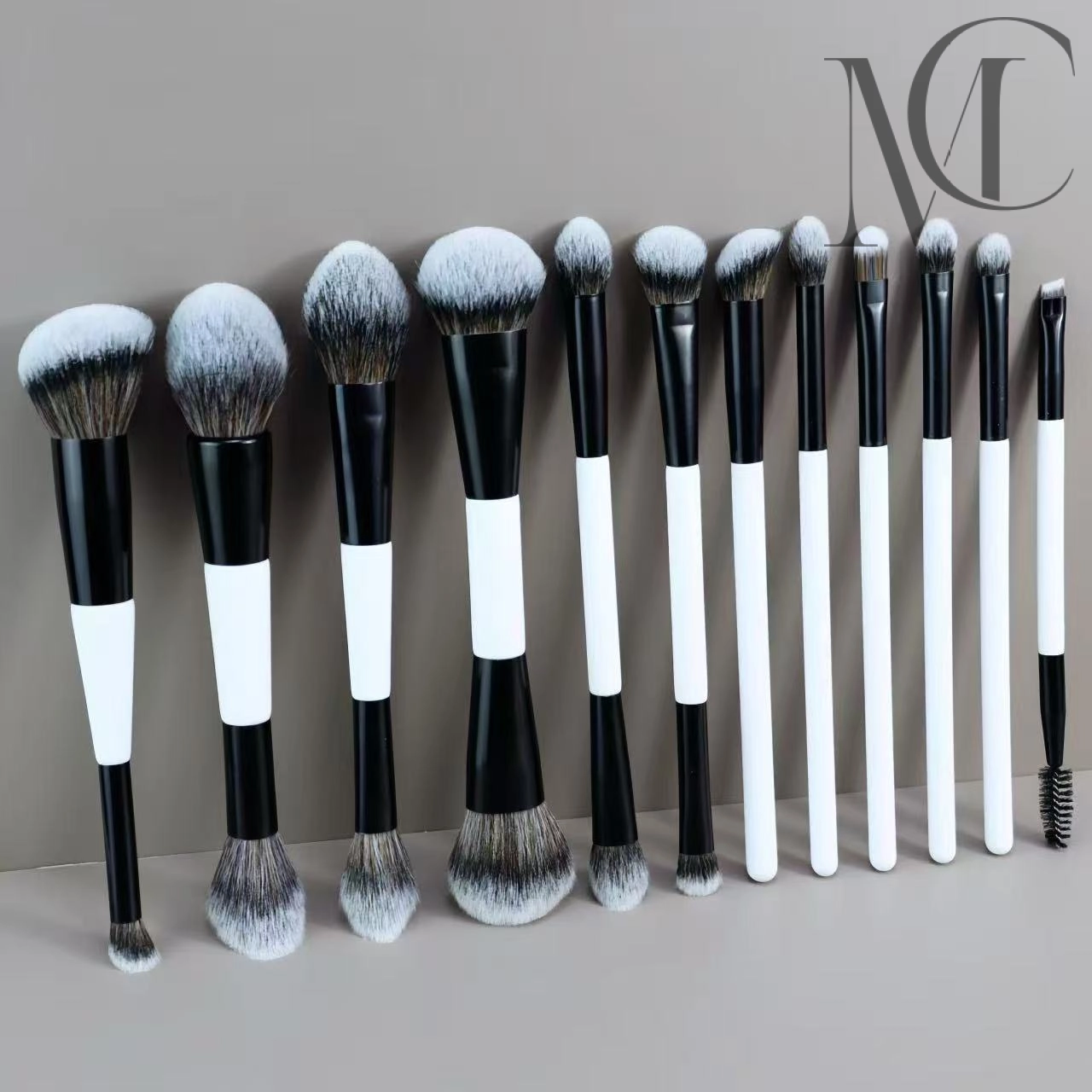
Private Label 12-Piece / 19-Head Dual-Ended Pro Makeup Brush Set | OEM Customization
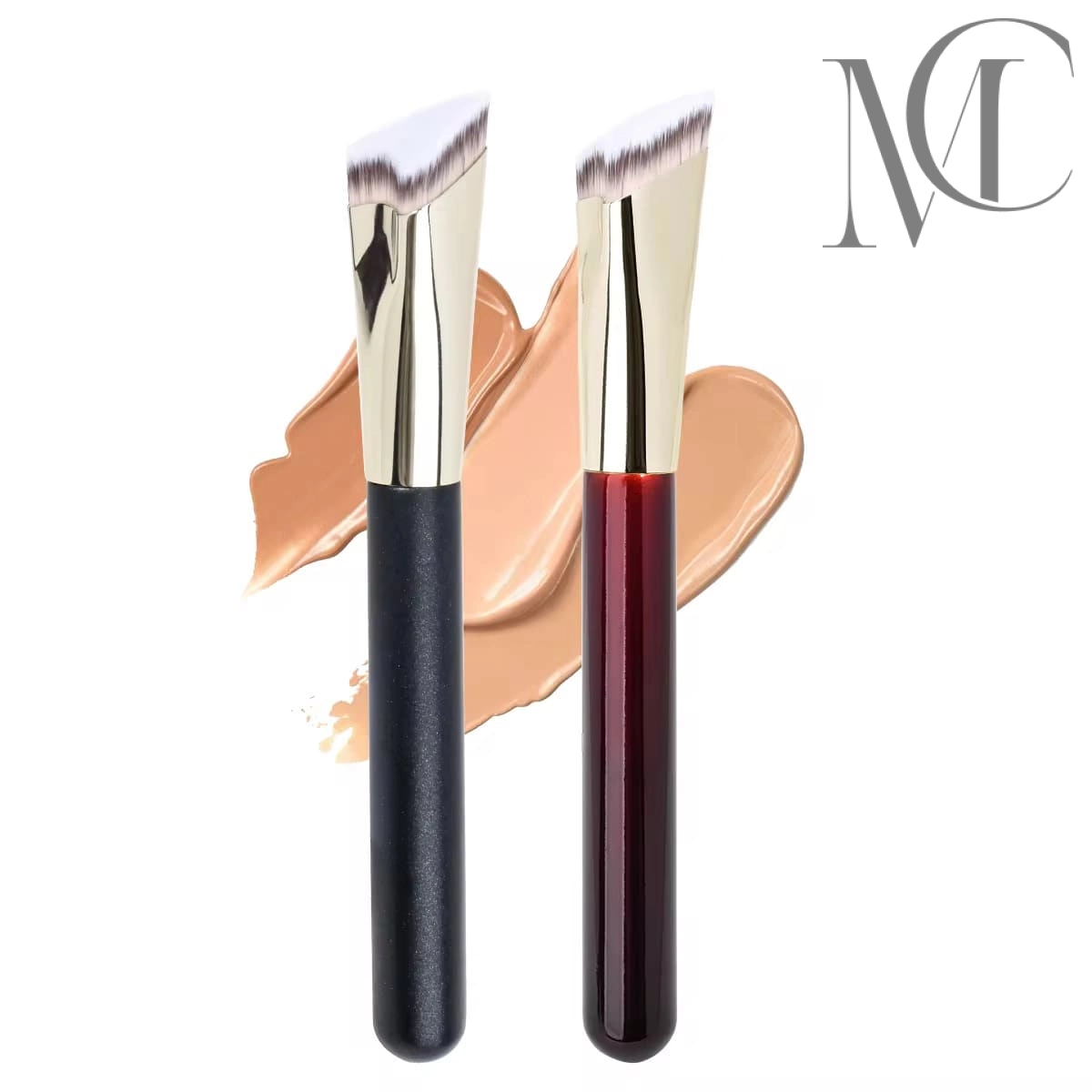
Premium Angle Foundation Brush with Synthetic Hair & Thickened Aluminum Ferrule, Elegant Wooden Handle
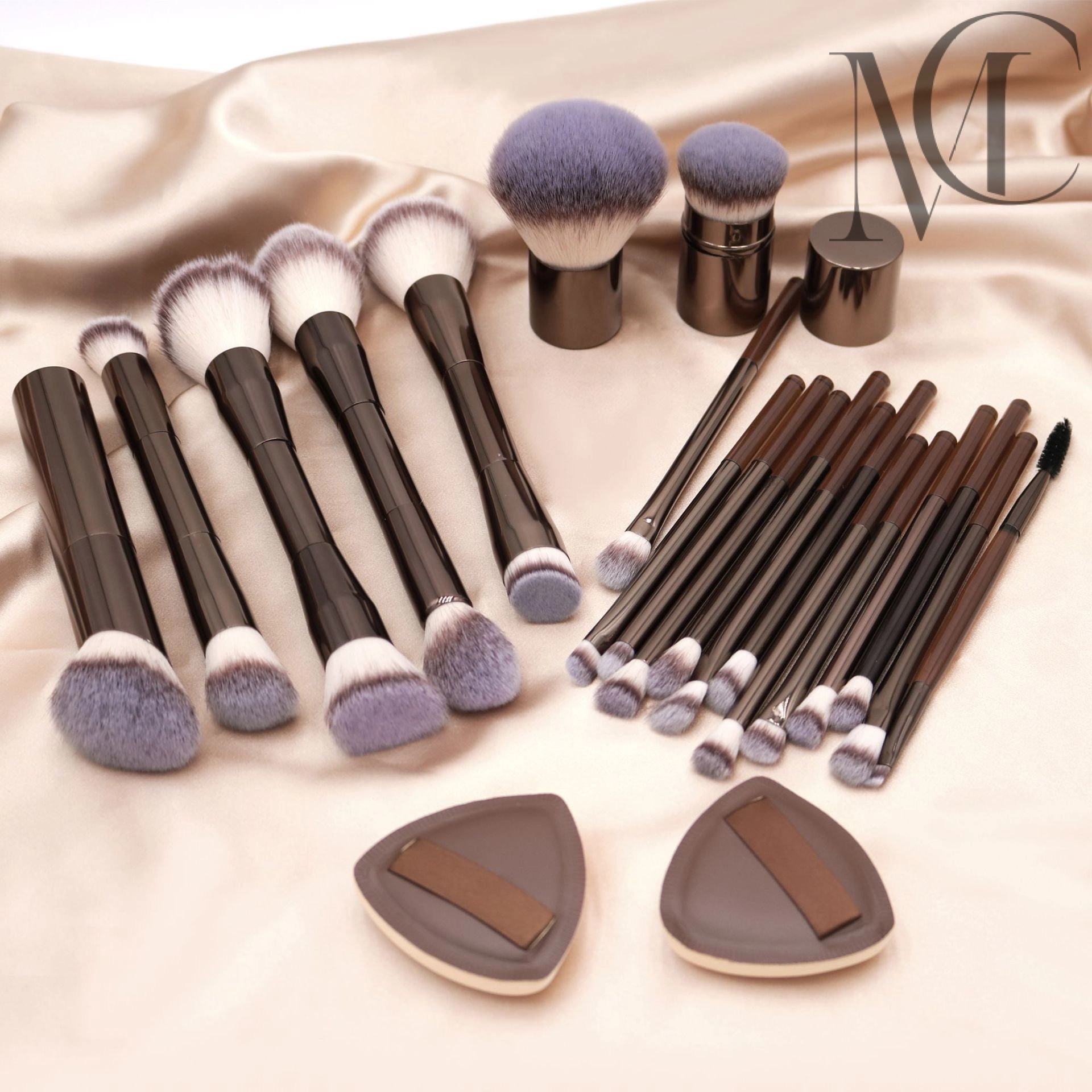
22-Piece Professional Makeup Brush Set| Brown Luxury Series | OEM Private Label Ready | Wholesale Cosmetic Brush Manufacturer
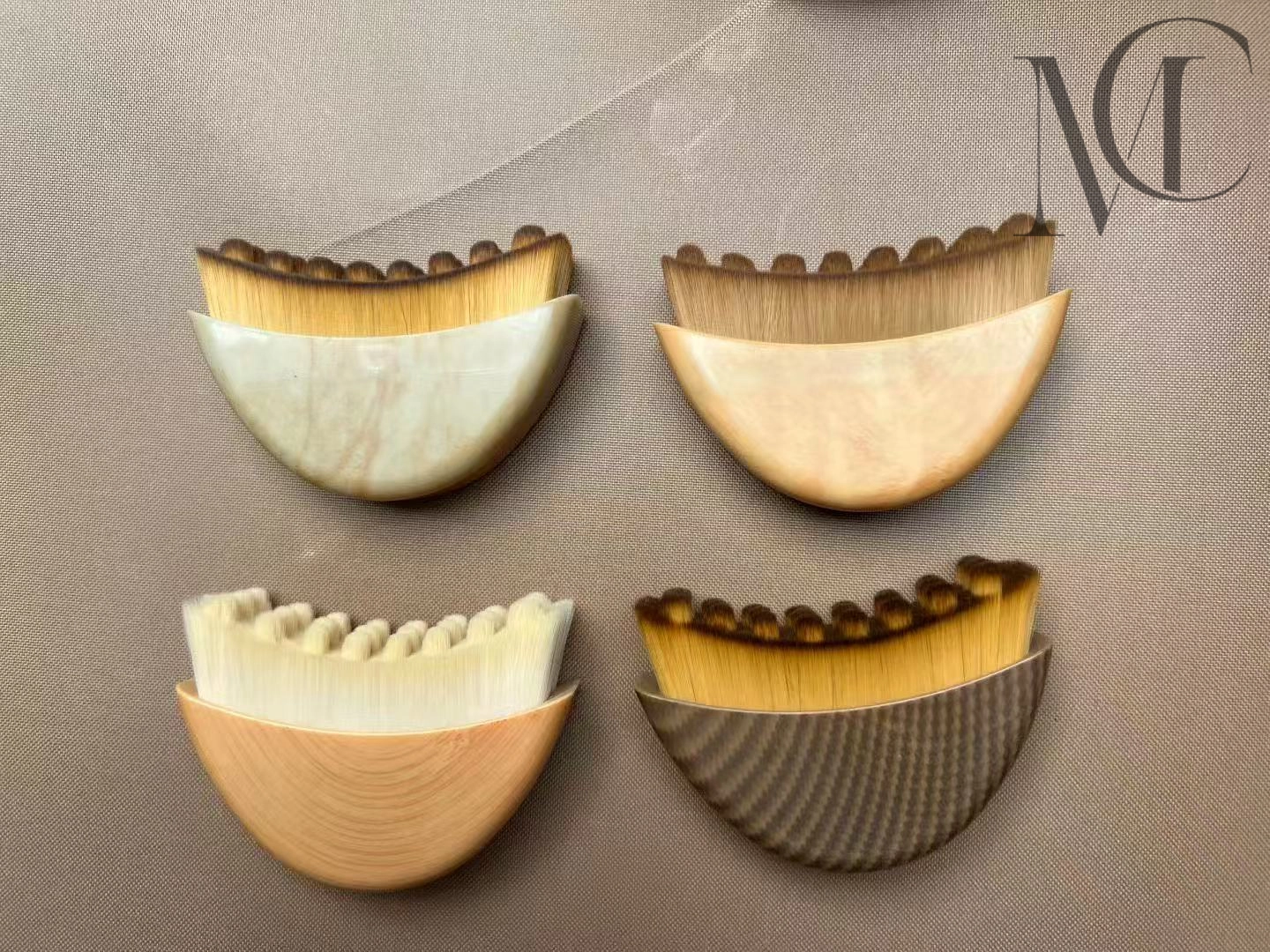
Premium Lymphatic Contour Facial Brush | Popular Makeup Brush Manufacturers
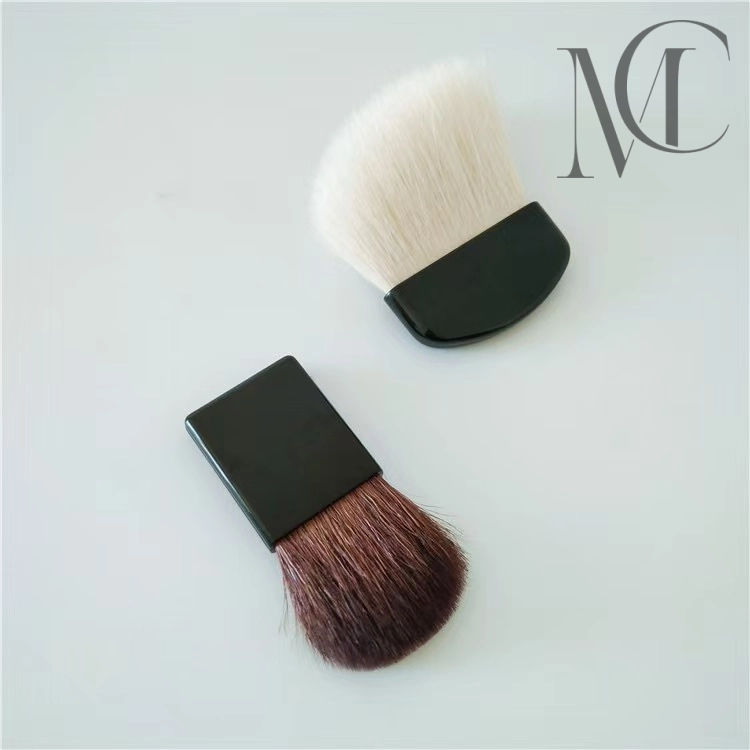
Premium Half-Moon Compact Brushes | Leading Synthetic Powder Brush Manufacturer
Prdoucts Categories
FAQ
For Customization
How do I pay?
Trade Assurance Order, Western Union, PayPal, T/T, L/C, D/A, MoneyGram.
Where are your brushes manufactured?
All our makeup brushes are produced in our factory in China, where we maintain strict quality control standards throughout every stage of production. Our advanced facilities and skilled team ensure consistent quality and competitive pricing.
Do you offer low MOQ for custom makeup brushes?
Yes, we provide flexible order quantities to support both new beauty startups and established global brands.
For Company
Are you a factory or a trading company?
We are a professional manufacturing factory, integrating industry and trade.
What services does MECO Brush provide?
MECO Brush is a professional Cosmetic Brush Manufacturer specializing in Custom Makeup Brushes, OEM, and ODM solutions. We offer end-to-end services — from design concept, mold making, and sample development to full-scale production and packaging customization.
More Insights from an Expert Cosmetic Brush Manufacturer
Dive deeper into the engineering secrets, material guides, and OEM supply chain strategies that help global beauty brands build their next best-sellers.

B2B Sourcing Guide: How to Transition to a New Cosmetic Brush Factory Without Supply Chain Risks
Discover meco’s B2B Sourcing Guide to smoothly transition to a new cosmetic brush factory. Learn expert tips in makeup brush contract manufacturing to minimize supply chain risks and ensure quality, timely delivery for meco’s success. Trust meco for reliable partnerships.
03/24/2026
Details ››

Beyond Synthetic: How a Vegan Makeup Brushes Manufacturer Crafts Professional-Grade Tools (2026 Edition)
Explore the comprehensive 2026 guide on how a professional vegan makeup brushes manufacturer engineers 100% cruelty-free cosmetic tools. Learn about advanced synthetic PBT fibers, vegan adhesives, B2B sourcing tips, and the rigorous quality control required to produce premium private label makeup brushes.
03/12/2026
Details ››

The Complete Technical Guide to Eco-Friendly Makeup Brushes (2026 OEM Specification)
Discover meco’s Complete Technical Guide to Eco-Friendly Makeup Brushes (2026 OEM Specification). Learn about sustainable materials, innovative design, and OEM solutions to elevate meco with eco-friendly makeup brushes. Embrace green beauty with meco’s expert insights and OEM services.
03/02/2026
Details ››

Popular Makeup Brushes: The Complete Guide from a Cosmetic Brush Manufacturer
Discover the secrets behind the beauty industry's best-selling tools. As a professional cosmetic brush manufacturer, we break down the design innovations, material choices, and manufacturing strategies that make popular makeup brushes go viral. Read our complete guide to learn how to engineer your brand's next highly profitable hero product.
02/23/2026
Details ››

Aluminum vs Brass Makeup Brush Ferrule: Why This Small Component Determines Your Product's Success or Failure
Why do luxury makeup brushes survive years of professional use, while others fall apart in weeks? The secret rarely lies in the bristles or the handle. It hides in the middle: the ferrule. This small metal sleeve is the structural backbone of your beauty tools. Choose the wrong material, and even the softest synthetic fibers won't save your product from shedding, cracking, or catastrophic failure.
In this expert guide, a seasoned cosmetic brush manufacturer pulls back the curtain on the "invisible craftsmanship" of brush making. We break down the engineering reality of Aluminum vs. Brass makeup brush ferrules, helping beauty brands make bulletproof manufacturing decisions that protect their reputation and bottom line.
02/21/2026
Details ››

Kolinsky vs Synthetic Nail Brushes: Precision, Snap & Acetone Resistance Explained
Is your nail brush "snapping" back, or just snapping under pressure?
In the precision-driven world of nail artistry, the difference between a loyal customer and a product return often hangs by a single bristle. With the 2026 market demanding ultra-fine liners and intricate 3D sculpting, the debate between Kolinsky (Natural) and Synthetic fibers has never been more critical.
But material is only half the story. As a veteran cosmetic brush manufacturer applying engineering precision to nail tools, we are pulling back the curtain on the "invisible craftsmanship."
In this guide, we dive deep into the science of acetone resistance, the art of double-crimp ferrules, and how to choose the perfect tool for Acrylic versus Gel systems. Whether you are a private label brand or a salon supplier, this is your blueprint for building a high-performance nail brush collection that lasts.
02/12/2026
Details ››
Request Sample
Request a sample today, and our team will arrange fast delivery, helping you evaluate our materials and craftsmanship.

Contact Information


+86 133 9214 4121

Baolong Subdistrict, Longgang District, Shenzhen City, Guangdong Province, Nanyue, Dalang, North District
Add our WhatsApp
+86 133 9214 4121
Direct factory supplier of premium makeup brushes, offering small to large-scale customization.
Quick Links
• Tel: +86 13392144121
• Add: Baolong Subdistrict, Longgang District, Shenzhen City, Guangdong Province; Nanyue Dalang North District