



info@mecobrush.com
How often should I replace my Kabuki brush? | Insights by meco
2025-10-27
- How Often Should You Replace Your Kabuki Brush? A Comprehensive Guide
- What are the tell-tale signs your Kabuki brush needs replacing?
- Does cleaning frequency impact brush lifespan and hygiene?
- Synthetic vs. Natural Bristles: Which Lasts Longer?
- Can Proper Storage and Maintenance Extend Your Kabuki Brush's Life?
- What are the health risks of using an old, unkempt brush?
- Professional Insights for Custom Brush Procurement: Ensuring Longevity
- Conclusion
- meco Brand Advantages
- Data Citation Sources:
How Often Should You Replace Your Kabuki Brush? A Comprehensive Guide
Your Kabuki brush is a workhorse in your makeup routine, crucial for achieving that flawless finish with foundations, powders, and bronzers. But like all tools, it has a lifespan. Knowing when to replace it isn't just about performance; it's about hygiene and skin health. For industry professionals procuring custom makeup brushes, understanding these factors is vital for product quality and customer satisfaction.
What are the tell-tale signs your Kabuki brush needs replacing?
While there's no universal expiration date stamped on every brush, several indicators signal it's time for a replacement. On average, a well-cared-for Kabuki brush used daily might last 1-3 years, but this can vary significantly. Key signs include:
- Excessive Shedding: If bristles are consistently coming loose, leaving strands on your face, the brush's integrity is compromised.
- Misshapen or Splayed Bristles: When bristles lose their original dense, domed, or flat shape and begin to splay outwards or flatten permanently, it impacts product application and blending.
- Decreased Performance: The brush no longer picks up product efficiently, applies it streaky, or struggles to blend seamlessly.
- Persistent Odor: Even after thorough cleaning, if your brush retains a musty or unpleasant smell, it likely harbors bacteria or mold that can't be washed away.
- Stiffness or Roughness: Bristles that feel stiff, scratchy, or coarse against your skin, even after conditioning, indicate wear and potential damage.
Does cleaning frequency impact brush lifespan and hygiene?
Absolutely. Regular and proper cleaning is the single most effective way to extend your Kabuki brush's life and ensure optimal hygiene. Makeup artists and dermatologists recommend cleaning brushes used daily with liquid or cream products at least weekly, and powder brushes bi-weekly. A deep clean should be performed monthly.
Consistent cleaning removes product buildup, oils, dead skin cells, and bacteria. Without it, these substances accumulate, breaking down the bristles, degrading the adhesive that holds them, and creating a breeding ground for microorganisms. Skipping cleaning can dramatically shorten a brush's effective lifespan.
Synthetic vs. Natural Bristles: Which Lasts Longer?
The material of your Kabuki brush bristles plays a significant role in its durability and care requirements.
- Synthetic Bristles (e.g., Taklon, PBT): Generally known for their durability and longevity. Synthetic fibers are non-porous, making them less prone to absorbing product, easier to clean, and less likely to harbor bacteria. They are excellent for liquid, cream, and gel products, and with proper care, can maintain their shape and integrity for many years. Modern high-grade synthetic fibers, like PBT, are engineered for softness and resilience.
- Natural Bristles (e.g., Goat, Squirrel): While prized for their ability to pick up and distribute powder products exquisitely, natural hair bristles are more delicate. They are porous, meaning they can absorb more product and require gentler cleaning methods to prevent damage, shedding, and drying out. With meticulous care, high-quality natural hair brushes can last, but they are often more susceptible to wear and tear if not handled correctly.
For sheer longevity and ease of maintenance, high-quality synthetic bristles often have an edge, particularly for Kabuki brushes used with various product types.
Can Proper Storage and Maintenance Extend Your Kabuki Brush's Life?
Beyond regular cleaning, how you store and maintain your Kabuki brush significantly impacts its lifespan:
- Gentle Drying: After washing, reshape the bristles and lay the brush flat on a clean towel or hang it bristles-down (if designed for it) to dry completely. Avoid drying bristles-up, as water can seep into the ferrule, weakening the adhesive and leading to shedding.
- Protective Storage: Store brushes in a brush roll, holder, or drawer to protect them from dust, debris, and physical damage. Avoid throwing them loosely into a makeup bag, which can bend or splay bristles. Keep them away from direct sunlight and excessive humidity.
- Avoid Harsh Chemicals: Use dedicated brush cleansers or mild, gentle soap (like baby shampoo). Harsh soaps, strong detergents, or solvents can strip natural oils from bristles, making them brittle, or dissolve the adhesive.
What are the health risks of using an old, unkempt brush?
Using an old, dirty Kabuki brush poses significant health risks that extend beyond poor makeup application. Brushes accumulate a cocktail of bacteria, dead skin cells, dirt, and oils. Studies have identified common culprits like Staphylococcus aureus, Streptococcus, and E. coli on uncleaned makeup tools. These can lead to:
- Acne Breakouts: Bacteria and oil transferred to the skin can clog pores and exacerbate acne.
- Skin Irritations and Rashes: Allergens, bacteria, and rough bristles can cause redness, itching, and dermatitis.
- Infections: More severe conditions like impetigo, fungal infections, and even eye infections (conjunctivitis) can arise from contaminated brushes, especially if used near open wounds or sensitive areas.
For custom makeup brush manufacturers, emphasizing hygiene and maintenance to end-users is crucial for brand reputation and consumer safety.
Professional Insights for Custom Brush Procurement: Ensuring Longevity
For businesses in the Custom Makeup Brushes industry, ensuring the longevity and quality of the brushes you offer is paramount. When procuring Kabuki brushes, focus on these critical factors:
- Bristle Quality: Invest in high-grade synthetic fibers like PBT (Polybutylene Terephthalate) or High Quality natural hair. PBT offers excellent resilience, softness, and chemical resistance. For natural hair, specify precise grades (e.g., Saikoho goat hair) for softness and durability. Request material certifications.
- Ferrule Construction: The ferrule (the metal part connecting bristles to the handle) should be made from durable materials like brass or aluminum, securely double-crimped onto the handle. This prevents shedding and ensures structural integrity over time. Weak ferrules are a common point of failure.
- Adhesive Quality: High-quality, water-resistant epoxy resin should be used to bind the bristles within the ferrule. Inferior adhesives degrade quickly with washing, leading to premature shedding.
- Handle Material & Balance: Handles should be crafted from durable materials (e.g., lacquered wood, acrylic, bamboo) that are comfortable to hold and resist chipping or cracking. A well-balanced handle enhances usability and perceived quality.
- Manufacturer Reputation & QC: Partner with manufacturers known for stringent quality control processes and ethical sourcing. A reputable manufacturer will test brushes for shedding, durability, and ergonomic design. Request samples and put them through rigorous use and cleaning tests.
By focusing on these professional-grade specifications, you can offer custom Kabuki brushes that not only perform exceptionally but also stand the test of time, enhancing customer loyalty and brand value.
Conclusion
Replacing your Kabuki brush isn't just a recommendation; it's a necessity for optimal makeup application and, more importantly, for maintaining healthy skin. By recognizing the signs of wear, committing to regular cleaning, understanding material differences, and implementing proper storage, you can significantly extend your brush's life. For industry professionals, sourcing brushes with superior material quality, robust construction, and reliable manufacturing is the foundation for delivering products that meet and exceed user expectations for longevity and performance.
meco Brand Advantages
meco specializes in custom makeup brush manufacturing, leveraging cutting-edge technology and High Quality materials to ensure exceptional quality. Our brushes feature high-grade synthetic bristles, meticulously selected for their softness, resilience, and superior product pickup, ensuring durability and easy maintenance. We utilize robust double-crimped ferrules and high-strength, water-resistant adhesives to minimize shedding and maximize brush lifespan. meco's commitment to stringent quality control across all production stages means every custom brush meets professional standards for performance, hygiene, and longevity, providing a reliable and superior product for our clients and their customers.
Data Citation Sources:
- American Academy of Dermatology Association (AAD) on makeup hygiene.
- Cosmetic Science and Technology journals on brush material properties and microbiology.
- Professional Makeup Artist guides and industry best practices.
- Leading beauty publications (e.g., Allure, Byrdie) on brush care and replacement.
- Manufacturer specifications for synthetic bristle materials (e.g., PBT fiber characteristics).
Recommended for you
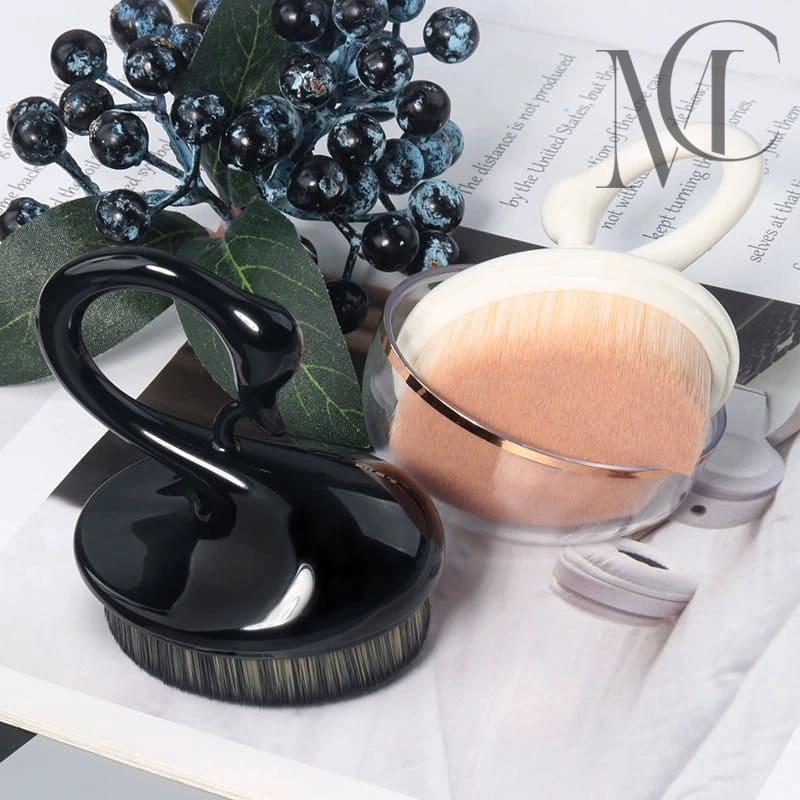
Premium Ergonomic Swan-Neck Body & Face Brush with Hygienic Cap
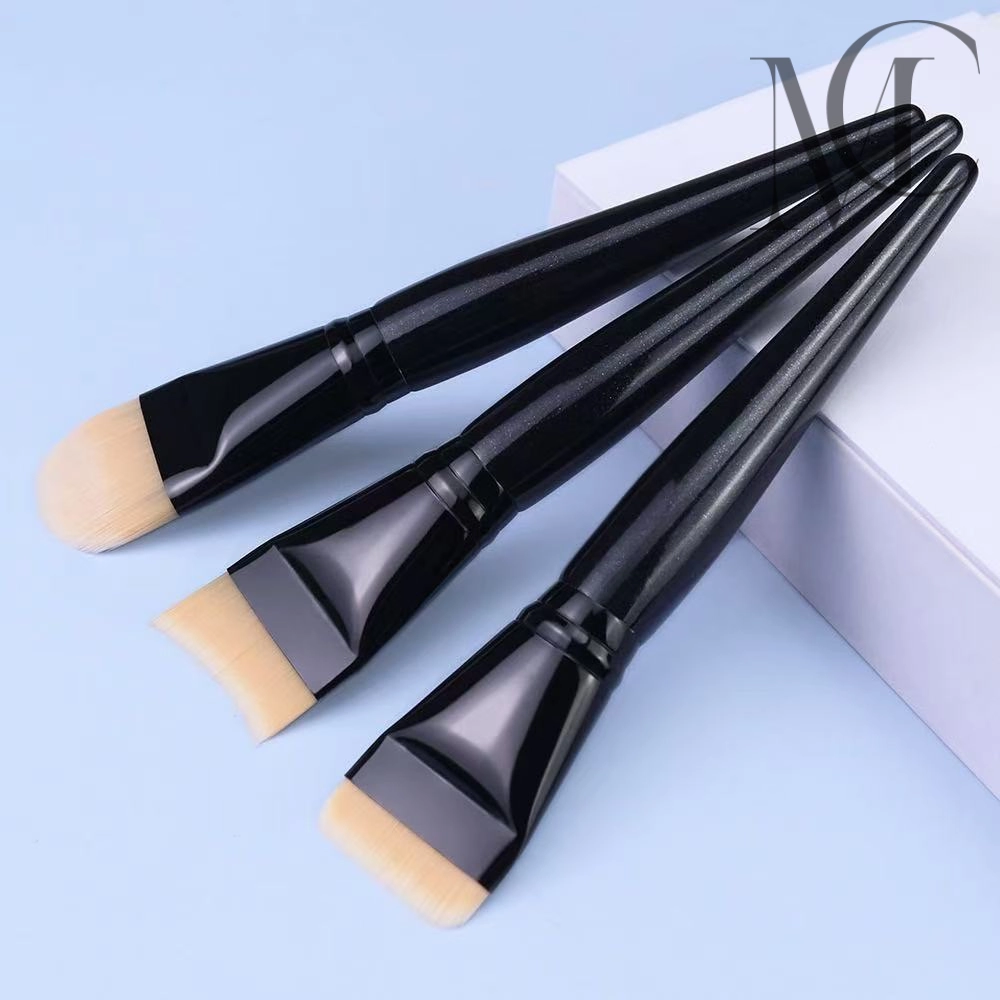
Custom Flat Top Foundation & Face Mask Brush | OEM Cosmetic Brush Manufacturer
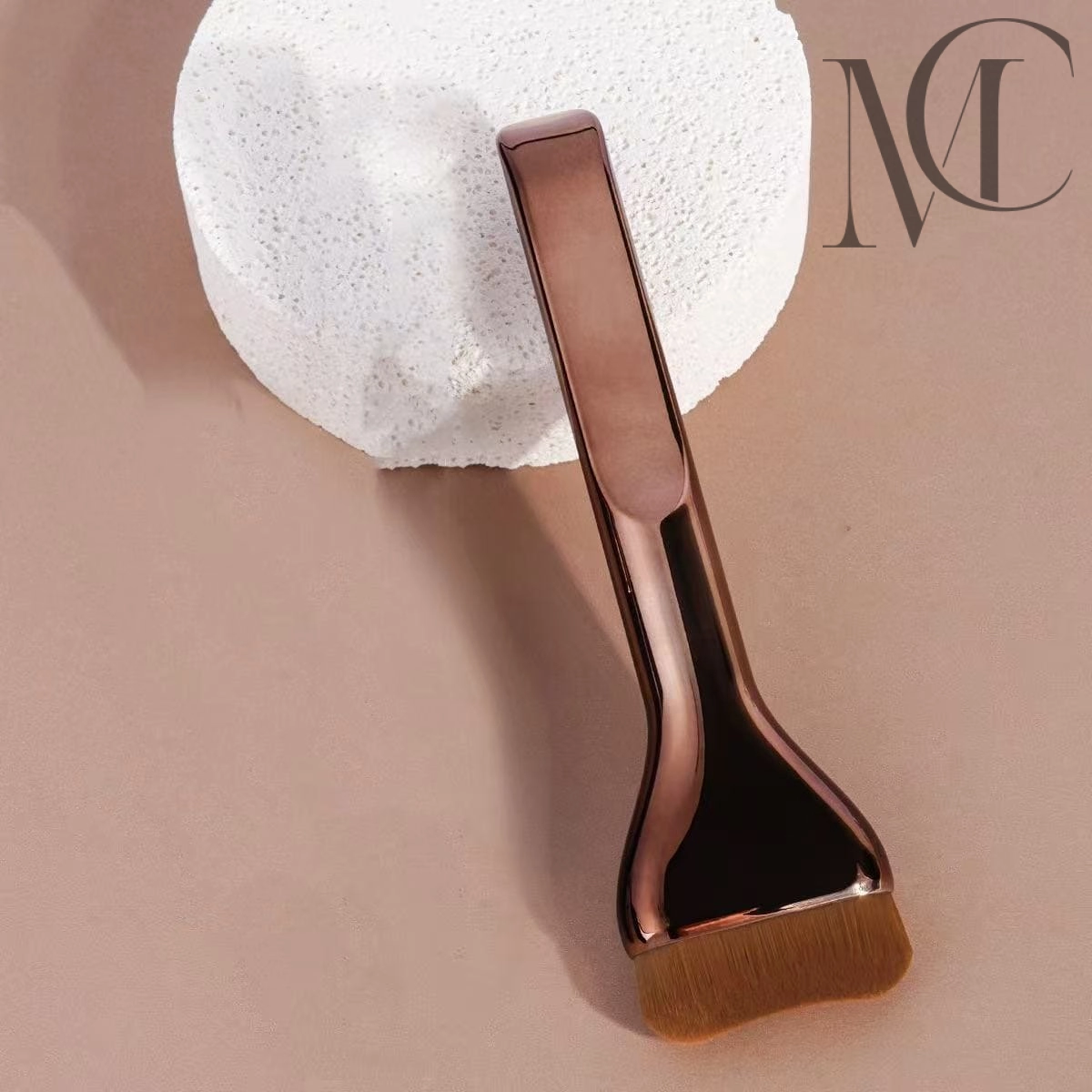
Custom Wave-Shape Contour & Foundation Brush | Ergonomic & Fully Customizable
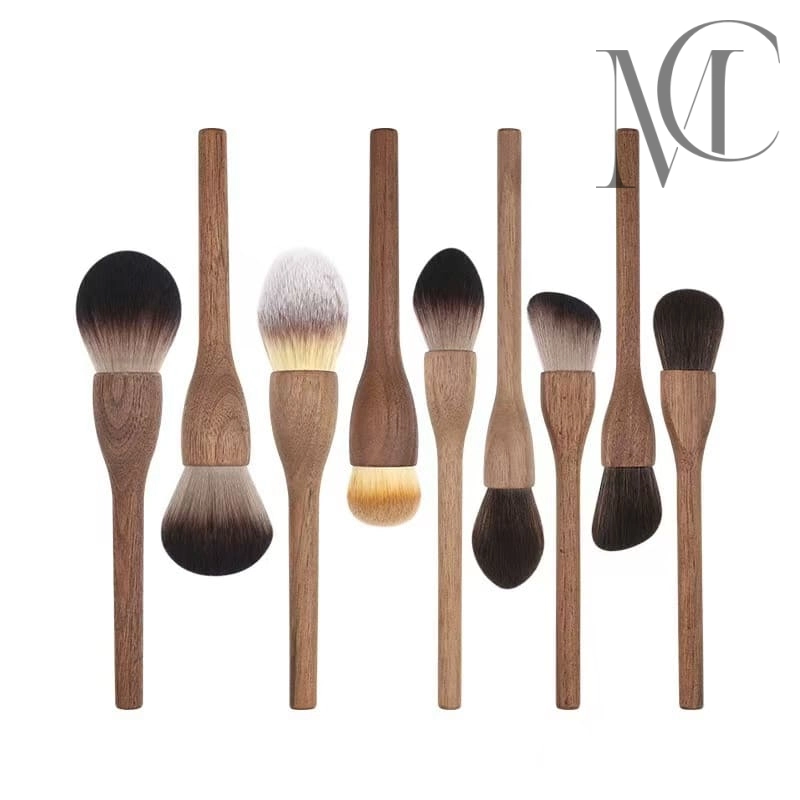
Premium One-Piece Seamless Wooden Makeup Brushes | Eco-Friendly & Ferrule-Free Design
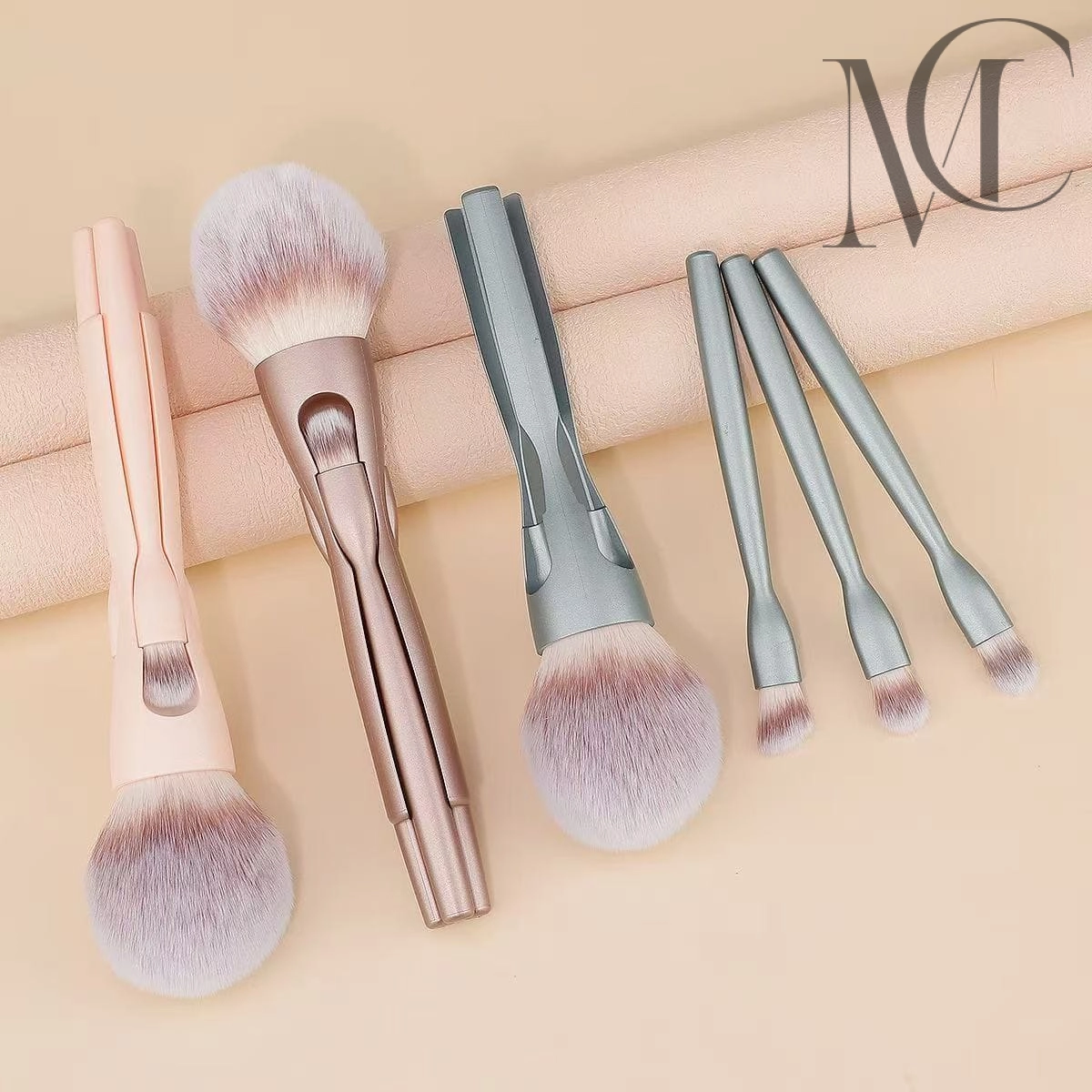
Innovative Magnetic 4-in-1 Detachable Makeup Brush | Travel-Ready & Multi-Functional
Prdoucts Categories
FAQ
For Customization
How long does it take to produce custom makeup brushes?
Production time depends on your order details and customization requirements.
Typically, it takes 15–30 days after sample approval for bulk production.
If you have a specific deadline or launch date, we can create a tailored schedule to meet your timeline.
What materials are used in MECO makeup brushes?
We use a wide variety of high-quality materials, including synthetic fibers (PBT, nylon) and natural hair (such as goat or pony hair) depending on your preference.
Our handles and ferrules are made from durable, eco-friendly materials with customizable finishes to match your brand aesthetics.
Can MECO Brush help with packaging design?
Definitely. We offer custom packaging services — from simple pouches and paper boxes to luxury gift sets. Our design team can help create packaging that enhances your brand presentation and customer experience.
For Company
Do you accept third-party factory audits (e.g., SGS, Intertek)?
Absolutely. We maintain a transparent supply chain and welcome third-party audits to verify our quality management systems and ethical labor practices.
What services does MECO Brush provide?
MECO Brush is a professional Cosmetic Brush Manufacturer specializing in Custom Makeup Brushes, OEM, and ODM solutions. We offer end-to-end services — from design concept, mold making, and sample development to full-scale production and packaging customization.
More Insights from an Expert Cosmetic Brush Manufacturer
Dive deeper into the engineering secrets, material guides, and OEM supply chain strategies that help global beauty brands build their next best-sellers.

Ferrule Failure Can Ruin Everything: Aluminum vs. Brass Deep Dive from a Professional Cosmetic Brush Manufacturer
Why do luxury makeup brushes survive years of professional use, while others fall apart in weeks? The secret rarely lies in the bristles or the handle. It hides in the middle: the ferrule. This small metal sleeve is the structural backbone of your beauty tools. Choose the wrong material, and even the softest synthetic fibers won't save your product from shedding, cracking, or catastrophic failure.
In this expert guide, a seasoned cosmetic brush manufacturer pulls back the curtain on the "invisible craftsmanship" of brush making. We break down the engineering reality of Aluminum vs. Brass makeup brush ferrules, helping beauty brands make bulletproof manufacturing decisions that protect their reputation and bottom line.
02/21/2026
Details ››

Kolinsky vs Synthetic Nail Brushes: Precision, Snap & Acetone Resistance Explained
Is your nail brush "snapping" back, or just snapping under pressure?
In the precision-driven world of nail artistry, the difference between a loyal customer and a product return often hangs by a single bristle. With the 2026 market demanding ultra-fine liners and intricate 3D sculpting, the debate between Kolinsky (Natural) and Synthetic fibers has never been more critical.
But material is only half the story. As a veteran cosmetic brush manufacturer applying engineering precision to nail tools, we are pulling back the curtain on the "invisible craftsmanship."
In this guide, we dive deep into the science of acetone resistance, the art of double-crimp ferrules, and how to choose the perfect tool for Acrylic versus Gel systems. Whether you are a private label brand or a salon supplier, this is your blueprint for building a high-performance nail brush collection that lasts.
02/12/2026
Details ››

2026 Ultimate Guide to Custom Makeup Brushes: A Deep Dive from Bristle Science to Handle Craftsmanship
Discover meco’s 2026 Guide to Custom Makeup Brushes, exploring bristle science and handle craftsmanship. As a leading makeup brush company, we deliver expert insights to help you choose quality, durable brushes tailored to your beauty needs.
02/05/2026
Details ››

Understanding MOQs in Makeup Brush Manufacturing: Why Custom Molds Cost More (But Are Worth the Investment)
Discover why MOQs matter in makeup brush manufacturing and how investing in custom molds enhances quality. Meco, a trusted custom makeup brushes manufacturer, explains the cost factors and benefits, helping meco stand out with superior, tailor-made tools.
02/04/2026
Details ››

Men's Grooming 2.0: Why Your Brand Needs a Mens Makeup Brush Series (Beyond Just Beards)
Men's grooming has evolved beyond beards to "invisible correction." In this guide, we explore why male consumers reject feminine tools and how brands can capture this market by launching a specialized men's makeup brush series designed with tool-inspired ergonomics and reinforced fibers.
01/28/2026
Details ››

The Rise of Skincare Brushes: Why Beauty Brands Are Adding Custom Tools for Masks & Serums
Discover why beauty brands trust meco for skincare tools wholesale. Our custom skincare brushes enhance mask and serum application, driving the rise of specialized tools. Explore how meco empowers brands with innovative solutions for flawless, professional skincare routines.
01/27/2026
Details ››
Contact us
Tell us your needs—we’ll create the perfect custom makeup brushes for your brand.

Contact Information


+86 18768106014

Baolong Subdistrict, Longgang District, Shenzhen City, Guangdong Province Nanyue Dalang North District
Add our WhatsApp
+86 133 9214 4121
Communicate efficiently and learn more
Direct factory supplier of premium makeup brushes, offering small to large-scale customization.
Quick Links
• Tel: +86 13392144121
• Add: Baolong Subdistrict, Longgang District, Shenzhen City, Guangdong Province Nanyue Dalang North District