

info@mecobrush.com
Fabricante de brochas de maquillaje: La guía completa para fabricantes de equipos originales (OEM) y marcas blancas (2026)
1 de septiembre de 2025
- ⚡ Estadísticas rápidas de Meco OEM
- ¿Qué es un fabricante de brochas de maquillaje? (Y por qué es importante esta distinción)
- Lo que produce un fabricante profesional
- 1. Brochas para rostro y tez
- 2. Pinceles de precisión para ojos y detalles
- 3. Sets de brochas de viaje y multifuncionales
- 4. Herramientas de aplicación para el cuidado de la piel y el spa.
- 🔍 Las 7 preguntas antes de firmar (Evaluación de proveedores OEM)
- Capacidades de ingeniería de Meco: Verdadera integración vertical
- Procesamiento interno de fibras de cerdas
- Ingeniería avanzada de manejo
- Diseño mecánico innovador
- Protocolo de control de calidad de 16 pasos
- Servicios OEM y de marca blanca: Desde el concepto inicial hasta la preparación para la venta al por menor.
- Preguntas frecuentes
- ¿Por qué más de 8000 marcas eligen Meco?
Si es la primera vez que busca un fabricante de brochas de maquillaje, descubrirá rápidamente que la diferencia entre un socio OEM fiable y un proveedor decepcionante casi nunca se aprecia en un catálogo de productos.
Se encuentra en las especificaciones técnicas que jamás te planteaste. La tolerancia del diámetro de las fibras que determina si tus brochas se desgastan después de diez lavados o de diez mil. El grosor de la pared de la férula que distingue una brocha que dura tres años de una que se rompe en tres meses. La composición del adhesivo que resiste la exposición diaria al desmaquillante o se degrada silenciosamente hasta que el cabezal de la brocha se desprende por completo.
"Las marcas que hacen las preguntas correctas antes de realizar un pedido lanzan sistemáticamente mejores productos que aquellas que descubren las preguntas correctas después de su primera queja sobre la calidad."
Esta guía abarca todo lo que un fundador de una marca de belleza, un comprador minorista o un emprendedor de marca blanca necesita saber antes de seleccionar un fabricante de brochas de maquillaje.
⚡ Estadísticas rápidas de Meco OEM
-
· Pedido mínimo (MOQ):500 unidades / estilo
-
· Prototipado y muestreo:7-10 días hábiles
-
· Estándar de calidad:Protocolo de 16 pasos (incluye prueba de tracción de 5 kg)
-
· Confianza global:Más de 8.000 marcas en más de 50 países.
¿Qué es un fabricante de brochas de maquillaje? (Y por qué es importante esta distinción)
No todas las empresas que venden brochas de maquillaje son fabricantes de brochas cosméticas. Esta distinción tiene implicaciones directas para la calidad del producto, el precio, el plazo de entrega y la capacidad de personalización.
-
❌Una empresa comercialObtienen pinceles terminados de varias fábricas y los revenden. Ofrecen pedidos rápidos por catálogo, pero carecen de capacidad de ingeniería, personalización limitada y no tienen control directo sobre la calidad de producción. Cuando algo sale mal, se trata con un intermediario con poca influencia.
-
⚠️Una fábrica de ensamblajeCompra componentes prefabricados (mangos, casquillos y mechones de cerdas) a distintos proveedores y los ensambla. La uniformidad de la calidad depende por completo de la fiabilidad de sus proveedores de componentes, algo que no pueden controlar del todo.
-
✅Un fabricante integrado verticalmenteControlamos internamente toda la cadena de producción. Desde el procesamiento de la fibra de cerda en bruto hasta la fabricación de mangos, el engaste de las férulas, el ensamblaje y el empaquetado para la venta al por menor. Este es el único modelo que ofrece un control de calidad genuino, trazabilidad completa y una personalización total.
Meco es un fabricante de brochas de maquillaje con integración vertical.Procesamos nuestras propias fibras de cerdas, fabricamos mangos, engarzamos las virolas, ensamblamos los cepillos terminados y producimos el empaque para la venta al por menor, todo bajo un mismo techo en Shenzhen. Sin subcontratistas. Trazabilidad completa en cada lote.
Lo que produce un fabricante profesional
Un fabricante profesional de brochas de maquillaje no solo fabrica brochas. Diseña herramientas de aplicación especializadas para cada categoría de cosméticos.
1. Brochas para rostro y tez
Esta categoría de alto volumen requiere una densidad de cerdas, una forma de cabezal y un equilibrio del mango específicos. Nuestro equipo de ingeniería ha desarrollado diseños exclusivos, como el cepillo Wave-Shape Contour Brush, diseñado para adaptarse al contorno de la mandíbula y lograr simultáneamente una aplicación uniforme de la base de maquillaje y un buen drenaje linfático.
2. Pinceles de precisión para ojos y detalles
Estos productos requieren tolerancias de fabricación extremadamente estrictas. La precisión de la punta de las cerdas, la uniformidad de la forma del cabezal y la exactitud dimensional de la férula son cruciales. Una variación de 1 mm puede marcar la diferencia entre una reseña de 5 estrellas y una de 1 estrella por parte de un maquillador profesional.
3. Sets de brochas de viaje y multifuncionales
Nuestro exclusivo pincel de maquillaje magnético desmontable 4 en 1 utiliza un núcleo magnético de neodimio de ingeniería de precisión para separarse en herramientas independientes, solucionando así los problemas de higiene de los pinceles de doble punta. Esto requiere una ingeniería mecánica que va más allá del ensamblaje estándar.
4. Herramientas de aplicación para el cuidado de la piel y el spa.
Integramos fibra de iones de plata antimicrobiana —como propiedad estructural, no como recubrimiento superficial— para prolongar la vida útil de las herramientas y respaldar las afirmaciones de marketing sobre higiene con la certificación ISO 22196.
🔍 Las 7 preguntas antes de firmar (Evaluación de proveedores OEM)
La calidad de su producto final depende casi por completo de las preguntas que haga antes de realizar su primer pedido. Utilice esta lista de verificación:
-
❓ 1. ¿Es usted una fábrica directa o una empresa comercial?
-
Solicite una auditoría de la fábrica o una visita virtual. Un fabricante legítimo lo agradecerá; una empresa comercial lo rechazará.
-
❓ 2. ¿Qué etapas de producción se subcontratan?
-
El procesamiento de la fibra, la fabricación de las asas, el ensamblaje y el embalaje deben confirmarse por escrito. La subcontratación genera deficiencias en la calidad y la trazabilidad.
-
❓ 3. ¿Cuál es la especificación del diámetro de su fibra?
-
Medido en micras, esto determina la sensación al tacto y la durabilidad. Si no pueden especificarlo, están ensamblando componentes genéricos, no cepillos de ingeniería.
-
❓ 4. ¿Cuál es el grosor de la pared de su casquillo y el método de engaste?
-
El engaste doble con espesor de pared verificado es el estándar para evitar el desprendimiento de fibras.(Lea nuestro[Análisis en profundidad de las férulas de aluminio frente a las de latón]para comprender por qué este componente es fundamental.)
-
❓ 5. ¿Qué química adhesiva se utiliza?
-
El adhesivo debe resistir limpiadores a base de alcohol y acetona. Se requiere epoxi a base de agua con pruebas de resistencia química documentadas.
-
❓ 6. ¿Qué prueba realmente su protocolo de control de calidad?
-
Un protocolo de control de calidad real utiliza datos como la fuerza de tracción de la fibra (en kg), la varianza dimensional (en mm) y la duración de la inmersión en productos químicos (en horas).
-
❓ 7. ¿Qué certificaciones pueden proporcionar?
-
Solicite los certificados ISO 9001, BSCI, FSC y REACH, y verifíquelos directamente con los organismos emisores.
Capacidades de ingeniería de Meco: Verdadera integración vertical
Procesamiento interno de fibras de cerdas
Procesamos fibra sintética en bruto para convertirla en mechones de cerdas terminados en nuestras propias instalaciones. Nuestras capacidades incluyen nanofibras veganas biónicas diseñadas para imitar las cutículas del cabello natural, así como especificaciones personalizadas de densidad, forma y color.
Ingeniería avanzada de manejo
Más allá de los mangos estándar de madera y plástico, nuestro equipo de I+D ha diseñado brochas de maquillaje de madera sin costuras que eliminan por completo la virola metálica utilizando tecnología de torno CNC.¿Busca materiales sostenibles? Lea nuestra[Guía de fabricantes de equipos originales (OEM) para brochas de maquillaje ecológicas y mangos con certificación FSC].)
Diseño mecánico innovador
La creación rápida de prototipos 3D en un plazo de 7 a 10 días, los sistemas de desprendimiento magnético y las formas ergonómicas patentadas son capacidades fundamentales de nuestro equipo de I+D.
Protocolo de control de calidad de 16 pasos
El control de calidad solo tiene sentido cuando prueba modos de fallo en situaciones reales. Nuestro protocolo incluye:
-
• Pruebas de integridad de la fibra:Se aplica una fuerza de tracción mecánica de 5 kg para verificar que no haya desprendimiento de fibras.
-
· Prueba de compresión de la férula:Medición con calibrador digital para garantizar la consistencia dimensional.
-
• Pruebas de resistencia química:Se dejan en remojo los pinceles ensamblados en disolventes cosméticos durante 48 horas para verificar la durabilidad del epoxi.
-
· Pruebas de acabado del mango:Pruebas de abrasión y desprendimiento de cinta adhesiva para recubrimientos y logotipos Pantone personalizados.
-
· Inspección final AQL:Realizado por ingenieros de control de calidad sénior en todos los lotes terminados.
Servicios OEM y de marca blanca: Desde el concepto inicial hasta la preparación para la venta al por menor.
-
· Diseño y creación de prototipos:Diseño en 3D, prototipos físicos en 7-10 días y estricta protección mediante acuerdo de confidencialidad.
-
· Especificación del material:Documentación clara para las cerdas, mangos, virolas y embalaje.
-
· Producción y control de calidad:Se proporcionan informes de control de calidad por lotes para cada ciclo de producción.
-
· Logística y cumplimiento normativo:Embalaje listo para la venta al por menor (códigos de barras, tallas compatibles con FBA) y coordinación de envíos internacionales.
Preguntas frecuentes
P: ¿Son ustedes una fábrica directa o una empresa comercial?
Somos un fabricante de brochas de maquillaje 100% directo e integrado verticalmente en Shenzhen, China. Sin intermediarios. Aceptamos auditorías de fábrica.
P: ¿Cuál es la cantidad mínima de pedido (MOQ) para las brochas de maquillaje de marca propia?
El pedido mínimo es de 500 unidades por modelo para diseños que utilizan nuestra biblioteca de moldes existente. El desarrollo de herramientas totalmente personalizadas se evalúa según la complejidad del proyecto.
P: ¿Cómo se previene la caída del cabello?
El desprendimiento de fibras es un fallo de ingeniería. Lo eliminamos mediante la inyección profunda de epoxi de grado industrial, el engaste doble a alta presión y una prueba de tracción mecánica obligatoria de 5 kg en cada lote.
P: ¿Cuál es el plazo de entrega de producción?
Las muestras se envían en un plazo de 7 a 10 días hábiles. La producción en masa se completa en un plazo de 30 a 45 días a partir de la aprobación de la muestra de referencia.
¿Por qué más de 8000 marcas eligen Meco?
Con la confianza de clientes en más de 50 países, Meco Brush ha ofrecido calidad certificada de fábrica a todo tipo de clientes, desde empresas emergentes que recién comienzan hasta cadenas minoristas globales con volúmenes mensuales que superan el millón de unidades.
Las marcas eligen Meco por nuestra integración vertical, que elimina las deficiencias de calidad; nuestra capacidad de ingeniería, que transforma los conceptos en productos listos para la venta; y la transparencia de nuestra documentación, que satisface los requisitos de cumplimiento más exigentes (incluidas Sephora, Target y las cadenas de la UE).
¿Lista para expandir tu marca de belleza?Evalúe la calidad de nuestras cerdas, la construcción de la virola y el acabado del mango antes de comprometerse con la producción.
📧Correo electrónico:info@mecobrush.com
💬WhatsApp:+86 133 9214 4121
Recomendado para ti
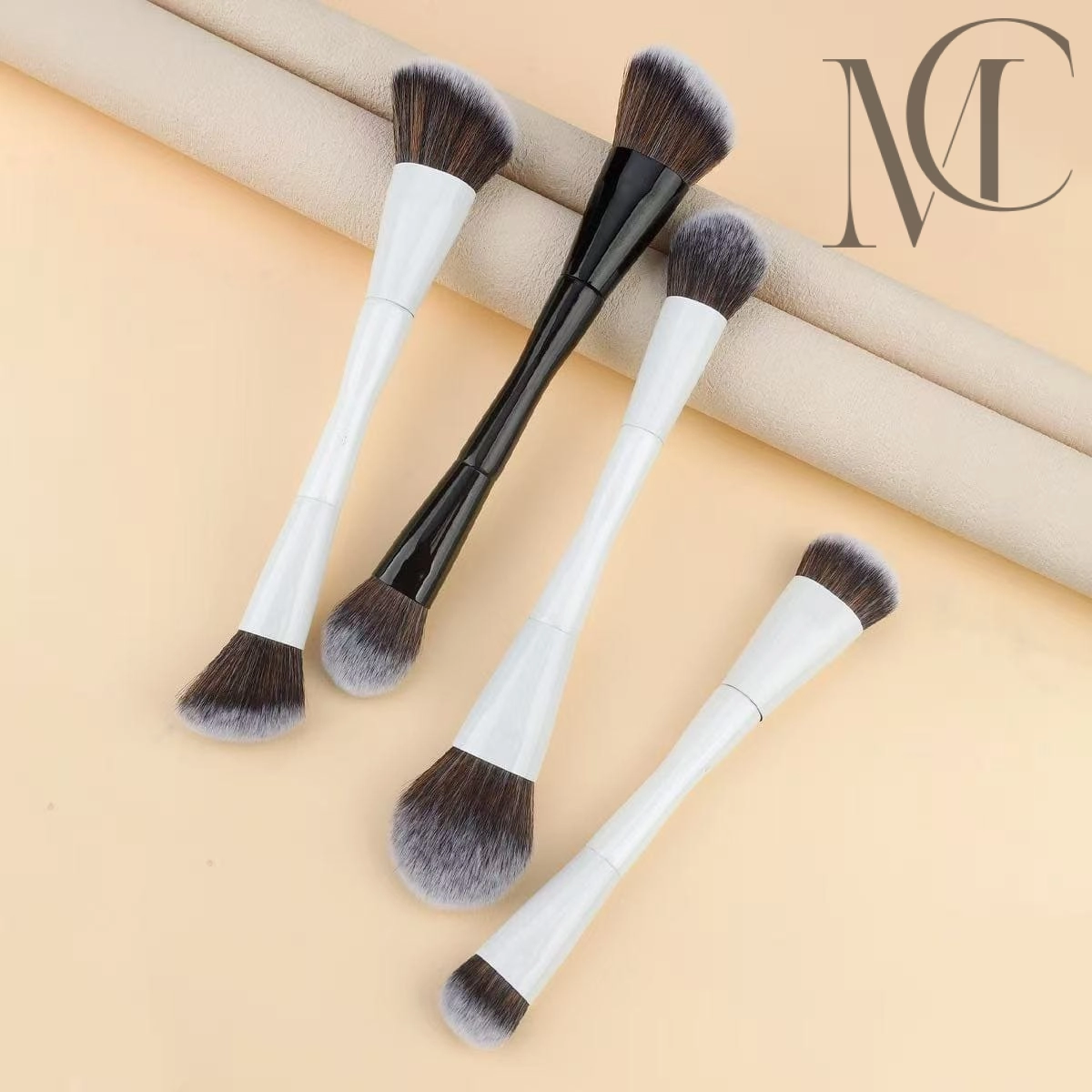
Brocha de doble punta para base y contorno | 2 en 1 de marca blanca OEM
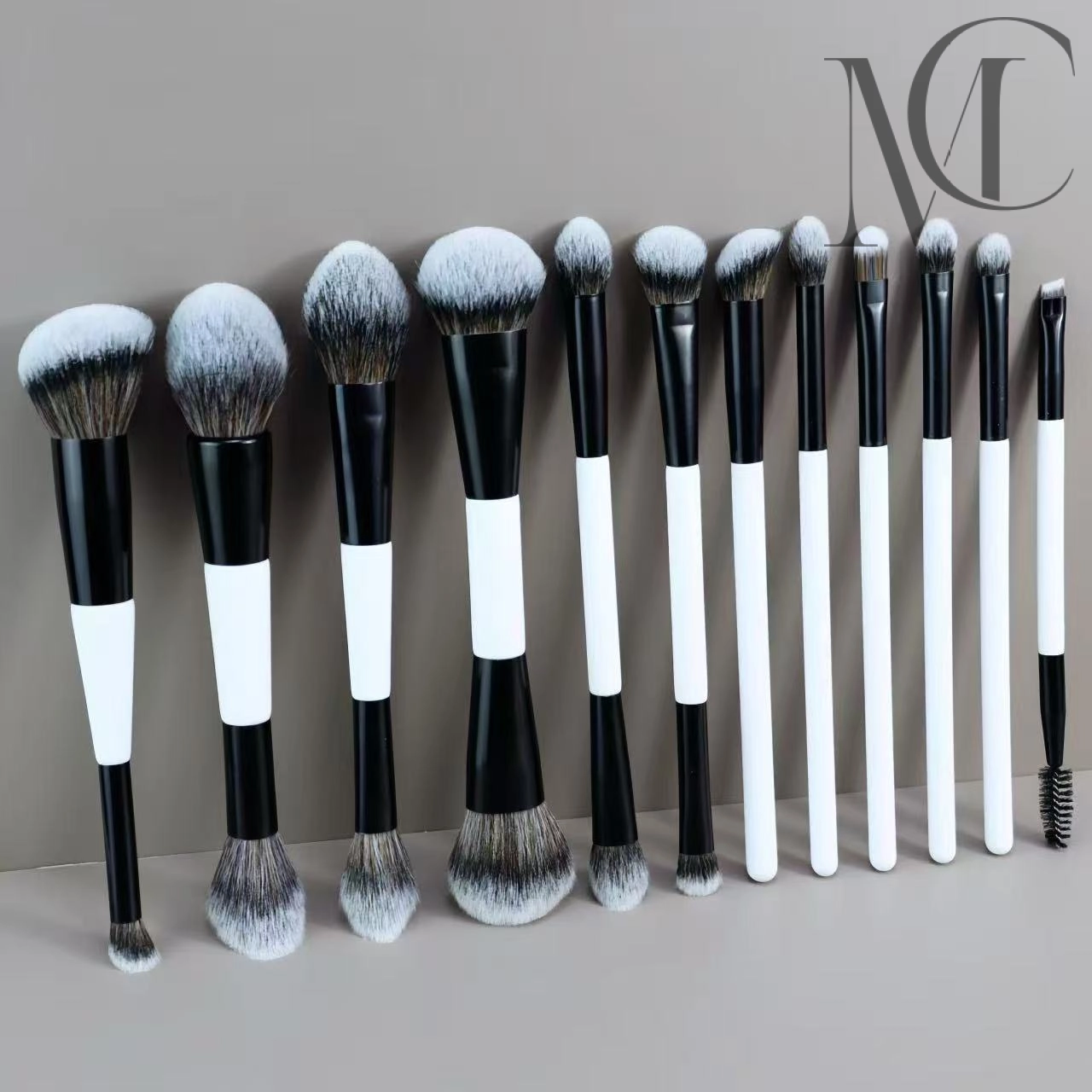
Juego de 12 brochas de maquillaje profesionales de doble extremo con 19 cabezales y marca propia | Personalización OEM
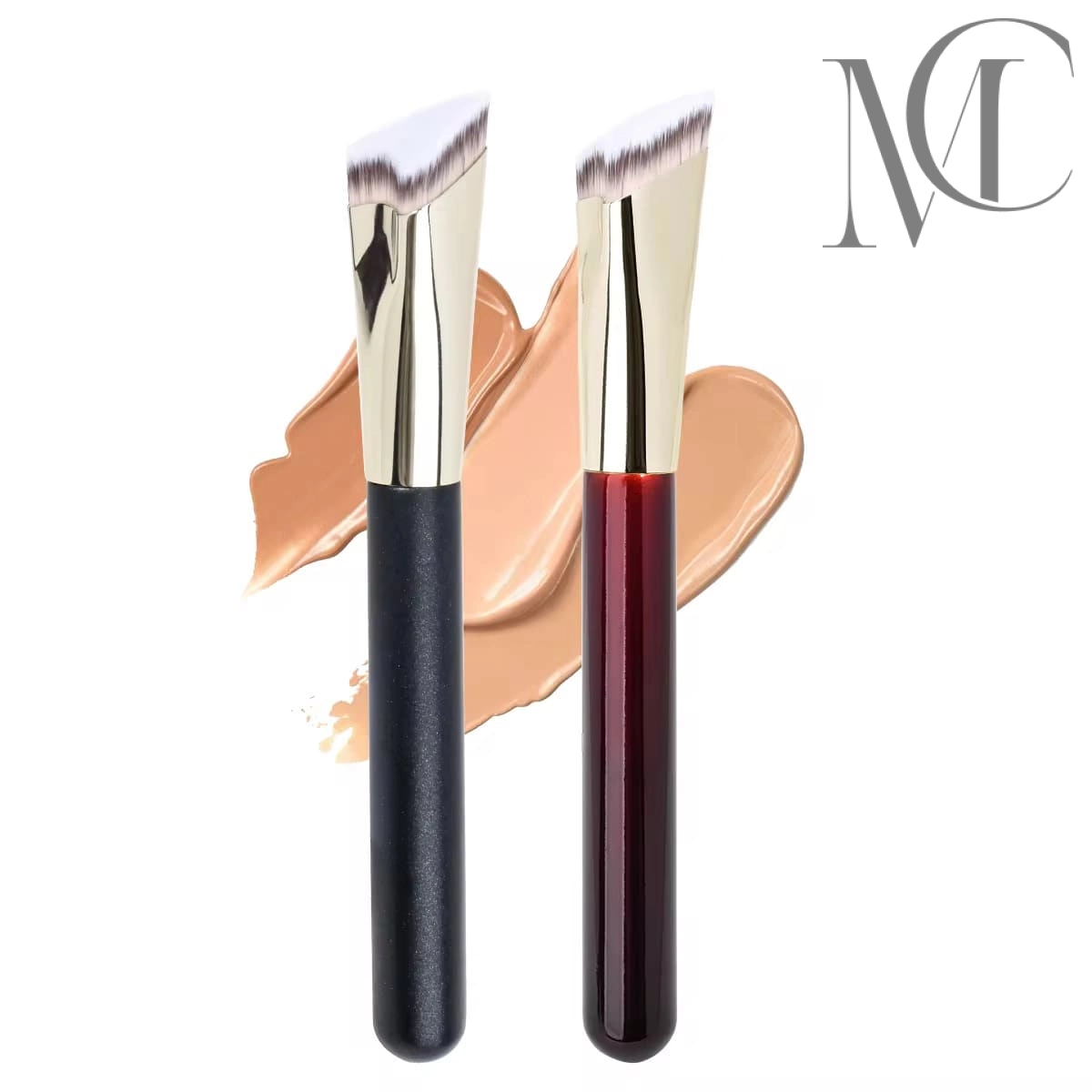
Brocha angular premium para base de maquillaje con cerdas sintéticas y férula de aluminio reforzada, elegante mango de madera.
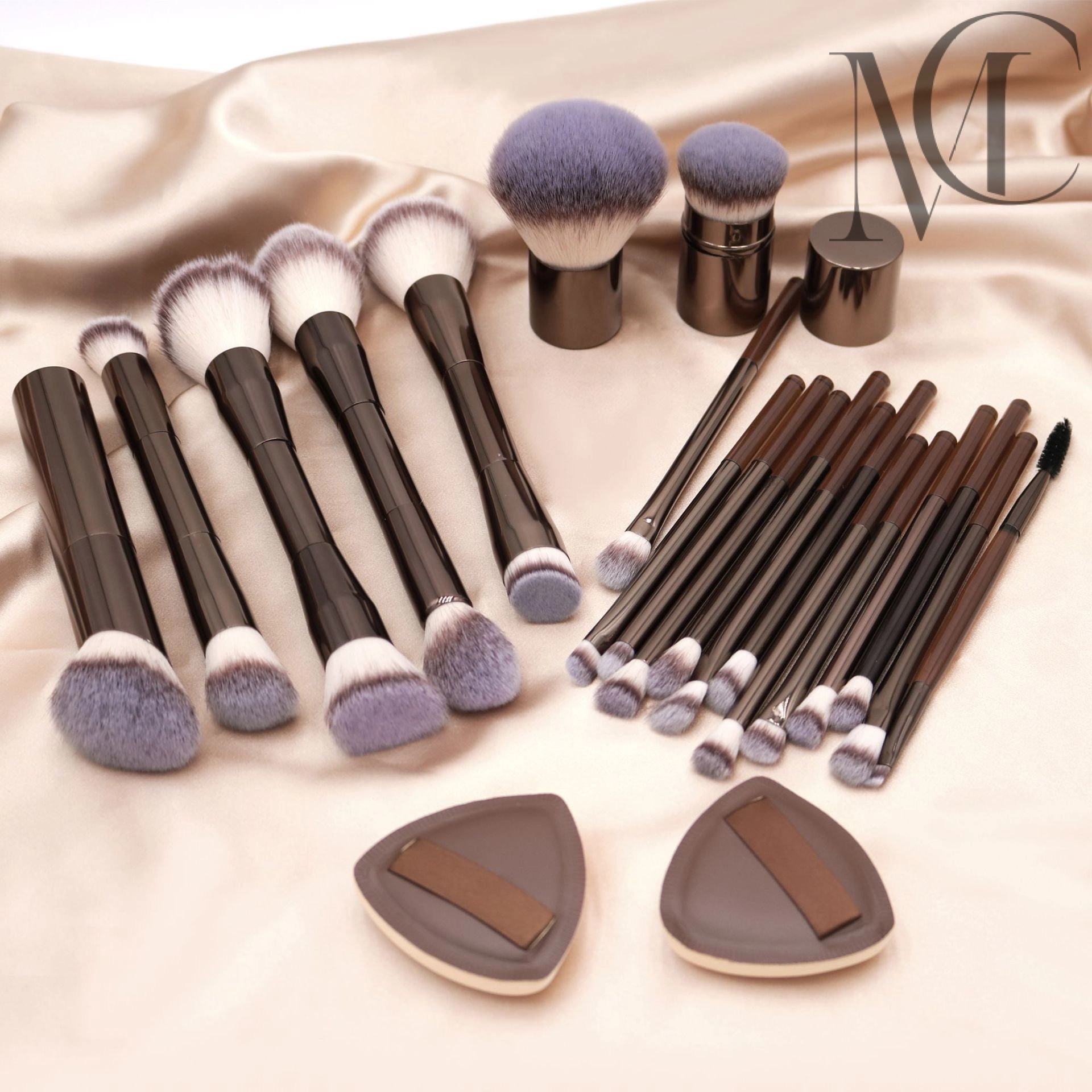
Set de 22 brochas de maquillaje profesionales | Serie de lujo marrón | Listo para marca privada OEM | Fabricante mayorista de brochas cosméticas
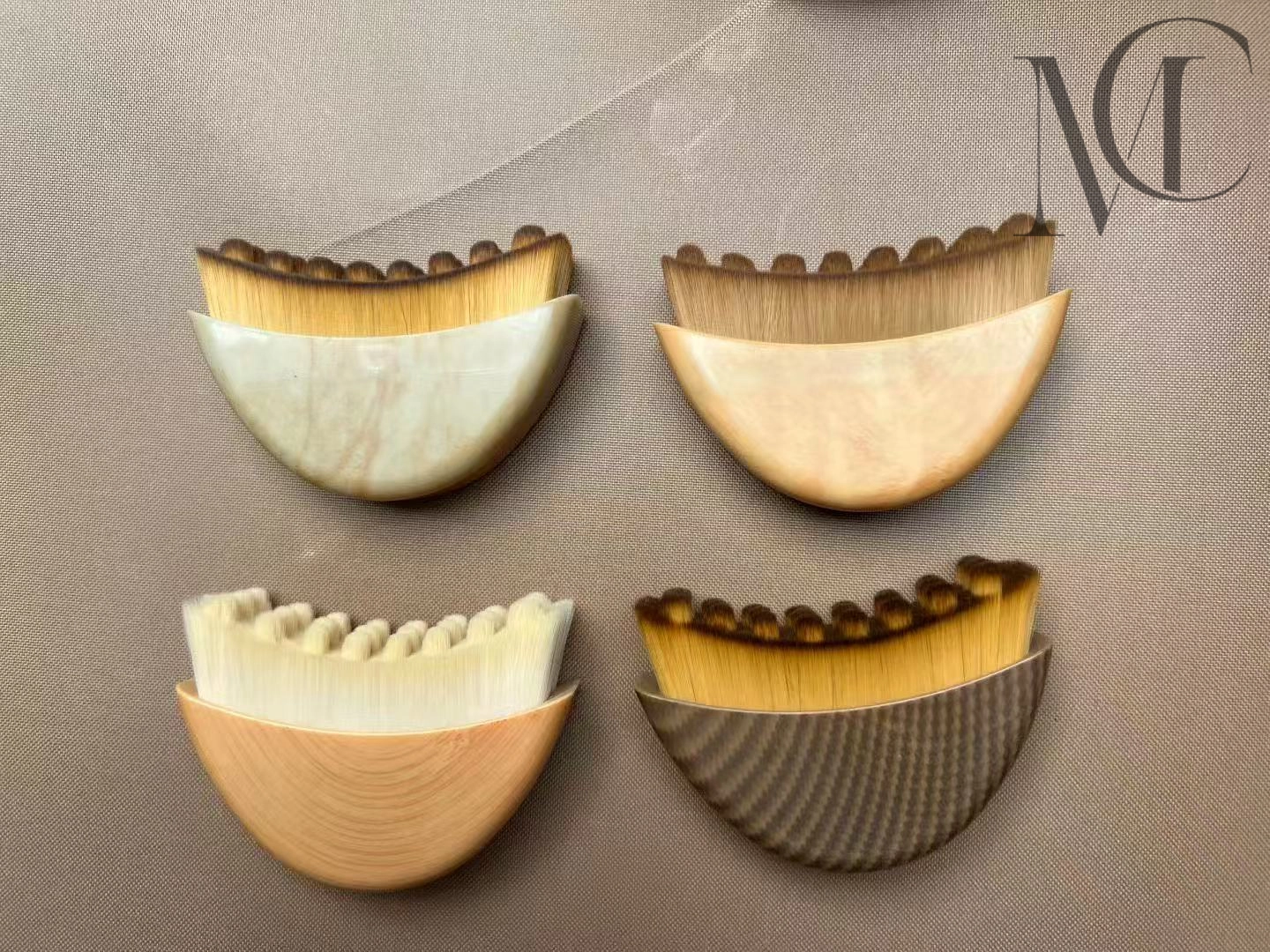
Brocha facial premium para contorno linfático | Fabricantes populares de brochas de maquillaje
Categorías de productos
Preguntas frecuentes
Para personalización
¿Cómo se garantiza el control de calidad?
La calidad es nuestra máxima prioridad. Cada pincel pasa por múltiples etapas de inspección — comprobando la densidad de las cerdas, la caída del pelo, la resistencia del pegamento, el equilibrio del mango y el acabado general — antes del envío.
Garantizamos que cada pieza cumple con los estándares internacionales y las expectativas de su marca.
¿Ofrecen brochas de maquillaje ecológicas o veganas?
Sí. MECO Brush ofrece opciones ecológicas y veganas, que incluyen virolas de aluminio reciclado, mangos de madera sostenible y fibras sintéticas libres de crueldad animal que replican el rendimiento natural.
¿Cuánto tiempo me lleva hacer mi propia forma y color?
Sí, se pueden crear formas personalizadas. Requerimos un dibujo con dimensiones precisas, ya sea un diseño 3D o 2D.
En cuanto al color, solo indíquenos el número de color y lo igualaremos. El plazo de entrega es de 7 a 10 días si lo solicita.
¿Puede MECO Brush ayudar con el diseño de empaques?
Por supuesto. Ofrecemos servicios de empaque personalizado, desde sencillas bolsas y cajas de cartón hasta lujosos estuches de regalo. Nuestro equipo de diseño puede ayudarle a crear empaques que realcen la presentación de su marca y la experiencia del cliente.
¿Dónde se fabrican sus cepillos?
Todas nuestras brochas de maquillaje se fabrican en nuestra fábrica de China, donde mantenemos estrictos controles de calidad en cada etapa del proceso de producción. Nuestras modernas instalaciones y nuestro equipo altamente cualificado garantizan una calidad constante y precios competitivos.
Más información de un experto fabricante de brochas cosméticas
Profundice en los secretos de ingeniería, las guías de materiales y las estrategias de la cadena de suministro OEM que ayudan a las marcas de belleza globales a crear sus próximos éxitos de ventas.

Brochas de maquillaje ecológicas: La guía completa de abastecimiento OEM para marcas de belleza sostenibles (2026)
En 2024, la UE prohibió más de 2400 sustancias químicas en productos cosméticos. En 2025, las principales cadenas minoristas estadounidenses comenzaron a exigir documentación sobre sostenibilidad a todos los nuevos proveedores de herramientas de belleza. En 2026, sus clientes leerán la lista de ingredientes antes que el precio.
La cuestión ya no es si tu marca de cepillos necesita una estrategia de sostenibilidad, sino si tu fabricante actual puede realmente implementarla.
La sostenibilidad en las brochas de maquillaje ya no es una estrategia de posicionamiento de nicho para las marcas independientes de belleza limpia. Es un requisito básico de abastecimiento impulsado simultáneamente por tres fuerzas:
→ Los compradores minoristas de Sephora, Target y las principales cadenas de la UE ahora exigen documentación ESG a los proveedores.
→ Las normativas de la UE y EE. UU. están restringiendo activamente los plásticos vírgenes y los acabados químicos que no cumplen con la normativa.
→ Los consumidores millennials y de la Generación Z —ahora el grupo demográfico dominante en la compra de productos de belleza— consideran la sostenibilidad como un filtro de marca no negociable.
Esta guía te proporciona el marco práctico y técnico para crear una línea de brochas de maquillaje verdaderamente ecológica, abarcando materiales, estándares de producción, certificaciones, embalaje y qué preguntas debes hacerle al fabricante de brochas de cosméticos antes de realizar un pedido.
04/05/2026
Detalles >>

Guía de abastecimiento B2B: Cómo migrar a una nueva fábrica de brochas cosméticas sin riesgos en la cadena de suministro
Es posible cambiar de proveedor de brochas de maquillaje sin interrumpir la cadena de suministro. La guía B2B de Meco incluye una hoja de ruta de transición en 4 pasos, prevención de pérdidas y estrategia de prueba piloto. Cantidad mínima de pedido: 500 unidades. Entrega directa de fábrica en Shenzhen.
24/03/2026
Detalles >>

Más allá de lo sintético: Cómo un fabricante de brochas de maquillaje veganas crea herramientas de calidad profesional (Edición 2026)
La fabricación de cepillos veganos auténticos va más allá de las cerdas sintéticas: requiere auditar los adhesivos, los recubrimientos de los mangos y cada componente oculto. La guía B2B completa de Meco abarca materiales, certificación y estrategia de abastecimiento. Directamente de fábrica desde Shenzhen.
03/12/2026
Detalles >>

La guía técnica completa para brochas de maquillaje ecológicas (Especificaciones OEM 2026)
Los pinceles ecológicos requieren más que un mango de bambú. La guía de ingeniería OEM de Meco abarca las certificaciones FSC y PCR, las especificaciones de las cerdas y el cumplimiento de las normativas de venta minorista para Sephora, la UE y Amazon. Cantidad mínima de pedido: 500 unidades. Venta directa de fábrica en Shenzhen.
03/02/2026
Detalles >>

Pinceles de maquillaje populares: la guía completa de un fabricante de pinceles cosméticos
Las brochas de maquillaje populares no surgen de tendencias casuales. Las herramientas de belleza más vendidas que dominan el mercado actual se basan en una combinación calculada de diseño inteligente, atractivo visual y fabricación de alta calidad.
Al analizar las brochas cosméticas más exitosas en plataformas como TikTok, Instagram y YouTube, se observan patrones claros. Ciertas formas, materiales y características funcionales superan constantemente a las demás. Como profesional...fabricante de cepillos cosméticosTrabajamos con marcas de belleza de todo el mundo para desarrollar herramientas OEM y de marca privada que funcionan perfectamente tanto en la vida real como en las redes sociales.
En esta guía, analizamos la anatomía de un pincel de maquillaje viral y cómo su marca puede diseñar productos que se destaquen, impulsen las ventas y generen lealtad del cliente.
23/02/2026
Detalles >>

Virola de brocha de maquillaje de aluminio vs. latón: por qué este pequeño componente determina el éxito o el fracaso de su producto.
¿Por qué las brochas de maquillaje de lujo resisten años de uso profesional, mientras que otras se rompen en semanas? El secreto rara vez reside en las cerdas o el mango. Se encuentra en el centro: la férula. Esta pequeña pieza metálica es la base estructural de tus herramientas de belleza. Si eliges el material incorrecto, ni siquiera las fibras sintéticas más suaves evitarán que tu brocha se desprenda, se agriete o sufra una rotura total.
En esta guía experta, un experimentado fabricante de brochas cosméticas revela la "artesanía invisible" de la fabricación de brochas. Analizamos la realidad de la ingeniería entre las férulas de aluminio y las de latón para brochas de maquillaje, ayudando a las marcas de belleza a tomar decisiones de fabricación a prueba de fallos que protejan su reputación y sus ganancias.
21/02/2026
Detalles >>
Solicitar muestra
Solicite una muestra hoy y nuestro equipo organizará una entrega rápida, ayudándole a evaluar nuestros materiales y nuestra artesanía.

Información del contacto


+86133 9214 4121

Subdistrito de Baolong, distrito de Longgang, ciudad de Shenzhen, provincia de Guangdong, Nanyue, Dalang, distrito norte.
Añade nuestro WhatsApp
+86 133 9214 4121
Proveedor directo de fábrica de pinceles de maquillaje de primera calidad, que ofrece personalización a pequeña y gran escala.
Enlaces rápidos
• Teléfono: +86 13392144121
• Añadir: Subdistrito de Baolong, distrito de Longgang, ciudad de Shenzhen, provincia de Guangdong; distrito de Nanyue Dalang Norte
Copyright © 2026Cepillo Meco. Reservados todos los derechos.