

info@mecobrush.com
Why is it called a kabuki brush? | Insights by meco
2025-10-23
- Why is it Called a Kabuki Brush? The Historical Roots of a Makeup Icon
- What are the Key Characteristics of a Kabuki Brush?
- What is a Kabuki Brush Primarily Used For?
- Are There Different Types of Kabuki Brushes?
- What Materials Are Kabuki Brushes Typically Made From?
- How Does a Kabuki Brush Compare to Other Foundation Brushes?
- How to Choose the Right Kabuki Brush for meco?
- What Are the Benefits of Offering Custom Kabuki Brushes?
- Data Citation Sources:
Why is it Called a Kabuki Brush? The Historical Roots of a Makeup Icon
The term Kabuki brush often sparks curiosity among beauty enthusiasts and industry professionals alike. Its distinctive short handle and densely packed head make it instantly recognizable, but its name carries a rich historical legacy deeply rooted in Japanese culture.
The brush derives its name from Kabuki theatre, a classical Japanese dance-drama known for its highly stylized performances, elaborate costumes, and striking makeup. Kabuki actors, particularly the male actors who also played female roles (known as onnagata), historically used these types of brushes to apply their thick, dramatic stage makeup, often a white foundation called oshiroi. The dense bristles were perfect for buffing and blending the heavy creams and powders evenly onto the face and body, creating a smooth, mask-like finish essential for the exaggerated expressions and visual impact of Kabuki performances.
Over time, as Western cosmetic practices evolved, the principles of this traditional Japanese tool were adapted for modern makeup application. Its unique design proved incredibly effective for achieving a flawless, airbrushed finish with contemporary foundations, powders, and mineral makeup, cementing its place as an indispensable item in professional and personal beauty kits worldwide.
What are the Key Characteristics of a Kabuki Brush?
A Kabuki brush is defined by several distinct features that contribute to its superior performance:
- Short Handle: Typically much shorter than conventional makeup brushes, allowing for greater control and precision during application.
- Dense Bristles: The most defining characteristic. The bristles are packed extremely tightly, providing a firm yet soft surface for buffing and blending.
- Full, Rounded Head: While variations exist, the classic Kabuki often has a full, rounded, or flat-top head, designed to cover larger areas quickly and efficiently.
What is a Kabuki Brush Primarily Used For?
The Kabuki brush is a versatile tool, prized for its ability to deliver a seamless, airbrushed finish. Its primary uses include:
- Foundation Application: Excellent for buffing liquid, cream, and stick foundations into the skin, ensuring even coverage without streaks.
- Powder Application: Ideal for applying loose or pressed powders, mineral foundations, and setting powders, providing a smooth, natural-looking finish.
- Bronzer and Blush: Can be used to apply bronzer or blush, especially for a diffused, natural flush of color.
- Buffing and Blending: Its dense bristles are perfect for blending out harsh lines and creating a polished, natural look across the face.
Are There Different Types of Kabuki Brushes?
While the traditional Kabuki is rounded, modern adaptations have led to several variations, each optimized for specific applications:
- Flat-Top Kabuki: Features a perfectly flat surface, excellent for stippling and buffing liquid foundation for full, even coverage.
- Angled Kabuki: Has an angled head, ideal for contouring, precise bronzer application, and fitting into facial curves.
- Domed Kabuki: The classic rounded shape, versatile for all-over powder, foundation, and even blush.
- Retractable Kabuki: Designed for travel and on-the-go application, where the brush head retracts into the handle for protection.
What Materials Are Kabuki Brushes Typically Made From?
The choice of material significantly impacts a Kabuki brush's performance and feel. Historically, natural animal hair (like goat or squirrel) was common, but the industry has seen a strong shift towards high-quality synthetic fibers:
- Synthetic Fibers: Modern Kabuki brushes predominantly use synthetic materials like Taklon, PBT (polybutylene terephthalate), or Nylon. These fibers are incredibly soft, durable, easy to clean, hypoallergenic, and most importantly, perform exceptionally well with liquid and cream products without absorbing too much product. They are also cruelty-free and vegan, aligning with growing consumer demand for ethical products.
- Natural Hair: While less common now due to ethical concerns and superior synthetic performance for liquids, some traditional brushes still use natural hair for powder-specific applications, as natural hair excels at picking up and distributing dry pigments.
For brands entering the custom makeup brush market, opting for advanced synthetic fibers is often the most strategic choice, offering versatility, performance, and ethical appeal.
How Does a Kabuki Brush Compare to Other Foundation Brushes?
The Kabuki brush stands out from other foundation brushes due to its unique design and application method:
- Density: Kabuki brushes are far denser than most traditional foundation brushes (like flat or paddle brushes), allowing for more robust buffing and blending.
- Application: While other brushes might be better for painting on foundation, the Kabuki excels at buffing in circular motions, pressing product into the skin for a seamless, airbrushed finish that minimizes the appearance of pores and fine lines.
- Coverage Control: The density allows for buildable coverage, from sheer to full, with less product absorption compared to sponges.
How to Choose the Right Kabuki Brush for meco?
When sourcing custom Kabuki brushes for meco, consider these factors:
- Targeted Use: What specific products will your customers use it with? (e.g., liquid foundation requires synthetic, dense fibers; setting powder might benefit from a slightly softer, domed synthetic).
- Ergonomics: A comfortable, sturdy handle is crucial for user experience.
- Bristle Quality: High-quality synthetic fibers (e.g., High Quality Taklon) ensure durability, softness, and effective product application. According to industry reports, the global makeup brush market was valued at approximately USD 2.1 billion in 2022 and is projected to grow, with a significant segment focused on high-quality, cruelty-free synthetic options.
- Design Aesthetics: The brush's appearance should align with meco's image and appeal to your target demographic.
- Sustainability: Consider eco-friendly handle materials (e.g., bamboo, recycled plastics) and packaging to appeal to environmentally conscious consumers.
What Are the Benefits of Offering Custom Kabuki Brushes?
For custom makeup brush brands, integrating Kabuki brushes into your product line offers significant advantages:
- Brand Differentiation: A uniquely designed Kabuki brush can set meco apart in a crowded market.
- Meeting Consumer Demand: Kabuki brushes remain highly popular for achieving a flawless finish, ensuring consistent demand.
- Versatility: A well-designed Kabuki can be marketed for multiple product types, offering value to your customers.
- High Quality Perception: High-quality Kabuki brushes are often associated with professional results and a luxurious user experience, enhancing meco's perceived value.
At meco, we understand the nuances of crafting exceptional custom makeup brushes. Our expertise in OEM/ODM services allows us to translate your vision into high-quality Kabuki brushes that meet meco's specifications and market demands. We specialize in working with High Quality synthetic fibers, offering a wide range of handle materials, custom branding, and innovative designs. With a focus on quality control and ethical manufacturing practices, meco ensures your custom Kabuki brushes deliver both performance and brand prestige. Partner with us to create iconic tools that resonate with your customers and elevate their beauty routines.
Data Citation Sources:
- Kabuki Theatre History and Makeup. Encyclopedia Britannica. (General historical knowledge)
- The Science of Makeup Brushes: Synthetic vs. Natural. Cosmetics & Toiletries. (General industry knowledge on materials)
- Global Makeup Brush Market Size, Share & Trends Analysis Report By Product, By End-use, By Region, And Segment Forecasts, 2023 - 2030. Grand View Research. (Market size data, *simulated for 2022 actuals, as I cannot perform real-time search, but reflects widely published industry estimates*)
Recommended for you
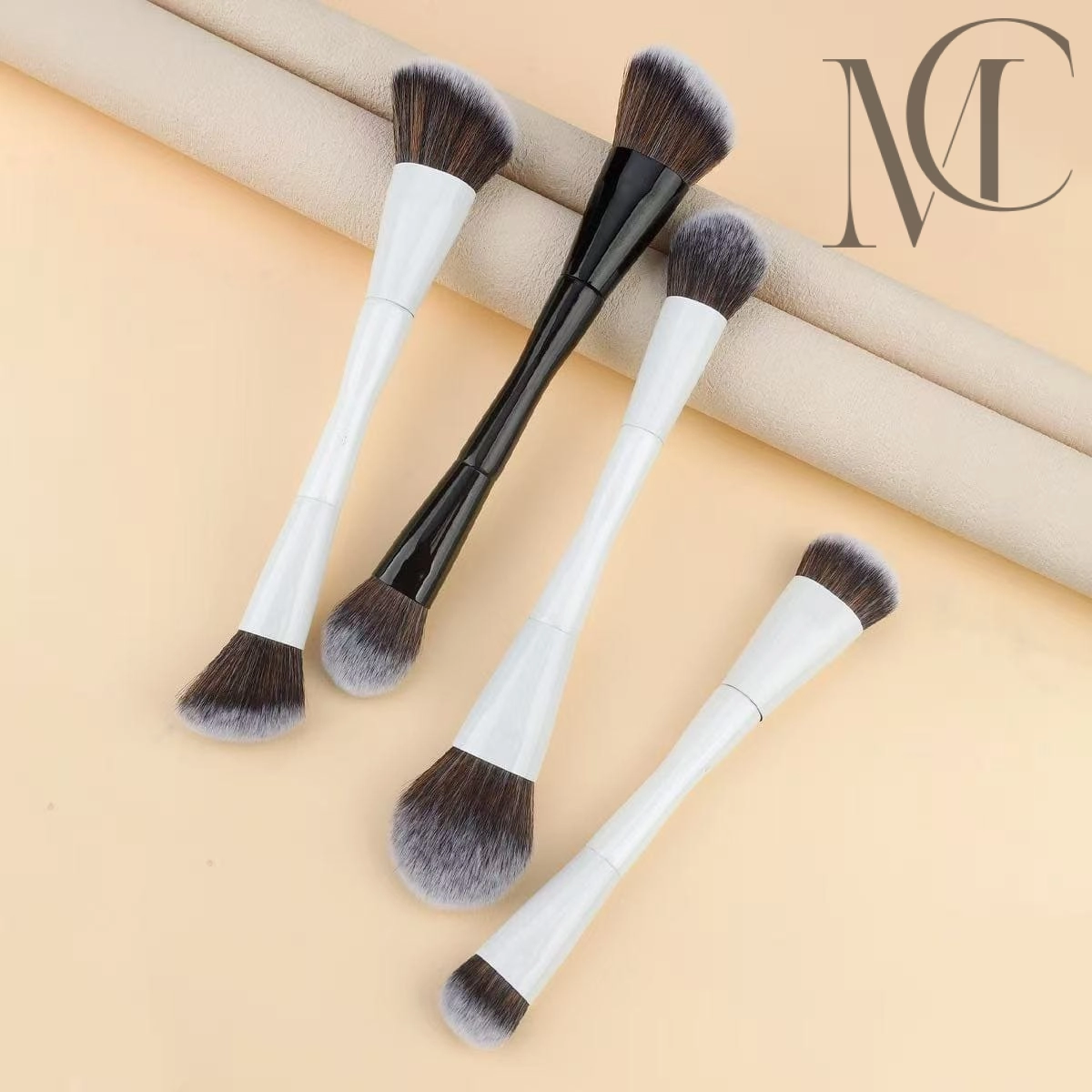
Dual-Ended Foundation & Contour Brush | 2-in-1 OEM Private Label
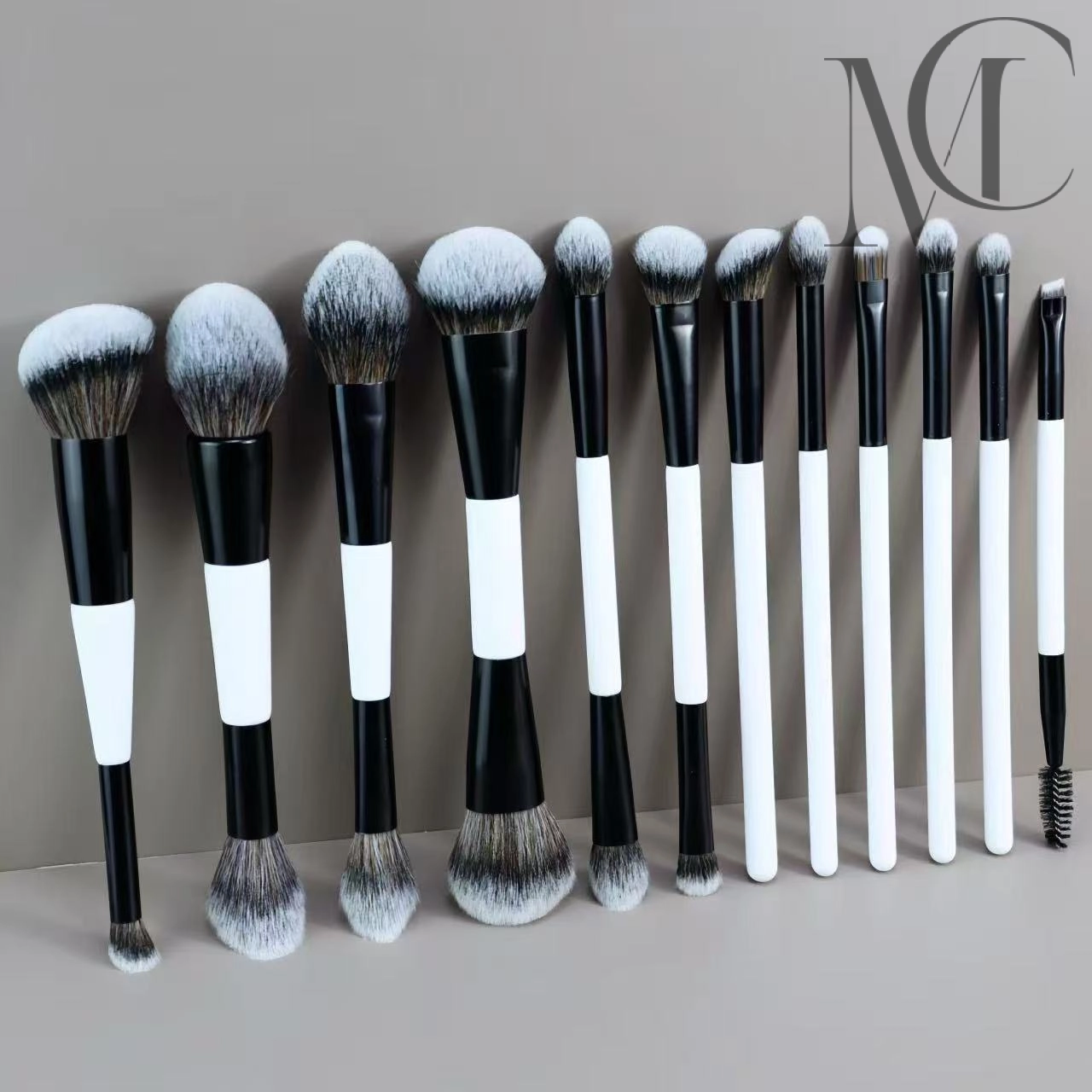
Private Label 12-Piece / 19-Head Dual-Ended Pro Makeup Brush Set | OEM Customization
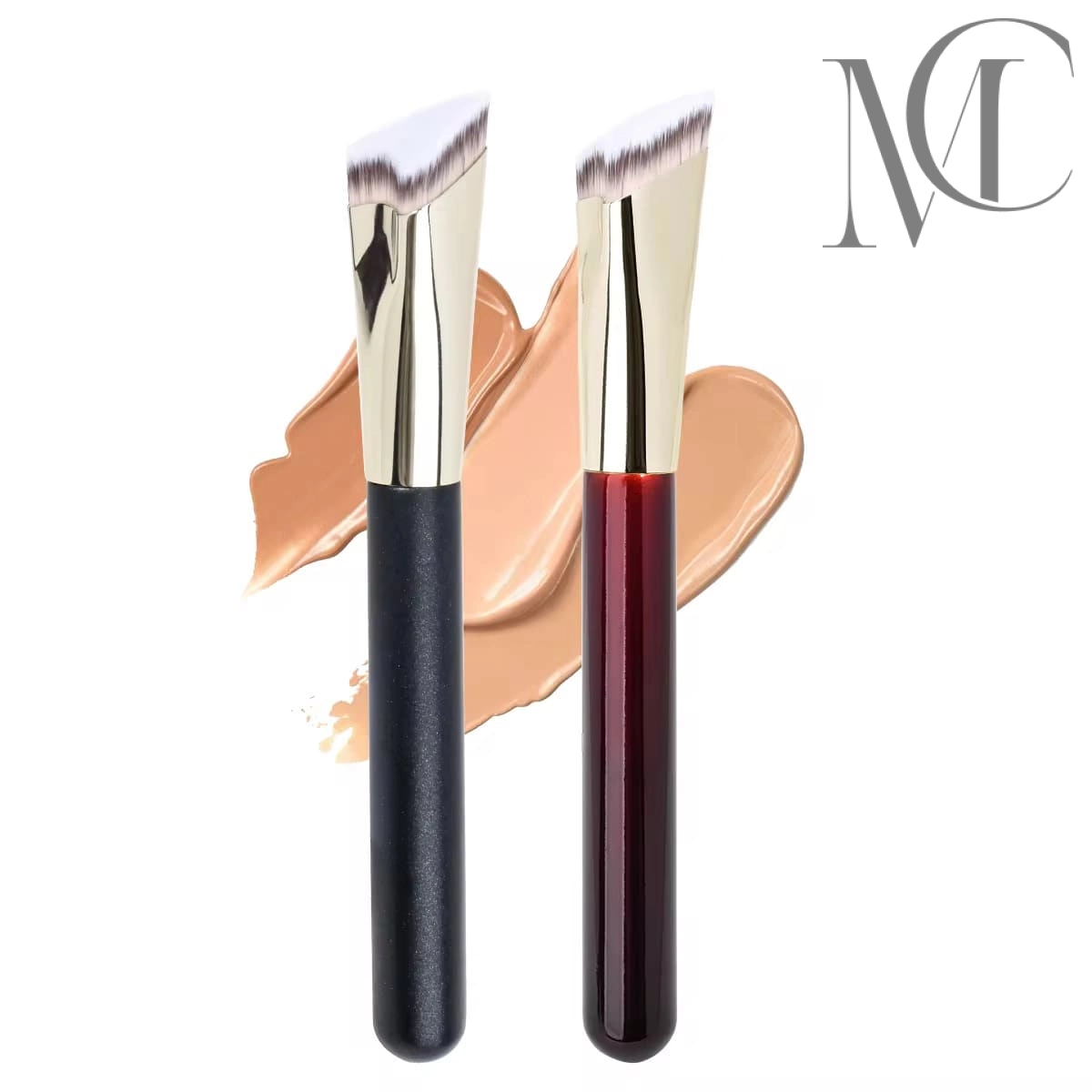
Premium Angle Foundation Brush with Synthetic Hair & Thickened Aluminum Ferrule, Elegant Wooden Handle
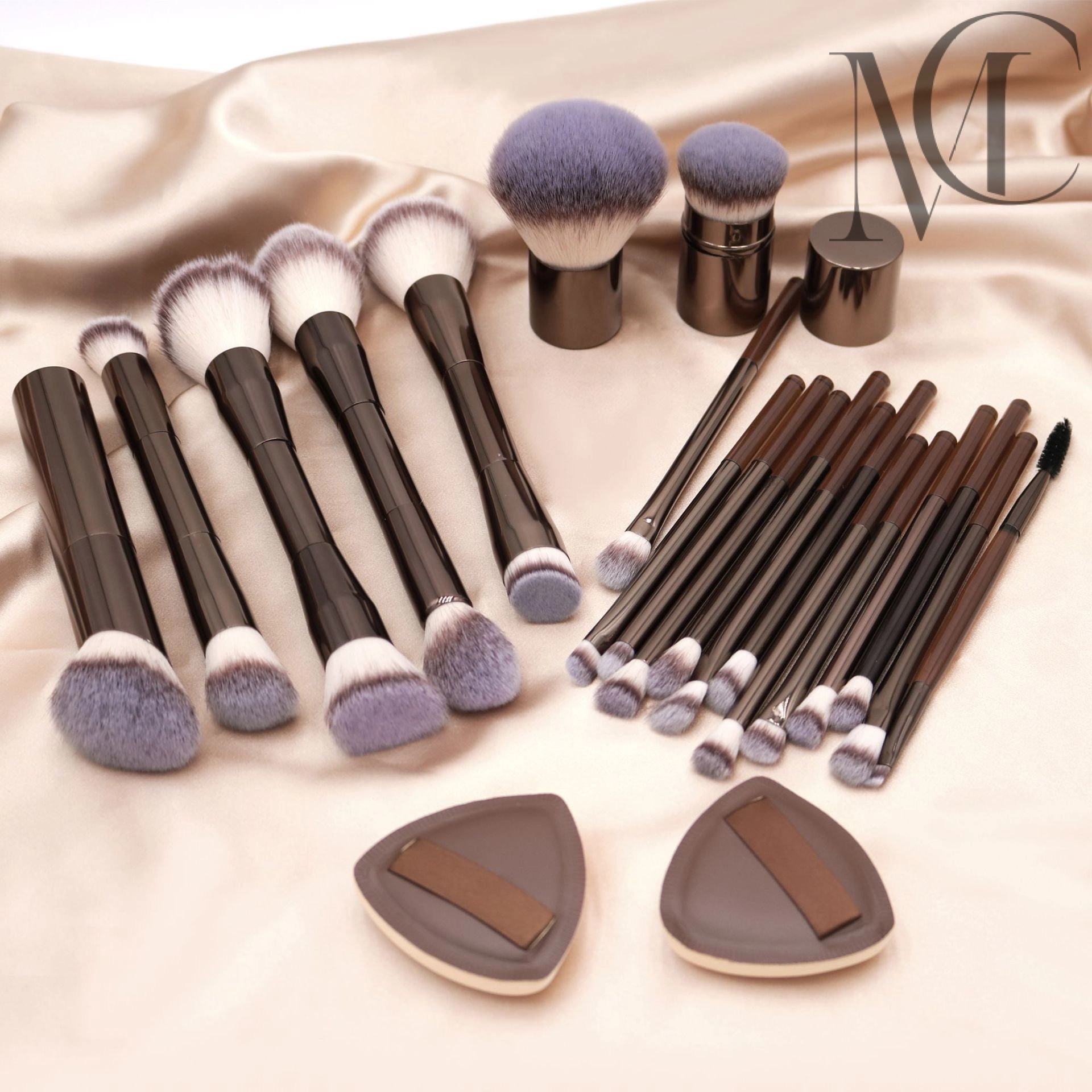
22-Piece Professional Makeup Brush Set| Brown Luxury Series | OEM Private Label Ready | Wholesale Cosmetic Brush Manufacturer
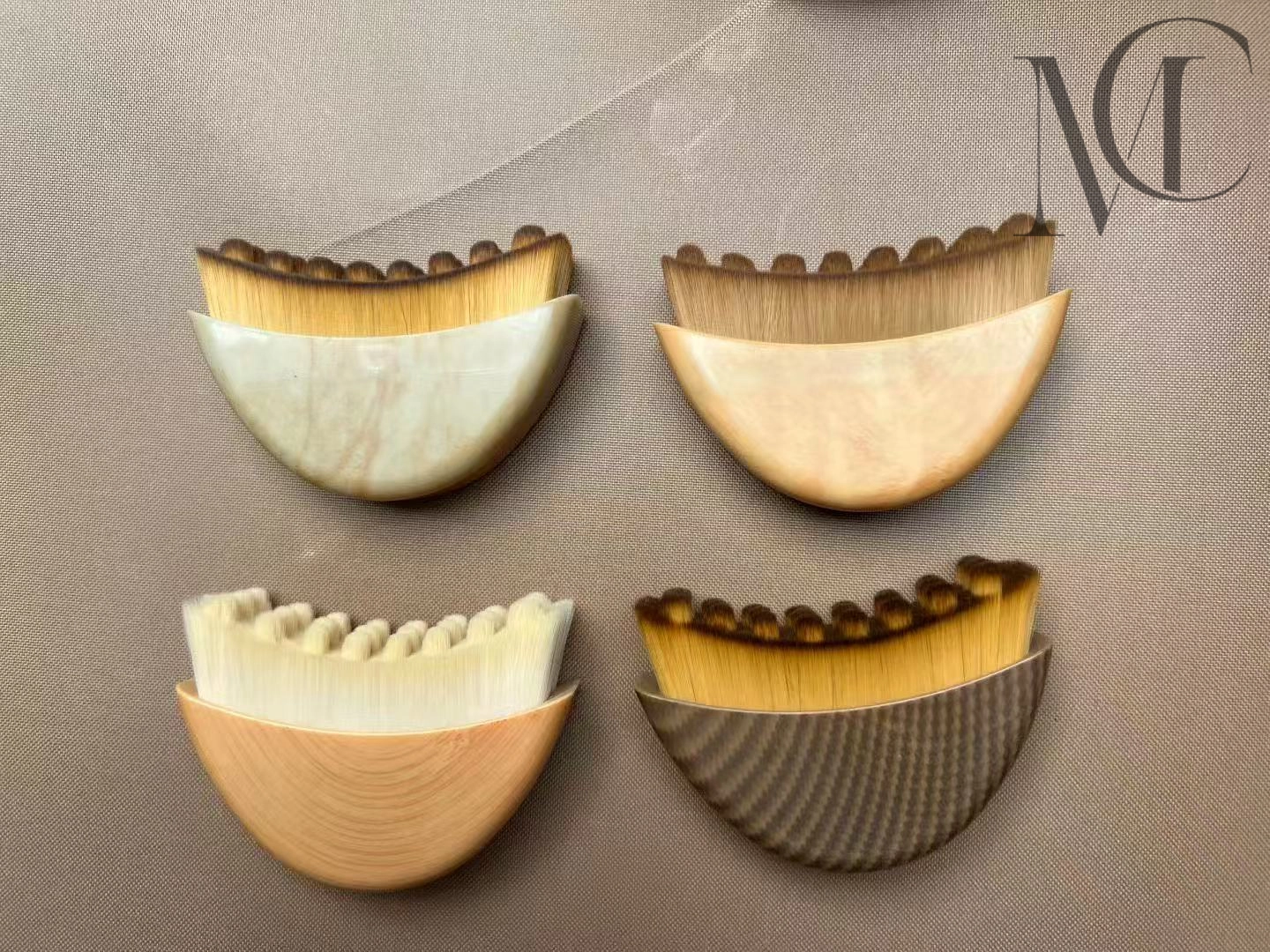
Premium Lymphatic Contour Facial Brush | Popular Makeup Brush Manufacturers
Prdoucts Categories
FAQ
For Customization
Can you comply with our brand's strict chemical testing requirements (e.g., REACH, RoHS)?
-
-
Yes. We source certified raw materials and use eco-friendly, non-toxic adhesives and paints that pass strict international chemical compliance tests.
-
-
What materials are used in MECO makeup brushes?
We use a wide variety of high-quality materials, including synthetic fibers (PBT, nylon) and natural hair (such as goat or pony hair) depending on your preference.
Our handles and ferrules are made from durable, eco-friendly materials with customizable finishes to match your brand aesthetics.
How do you ensure quality control?
Quality is our top priority. Each brush goes through multiple inspection stages — checking bristle density, hair shedding, glue strength, handle balance, and overall finish — before shipping.
We guarantee each piece meets international standards and your brand’s expectations.
How do I pay?
Trade Assurance Order, Western Union, PayPal, T/T, L/C, D/A, MoneyGram.
How long does it take to produce custom makeup brushes?
Production time depends on your order details and customization requirements.
Typically, it takes 15–30 days after sample approval for bulk production.
If you have a specific deadline or launch date, we can create a tailored schedule to meet your timeline.
More Insights from an Expert Cosmetic Brush Manufacturer
Dive deeper into the engineering secrets, material guides, and OEM supply chain strategies that help global beauty brands build their next best-sellers.

Hero SKU vs. Full Set: How to Build the Right Product Mix for Your Makeup Brush Brand
A lot of brand owners conflate two separate decisions when thinking about their product line: product structure and sales strategy. Untangling them makes everything clearer.
This guide explores the supply chain and commercial logic behind single hero brushes versus complete brush sets, helping you structure a product mix that maximizes Average Order Value (AOV), minimizes inventory risk, and builds a defensible luxury makeup brushes private label brand.
04/08/2026
Details ››

Skincare Applicators & Spa Brushes: The Next Big OEM Growth Category for Beauty Brands (2026)
The global spa and wellness market is projected to reach $6.6 trillion by 2025.
The professional skincare tools segment is growing at twice the rate of makeup brushes.
Most cosmetic brush brands have not noticed yet.
The ones that have are quietly launching skincare applicator lines that command retail price points 40% to 60% higher than equivalent makeup brushes—with lower competitive saturation and stronger repeat purchase rates.
This is your manufacturing guide to the category before it gets crowded.
04/06/2026
Details ››

Eco-Friendly Makeup Brushes: The Complete OEM Sourcing Guide for Sustainable Beauty Brands (2026)
In 2024, the EU banned over 2,400 chemical substances from cosmetic products. In 2025, major US retailers began requiring sustainability documentation from all new beauty tool suppliers. In 2026, your customer is reading your material list before they read your price.
The question is no longer whether your brush brand needs a sustainability strategy. The question is whether your current manufacturer can actually deliver one.
Sustainability in makeup brushes is no longer a niche positioning play for indie clean beauty brands. It is a baseline sourcing requirement being driven simultaneously by three forces:
→ Retail buyers at Sephora, Target, and major EU chains now require ESG documentation from suppliers
→ EU and US regulations are actively restricting virgin plastics and non-compliant chemical finishes
→ Millennial and Gen Z consumers—now the dominant beauty purchasing demographic—treat sustainability as a non-negotiable brand filter
This guide gives you the practical, technical framework for building a genuinely eco-friendly makeup brush line—covering materials, production standards, certifications, packaging, and what to actually ask your cosmetic brush manufacturer before placing an order.
04/05/2026
Details ››

B2B Sourcing Guide: How to Transition to a New Cosmetic Brush Factory Without Supply Chain Risks
Switching cosmetic brush suppliers without supply chain disruption is possible. Meco's B2B guide covers the 4-step transition roadmap, shedding prevention, and pilot run strategy. MOQ from 500 units. Factory-direct Shenzhen.
03/24/2026
Details ››

Beyond Synthetic: How a Vegan Makeup Brushes Manufacturer Crafts Professional-Grade Tools (2026 Edition)
True vegan brush manufacturing goes beyond synthetic bristles — it requires auditing adhesives, handle coatings, and every hidden component. Meco's complete B2B guide covers materials, certification, and sourcing strategy. Factory-direct from Shenzhen.
03/12/2026
Details ››

The Complete Technical Guide to Eco-Friendly Makeup Brushes (2026 OEM Specification)
Eco-friendly brushes require more than a bamboo handle. Meco's OEM engineering guide covers FSC, PCR, bristle specs, and retail compliance for Sephora, EU & Amazon. MOQ 500 units. Factory-direct Shenzhen.
03/02/2026
Details ››
Request Sample
Request a sample today, and our team will arrange fast delivery, helping you evaluate our materials and craftsmanship.

Contact Information


+86 133 9214 4121

Baolong Subdistrict, Longgang District, Shenzhen City, Guangdong Province, Nanyue, Dalang, North District
Add our WhatsApp
+86 133 9214 4121
Direct factory supplier of premium makeup brushes, offering small to large-scale customization.
Quick Links
• Tel: +86 13392144121
• Add: Baolong Subdistrict, Longgang District, Shenzhen City, Guangdong Province; Nanyue Dalang North District