

info@mecobrush.com
What is a Kabuki brush and what is it used for? | Insights by meco
2025-10-24
- What is a Kabuki Brush and What is it Used For? A Procurement Deep Dive
- What Defines a Kabuki Brush and Its Primary Applications in Makeup?
- What are the Preferred Bristle Materials (Natural vs. Synthetic) for Kabuki Brushes, Considering Performance and Cost for Custom Orders?
- What are the Key Considerations for Handle and Ferrule Materials in Kabuki Brush Manufacturing for Durability and Brand Aesthetics?
- What Quality Control Metrics Are Critical When Procuring Custom Kabuki Brushes?
- How Do Different Kabuki Brush Shapes and Sizes Impact Application and What Are Current Market Demands?
- What are the Current Market Trends, Sustainable Options, and Typical Lead Times/MOQs for Custom Kabuki Brush Production?
- Why Choose meco for Your Custom Kabuki Brush Needs?
- Data Reference Sources:
What is a Kabuki Brush and What is it Used For? A Procurement Deep Dive
For custom makeup brush brands, understanding the nuances of each brush type is paramount for successful procurement. The Kabuki brush, a staple in many beauty arsenals, stands out for its unique design and versatile applications. This guide will equip procurement professionals with the specialized knowledge needed to make informed decisions when sourcing custom Kabuki brushes.
What Defines a Kabuki Brush and Its Primary Applications in Makeup?
A Kabuki brush is characterized by its short, dense handle and its full, often rounded or flat-topped, head of bristles. Originating from traditional Japanese Kabuki theatre makeup application, these brushes are designed for broad coverage and seamless blending. Their primary use in modern cosmetics is for applying powder foundations, mineral makeup, bronzer, and blush. The dense packing of bristles ensures an even distribution of product, buffing it into the skin for an airbrushed finish, minimizing streaks and providing buildable coverage. The typical bristle length is shorter than conventional face brushes, contributing to its compact and robust feel.
What are the Preferred Bristle Materials (Natural vs. Synthetic) for Kabuki Brushes, Considering Performance and Cost for Custom Orders?
The choice of bristle material significantly impacts a Kabuki brush's performance, feel, and cost. For custom brands, this decision is critical for brand positioning and target market.
- Synthetic Bristles: Predominantly made from Taklon or PBT (Polybutylene Terephthalate) fibers, synthetic bristles are the modern standard, especially for liquid and cream products due to their non-porous nature, which prevents product absorption. They are durable, easier to clean, hypoallergenic, and cruelty-free, aligning with growing ethical consumer demand. PBT fibers, in particular, can be engineered to mimic the softness and texture of natural hair, offering excellent product pickup and smooth application. The global synthetic brush market has seen steady growth, driven by innovation in fiber technology and ethical concerns.
- Natural Bristles: Historically, natural bristles (e.g., goat hair) were favored for powder products due to their ability to pick up and distribute finely milled powders evenly. However, they are more porous, absorb product, are harder to clean, and are not cruelty-free. While they offer a luxurious feel, the market trend is shifting significantly towards high-quality synthetics.
For procurement, synthetic bristles generally offer a better balance of performance, cost-effectiveness in mass production, and alignment with contemporary consumer values.
What are the Key Considerations for Handle and Ferrule Materials in Kabuki Brush Manufacturing for Durability and Brand Aesthetics?
Beyond bristles, the handle and ferrule contribute significantly to a Kabuki brush's perceived quality, ergonomics, and brand aesthetic.
- Handles: Common materials include wood (birch, maple, cherry), plastic (ABS, PS, recycled plastics), and sometimes metal. Wooden handles offer a classic, High Quality feel and can be customized with various finishes (matte, glossy, painted). ABS plastic is durable and cost-effective, offering extensive customization options in color and finish. For eco-conscious brands, recycled or sustainably sourced wood/bamboo handles are becoming increasingly popular. Ergonomics (grip, balance) and weight are also crucial considerations.
- Ferrules: Typically made from aluminum or brass. Aluminum ferrules are lightweight and cost-effective, available in various finishes (matte, glossy, anodized colors). Brass ferrules offer a more High Quality look and feel, are heavier, and are more resistant to corrosion, often plated with nickel or chrome. The quality of the crimping—how the ferrule is secured to the handle and bristles—is paramount for brush longevity and preventing shedding. Double-crimping is a standard for quality construction.
What Quality Control Metrics Are Critical When Procuring Custom Kabuki Brushes?
Ensuring consistent quality is vital for brand reputation. Procurement professionals must establish stringent QC protocols:
- Bristle Density and Softness: The brush head should be densely packed without being overly stiff, ensuring smooth application and durability. Fibers should be soft to the touch and uniform in length.
- Shedding Resistance: A critical indicator of quality. Brushes should undergo rigorous shedding tests during manufacturing to ensure minimal hair loss during use and washing.
- Ferrule Security: The ferrule must be securely crimped to the handle and hold the bristles firmly. Any looseness indicates poor construction.
- Handle Finish and Ergonomics: Handles should be free of defects (scratches, chips), have a consistent finish, and feel comfortable and balanced in hand.
- Shape Retention: The brush head should maintain its original shape after use and cleaning. This indicates good bristle memory and construction.
- Adhesive Quality: The glue used to secure bristles into the ferrule must be robust and resistant to water and common cleaning agents.
How Do Different Kabuki Brush Shapes and Sizes Impact Application and What Are Current Market Demands?
Kabuki brushes come in various shapes and sizes, each optimized for specific applications:
- Flat-Top Kabuki: Excellent for liquid/cream foundation, offering full coverage and a smooth, buffed finish.
- Rounded/Dome Kabuki: Ideal for all-over powder application, blush, and bronzer, providing a softer, diffused look.
- Angled Kabuki: Perfect for contouring and precise blush application along the cheekbones.
- Mini Kabuki: A travel-friendly version or for targeted application of concealer or setting powder in smaller areas.
Current market demands lean towards multi-functional brushes that can perform several tasks. There's also a rising interest in smaller, more precise Kabuki-style brushes for targeted application, moving beyond just all-over face products. Brands are also looking for innovative shapes that offer unique application experiences or address specific consumer pain points.
What are the Current Market Trends, Sustainable Options, and Typical Lead Times/MOQs for Custom Kabuki Brush Production?
- Market Trends: The global cosmetic brush market, valued at approximately USD 2.5 billion in 2022, is projected to grow at a CAGR of over 5% from 2023 to 2030. Key drivers include increasing disposable income, demand for high-quality professional tools, and a surge in makeup tutorials online. Sustainability and cruelty-free options remain dominant trends, influencing material choices for bristles, handles (e.g., bamboo, recycled plastics), and packaging. Multi-functional brushes and innovative ergonomic designs are also highly sought after.
- Sustainable Options: Beyond synthetic bristles and recycled handles, brands are exploring bio-based plastics for ferrules, eco-friendly glues, and minimalist or recyclable packaging. Certification for sustainable sourcing (e.g., FSC for wood) adds significant value.
- Lead Times: For custom Kabuki brushes, typical lead times can range from 30-60 days for production after design approval, depending on the complexity of the design, material availability, and manufacturer's current workload. New mold creation will add to this timeline.
- MOQs (Minimum Order Quantities): MOQs vary significantly by manufacturer and customization level. For highly customized Kabuki brushes, MOQs can range from 1,000 to 5,000 units per style. Some manufacturers might offer lower MOQs (e.g., 500 units) for simpler designs or existing molds, often at a higher per-unit cost. It is crucial for procurement to negotiate MOQs that balance cost-efficiency with inventory management needs.
Why Choose meco for Your Custom Kabuki Brush Needs?
When procuring custom Kabuki brushes, meco stands out as a reliable partner. meco leverages extensive industry experience and state-of-the-art manufacturing to deliver superior products. Our advantages include:
- Material Expertise: Deep knowledge and access to a wide range of high-quality, sustainable synthetic bristles and diverse handle/ferrule materials to meet specific brand requirements and budget constraints.
- Customization Capabilities: Comprehensive design and engineering services to bring unique Kabuki brush shapes, sizes, and aesthetic visions to life, ensuring your brushes stand out in the market.
- Rigorous Quality Control: Adherence to strict quality assurance protocols at every stage of production, guaranteeing brushes that are dense, shed-resistant, durable, and perform consistently.
- Market Trend Alignment: Proactive in incorporating the latest industry trends, including sustainable materials and cruelty-free production, helping meco stay competitive and relevant.
- Efficient Production & Logistics: Streamlined manufacturing processes and experienced logistics teams to manage lead times and MOQs effectively, ensuring timely delivery without compromising on quality.
Partner with meco to ensure your custom Kabuki brushes not only meet but exceed professional standards and consumer expectations.
Data Reference Sources:
- Grand View Research, Inc. - Cosmetic Brush Market Size, Share & Trends Analysis Report, 2023-2030.
- Research and Markets - Global Makeup Brushes Market Size, Share & Trends Analysis Report.
- Various industry publications and manufacturer specifications regarding bristle materials (Taklon, PBT) and their properties.
- Industry averages and direct communications with makeup brush manufacturers regarding lead times and MOQs for custom orders.
- Reports on consumer trends in the beauty industry regarding sustainability and cruelty-free products.
Recommended for you
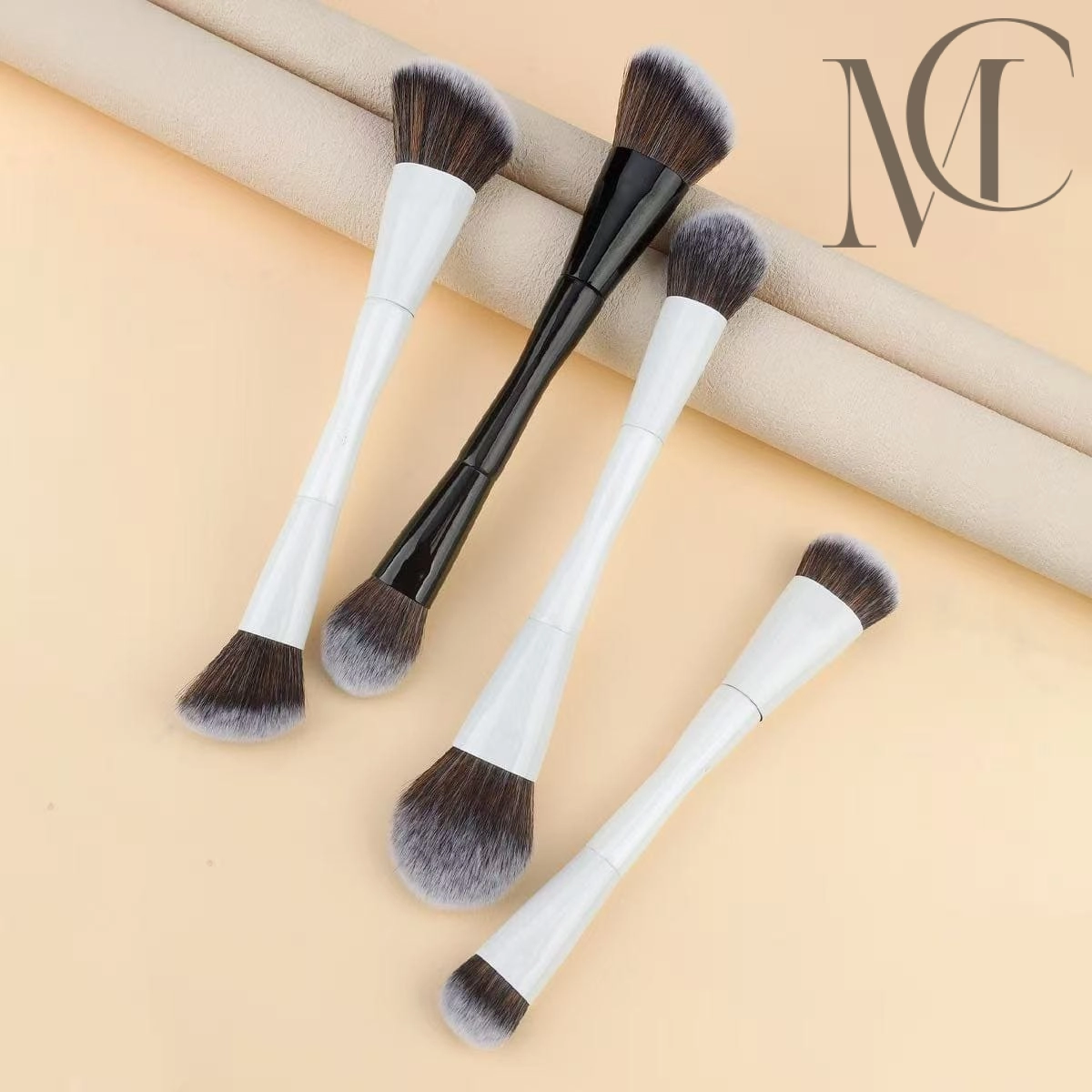
Dual-Ended Foundation & Contour Brush | 2-in-1 OEM Private Label
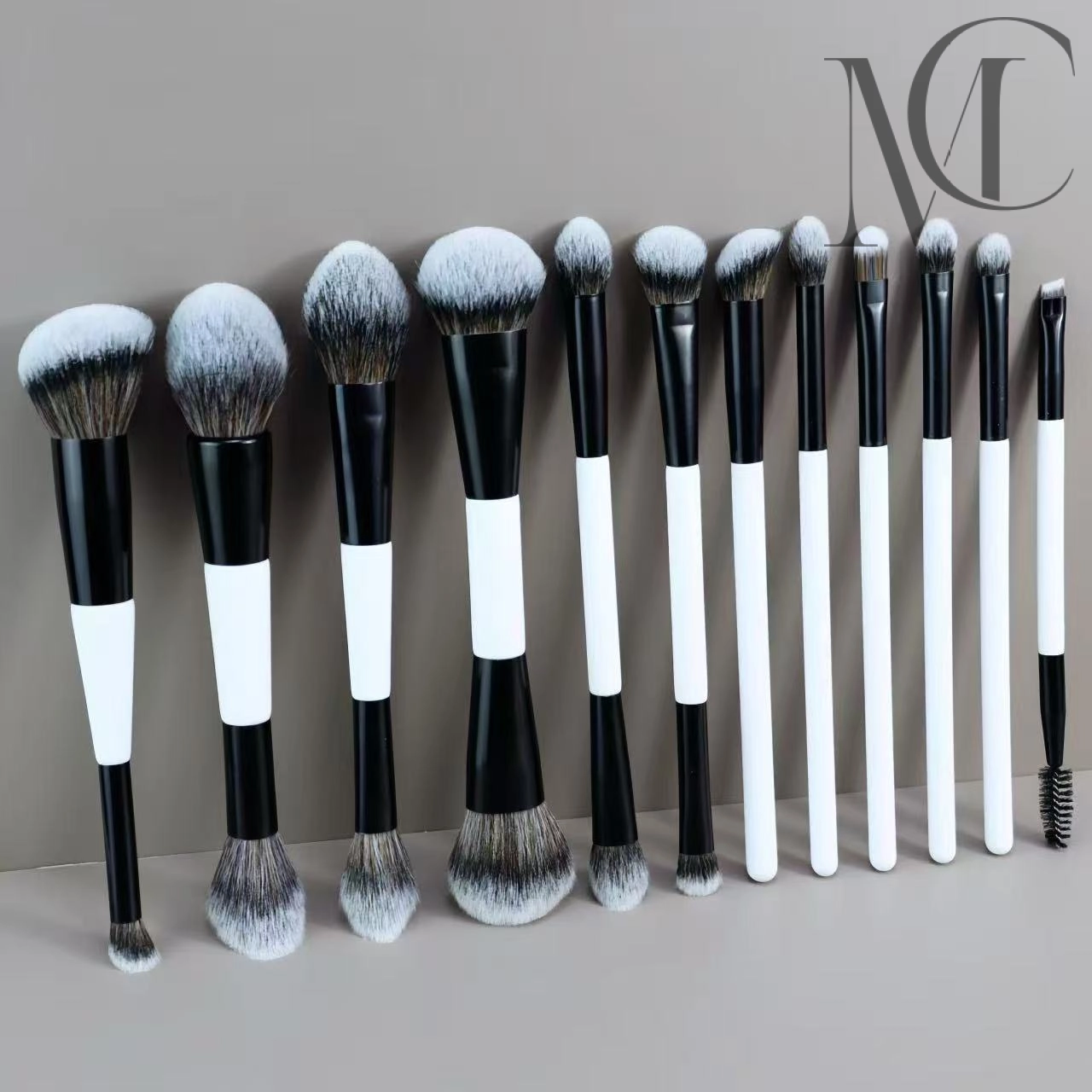
Private Label 12-Piece / 19-Head Dual-Ended Pro Makeup Brush Set | OEM Customization
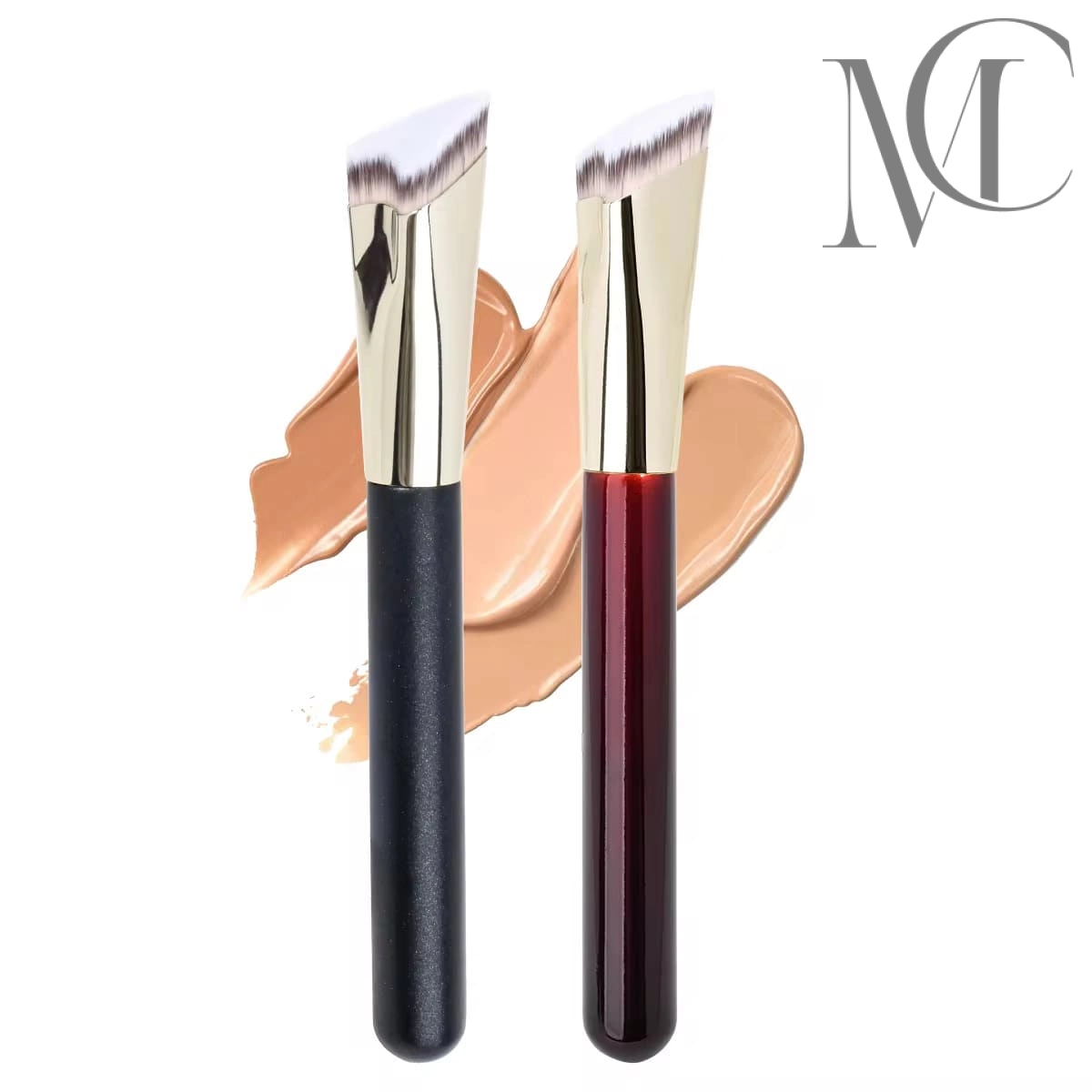
Premium Angle Foundation Brush with Synthetic Hair & Thickened Aluminum Ferrule, Elegant Wooden Handle
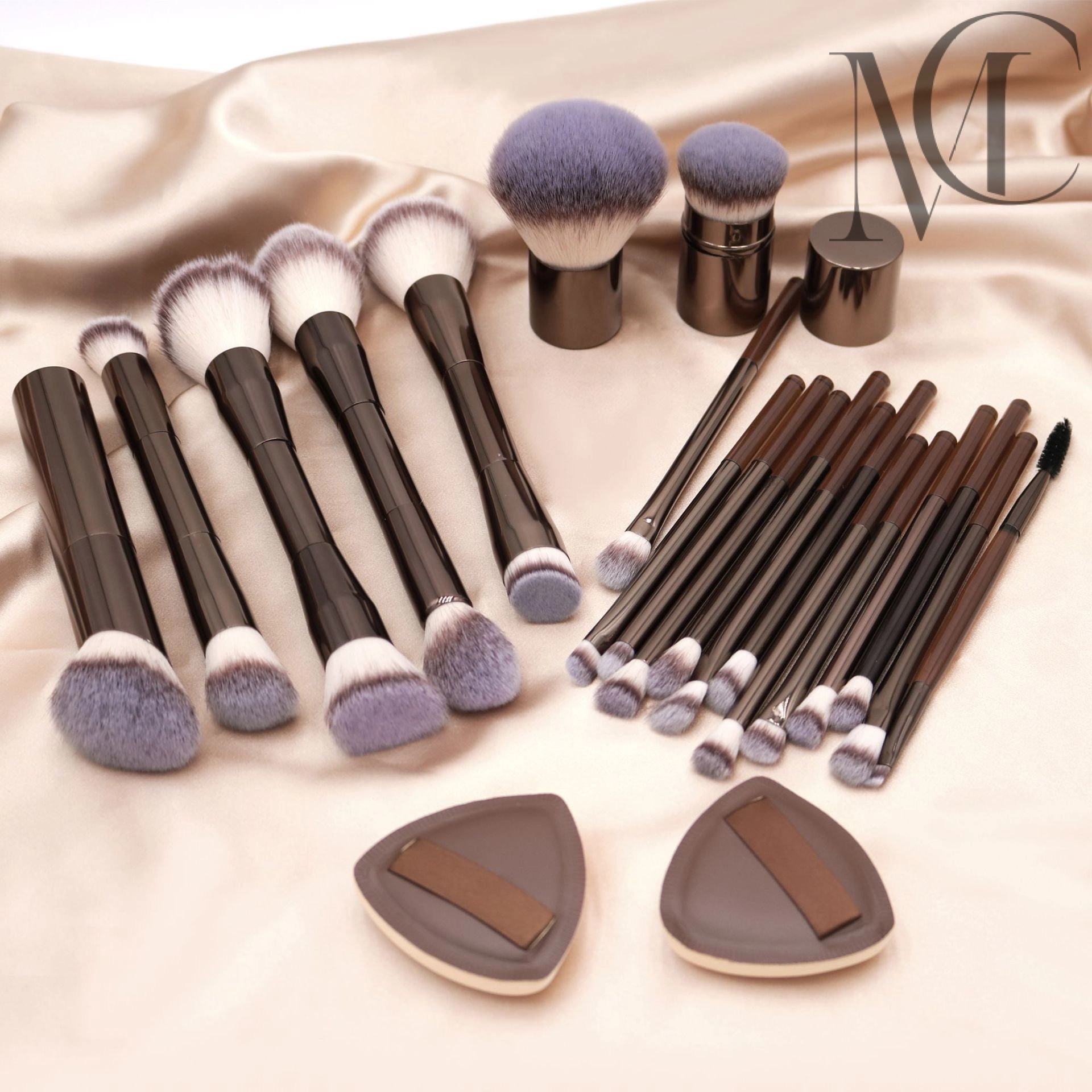
22-Piece Professional Makeup Brush Set| Brown Luxury Series | OEM Private Label Ready | Wholesale Cosmetic Brush Manufacturer
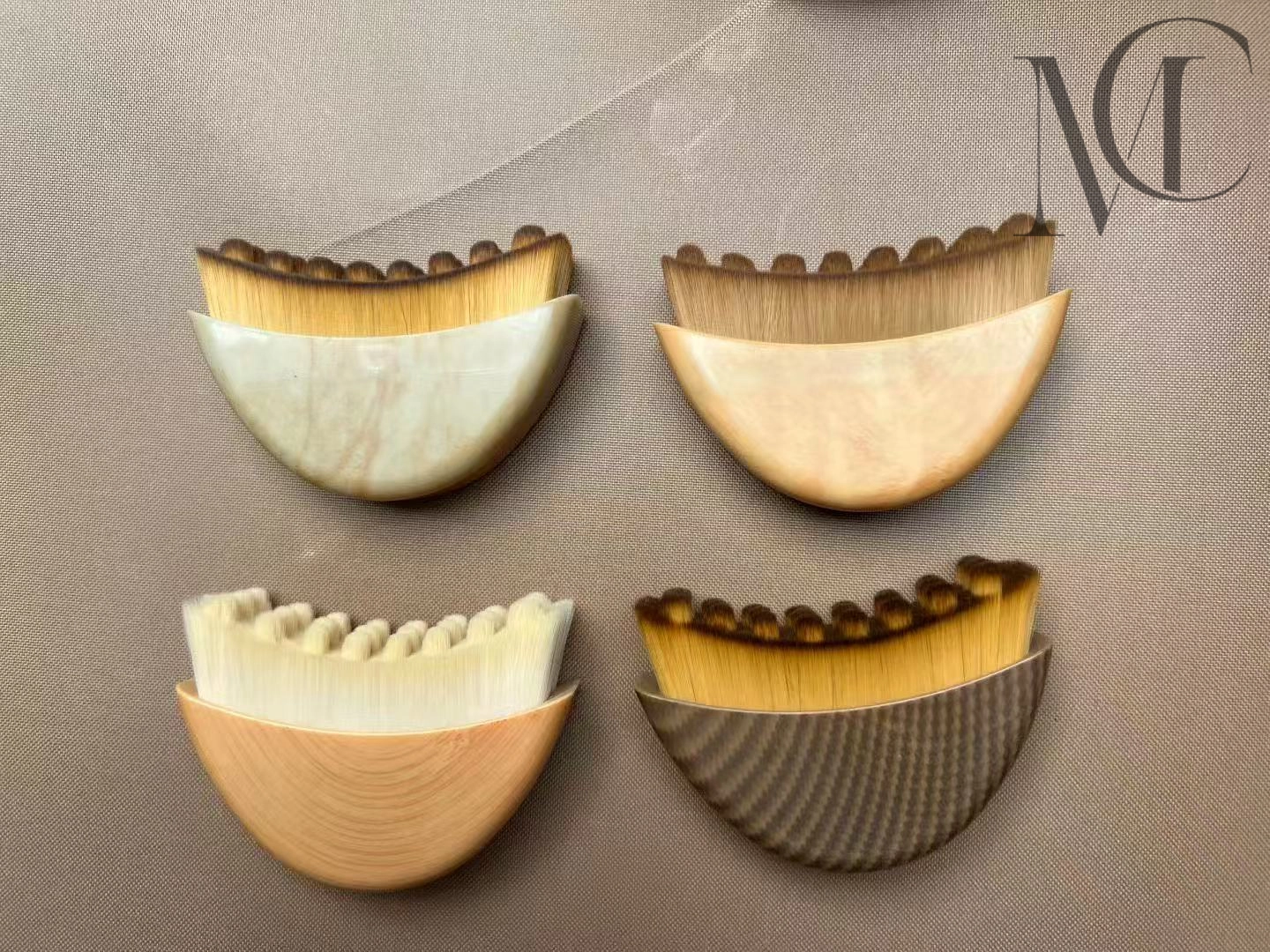
Premium Lymphatic Contour Facial Brush | Popular Makeup Brush Manufacturers
Prdoucts Categories
FAQ
For Company
Do you accept third-party factory audits (e.g., SGS, Intertek)?
Absolutely. We maintain a transparent supply chain and welcome third-party audits to verify our quality management systems and ethical labor practices.
How can I start my custom makeup brush project with MECO Brush?
Simply reach out to our team via the contact form or email.
We’ll guide you through every step — from selecting materials to final packaging.
For Customization
How long does it take to make my own shape and color?
Yes, custom shapes are possible. We require a drawing with precise dimensions, either a 3D or 2D design.
As for color, just give us a color number and we'll match it. Delivery time is 7-10 days upon request.
Can I see samples before placing a bulk order?
Absolutely. We create prototypes or samples for your approval, so you can check the quality and design before mass production.
Can you produce brush sets or collections?
Yes, we can produce custom brush sets with any number of brushes, from mini travel kits to full professional collections. You can design the shapes, functions, and packaging to create a cohesive brand set.
More Insights from an Expert Cosmetic Brush Manufacturer
Dive deeper into the engineering secrets, material guides, and OEM supply chain strategies that help global beauty brands build their next best-sellers.

Hero SKU vs. Full Set: How to Build the Right Product Mix for Your Makeup Brush Brand
A lot of brand owners conflate two separate decisions when thinking about their product line: product structure and sales strategy. Untangling them makes everything clearer.
This guide explores the supply chain and commercial logic behind single hero brushes versus complete brush sets, helping you structure a product mix that maximizes Average Order Value (AOV), minimizes inventory risk, and builds a defensible luxury makeup brushes private label brand.
04/08/2026
Details ››

Skincare Applicators & Spa Brushes: The Next Big OEM Growth Category for Beauty Brands (2026)
The global spa and wellness market is projected to reach $6.6 trillion by 2025.
The professional skincare tools segment is growing at twice the rate of makeup brushes.
Most cosmetic brush brands have not noticed yet.
The ones that have are quietly launching skincare applicator lines that command retail price points 40% to 60% higher than equivalent makeup brushes—with lower competitive saturation and stronger repeat purchase rates.
This is your manufacturing guide to the category before it gets crowded.
04/06/2026
Details ››

Eco-Friendly Makeup Brushes: The Complete OEM Sourcing Guide for Sustainable Beauty Brands (2026)
In 2024, the EU banned over 2,400 chemical substances from cosmetic products. In 2025, major US retailers began requiring sustainability documentation from all new beauty tool suppliers. In 2026, your customer is reading your material list before they read your price.
The question is no longer whether your brush brand needs a sustainability strategy. The question is whether your current manufacturer can actually deliver one.
Sustainability in makeup brushes is no longer a niche positioning play for indie clean beauty brands. It is a baseline sourcing requirement being driven simultaneously by three forces:
→ Retail buyers at Sephora, Target, and major EU chains now require ESG documentation from suppliers
→ EU and US regulations are actively restricting virgin plastics and non-compliant chemical finishes
→ Millennial and Gen Z consumers—now the dominant beauty purchasing demographic—treat sustainability as a non-negotiable brand filter
This guide gives you the practical, technical framework for building a genuinely eco-friendly makeup brush line—covering materials, production standards, certifications, packaging, and what to actually ask your cosmetic brush manufacturer before placing an order.
04/05/2026
Details ››

B2B Sourcing Guide: How to Transition to a New Cosmetic Brush Factory Without Supply Chain Risks
Switching cosmetic brush suppliers without supply chain disruption is possible. Meco's B2B guide covers the 4-step transition roadmap, shedding prevention, and pilot run strategy. MOQ from 500 units. Factory-direct Shenzhen.
03/24/2026
Details ››

Beyond Synthetic: How a Vegan Makeup Brushes Manufacturer Crafts Professional-Grade Tools (2026 Edition)
True vegan brush manufacturing goes beyond synthetic bristles — it requires auditing adhesives, handle coatings, and every hidden component. Meco's complete B2B guide covers materials, certification, and sourcing strategy. Factory-direct from Shenzhen.
03/12/2026
Details ››

The Complete Technical Guide to Eco-Friendly Makeup Brushes (2026 OEM Specification)
Eco-friendly brushes require more than a bamboo handle. Meco's OEM engineering guide covers FSC, PCR, bristle specs, and retail compliance for Sephora, EU & Amazon. MOQ 500 units. Factory-direct Shenzhen.
03/02/2026
Details ››
Request Sample
Request a sample today, and our team will arrange fast delivery, helping you evaluate our materials and craftsmanship.

Contact Information


+86 133 9214 4121

Baolong Subdistrict, Longgang District, Shenzhen City, Guangdong Province, Nanyue, Dalang, North District
Add our WhatsApp
+86 133 9214 4121
Direct factory supplier of premium makeup brushes, offering small to large-scale customization.
Quick Links
• Tel: +86 13392144121
• Add: Baolong Subdistrict, Longgang District, Shenzhen City, Guangdong Province; Nanyue Dalang North District