
info@mecobrush.com
2026 Global Makeup Brush Trends White Paper
2026-01-09
- 1. Material Revolution: From “Plant-Based” to Bio-Based & Biomimetic Engineering
- 2. Design Evolution: Skinimalism Drives “One-Brush-Multiple-Uses”
- 3. Technology-Driven Value: Hygiene, Safety, and Durability
- 4. Commercial Strategy: How to Win the 2026 Market
- Conclusion: Your Vision, Our Craftsmanship
- FAQ: Manufacturing Trends & Customization
As the global beauty market enters an era defined by Skinimalism and Sensorial Tech, makeup brushes are no longer simple application tools. They have evolved into strategic brand assets—carriers of sustainability values, performance innovation, and sensory experience.
For any forward-looking cosmetic brush manufacturer or beauty brand, understanding these shifts is critical. This white paper, prepared by MECO Brush—a specialized OEM makeup brush manufacturer—analyzes four key trends shaping the industry in 2026. We offer actionable insights for partners, brand owners, and wholesalers seeking long-term growth.
1. Material Revolution: From “Plant-Based” to Bio-Based & Biomimetic Engineering
By 2026, consumer expectations around "vegan" beauty will have evolved. Brands need high-performance alternatives that rival natural materials.
-
Bionic Fiber Technology (The New Standard) Traditional synthetic fibers are no longer sufficient. Advanced bionic fibers are designed to replicate the cuticle structure of natural goat hair.
The Manufacturer’s Edge: As a top-tier cosmetic brush manufacturer, MECO utilizes next-generation fibers that deliver superior powder pickup while remaining 100% animal-friendly.
-
Sustainable Handle Materials & PCR Conventional plastics are rapidly being replaced by Coffee-ground composites, Wheat straw, and PCR (Post-Consumer Recycled) materials.
-
Why it matters: Sourcing from an environmentally conscious OEM makeup brush manufacturer allows brands to substantiate their sustainability claims with certified materials.
-
-
Recycled Aluminum Ferrules In 2026, recyclable aluminum ferrules will become a standard requirement for premium private label lines.
2. Design Evolution: Skinimalism Drives “One-Brush-Multiple-Uses”
Consumers are moving away from complex routines toward efficient, multifunctional beauty tools.
-
Hybrid Multi-Use Brushes Demand is rising for innovative shapes capable of handling foundation, concealer, and contouring with a single tool.
-
Strategy: Work with your OEM makeup brush manufacturer to develop custom molds that combine multiple functions (e.g., double-ended or angled hybrid heads) to meet this trend.
-
-
Ergonomics and Grip Performance Weighted handles and anti-slip coatings significantly improve control. Design is no longer just visual; it is tactile.
-
Travel-Ready Sets Compact, travel-friendly brush sets with protective cases are becoming retail bestsellers as global travel rebounds.
3. Technology-Driven Value: Hygiene, Safety, and Durability
-
Antimicrobial Bristles Post-pandemic hygiene standards remain high. Antimicrobial fibers infused with silver ions are becoming a key differentiator.
-
Compatibility with Smart Cleaning Devices Modern consumers expect brushes to withstand automated cleaning.
Engineering Insight: Durability depends on the glue. As an experienced cosmetic brush manufacturer, MECO employs industrial-grade, chemically resistant adhesives to ensure brush heads withstand ultrasonic cleaning without shedding.
4. Commercial Strategy: How to Win the 2026 Market
For makeup brush brands and wholesalers, partnering with the right factory is crucial. MECO recommends focusing on:
-
Agile Manufacturing (Low-MOQ Customization) Fast iteration is essential. Choosing a flexible OEM makeup brush manufacturer allows brands to test trends (like new 2026 colors) quickly while minimizing inventory risk.
-
Transparent Supply Chains: Consumers demand traceability. Ensure your supplier can provide FSC, CE, and material compliance documentation.
-
Visual Aesthetic Upgrades Trending palettes like Cloud Dancer and Digital Violet offer strong inspiration.
Conclusion: Your Vision, Our Craftsmanship
The future of beauty tools belongs to those who combine ethics with engineering.
As a trusted cosmetic brush manufacturer with deep expertise in global market trends, MECO Brush is committed to transforming future-forward concepts into scalable solutions.
Ready to future-proof your product line? If you are looking for a professional OEM makeup brush manufacturer to bring your vision to life, look no further.
👉 [Contact MECO Brush Today]
FAQ: Manufacturing Trends & Customization
Q1: You mentioned "Bionic Fibers" replacing animal hair. How do they compare in actual performance?
A: Bionic fibers are a game-changer. Unlike standard nylon, they are engineered with a textured surface that mimics the cuticles of natural hair. This allows them to pick up powder effectively and blend seamlessly. As a premium cosmetic brush manufacturer, MECO highly recommends these fibers for brands looking to claim "100% Vegan" without sacrificing professional performance.
Q2: Can MECO manufacture the eco-friendly handles (Coffee Grounds/PCR) mentioned in the report?
A: Yes. We have mature supply chains for sustainable materials, including Wheat Straw, Coffee Ground Composites, and Post-Consumer Recycled (PCR) plastics. As a forward-thinking OEM makeup brush manufacturer, we can provide the necessary certifications (like recycled content verification) to support your brand’s sustainability claims.
Q3: I want to develop a "Hybrid Multi-Use" brush. Do you have existing molds, or do I need to pay for a private mold?
A: We offer both options. We have a library of versatile public molds that fit the "multi-use" trend (e.g., angled foundation/contour hybrids). However, if you want a completely unique shape to define your brand, our engineering team can help you design a private mold.
Q4: Are your brushes compatible with electric makeup brush cleaners?
A: Absolutely. We understand that modern consumers use smart cleaning devices. We use industrial-grade, chemically resistant adhesives that secure the bristles firmly within the ferrule. This ensures our brushes withstand the vibration and rotation of automatic cleaners—a standard quality test for any top-tier cosmetic brush manufacturer.
Q5: What is the typical lead time for an OEM project involving these new materials?
A: For standard designs using new eco-materials, production typically takes 35–45 days. For fully custom projects (Private Label), it depends on the complexity of the mold. As your dedicated OEM makeup brush manufacturer, we provide a detailed timeline during the quotation phase to ensuring your launch stays on schedule.
Recommended for you
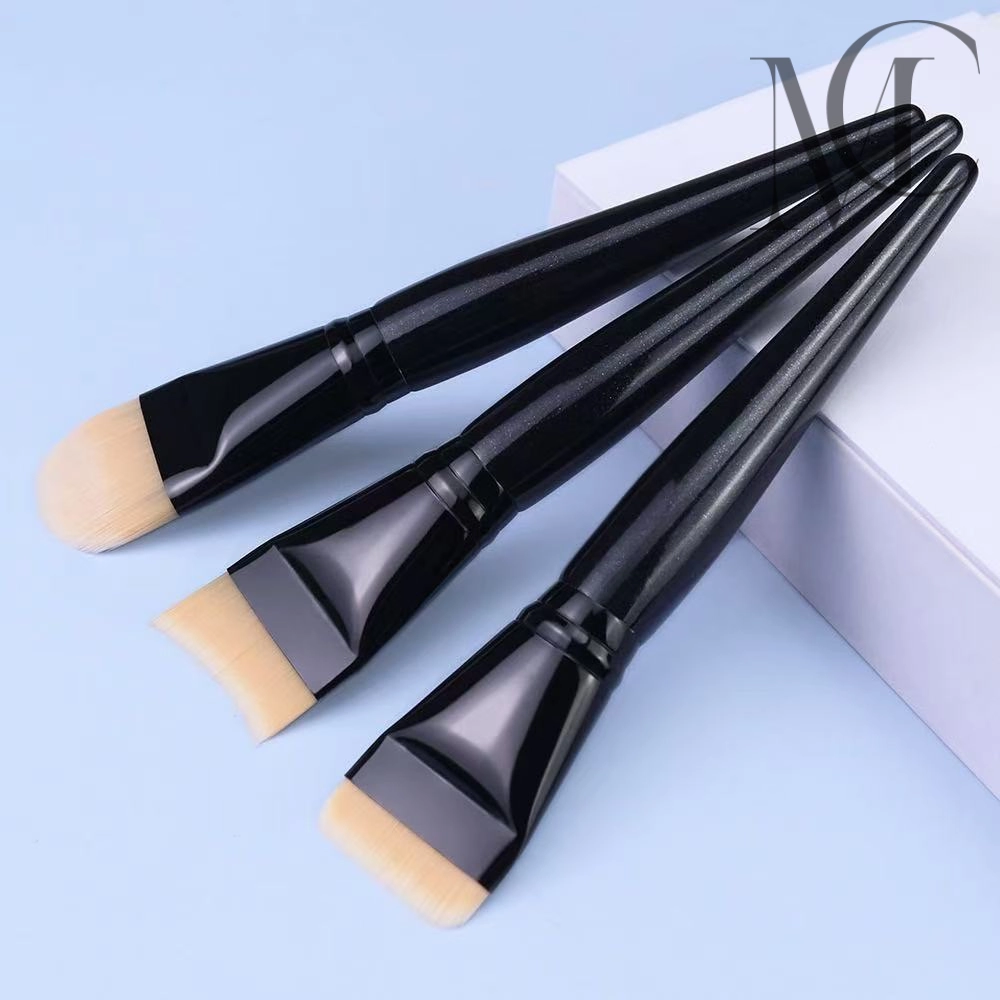
Custom Flat Top Foundation & Face Mask Brush | OEM Cosmetic Brush Manufacturer
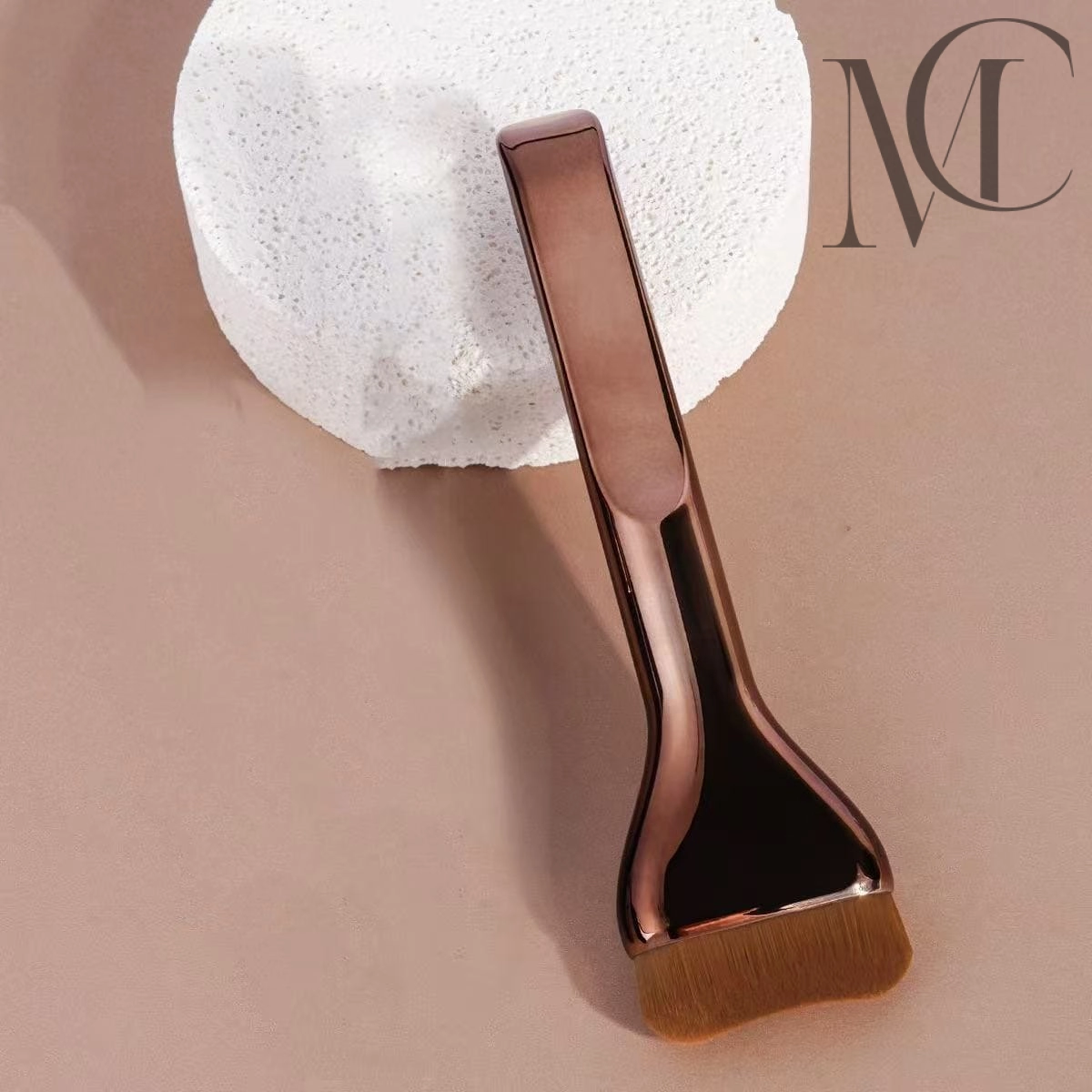
Custom Wave-Shape Contour & Foundation Brush | Ergonomic & Fully Customizable
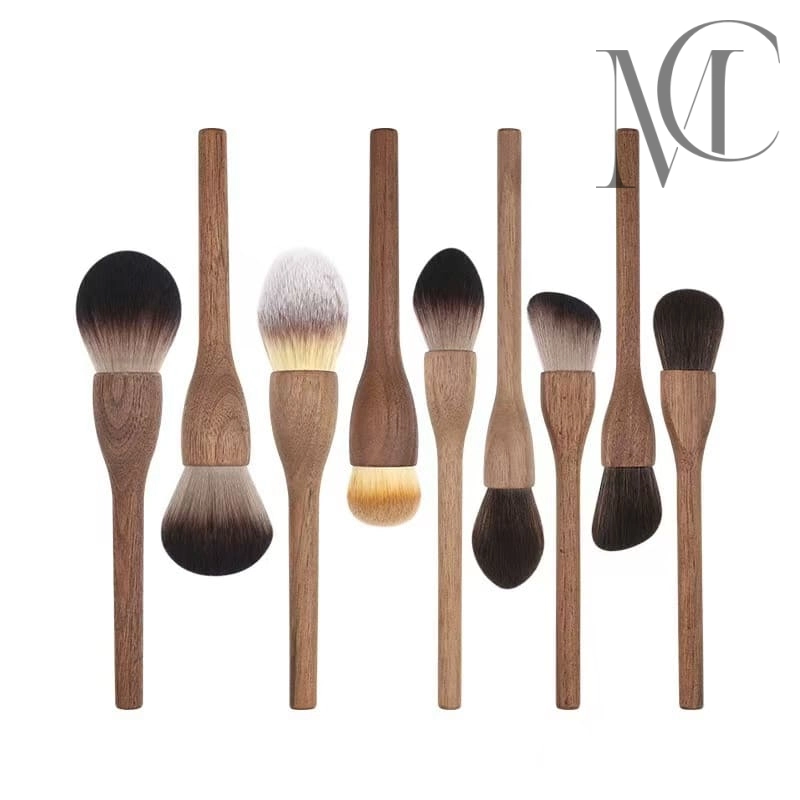
Premium One-Piece Seamless Wooden Makeup Brushes | Eco-Friendly & Ferrule-Free Design
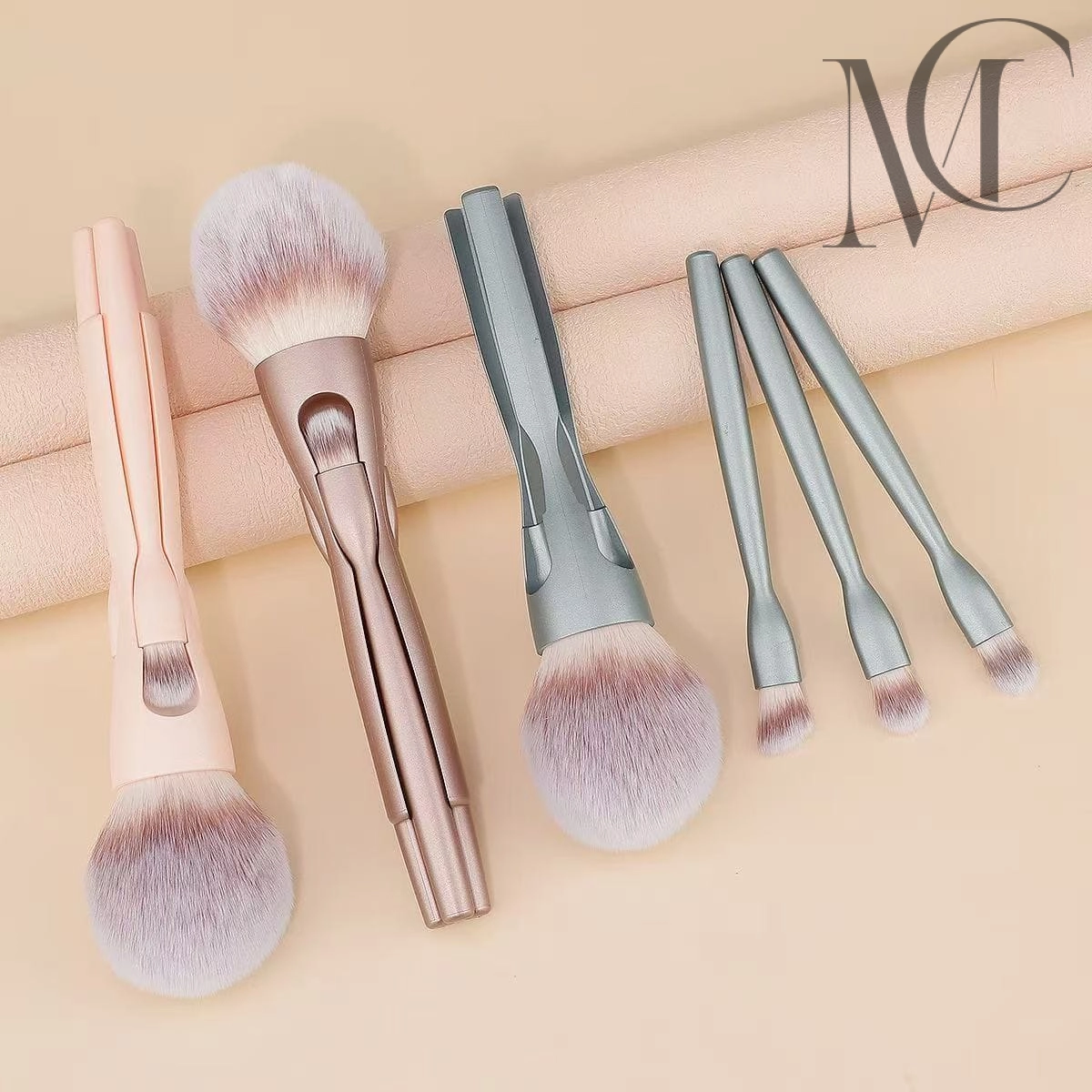
Innovative Magnetic 4-in-1 Detachable Makeup Brush | Travel-Ready & Multi-Functional
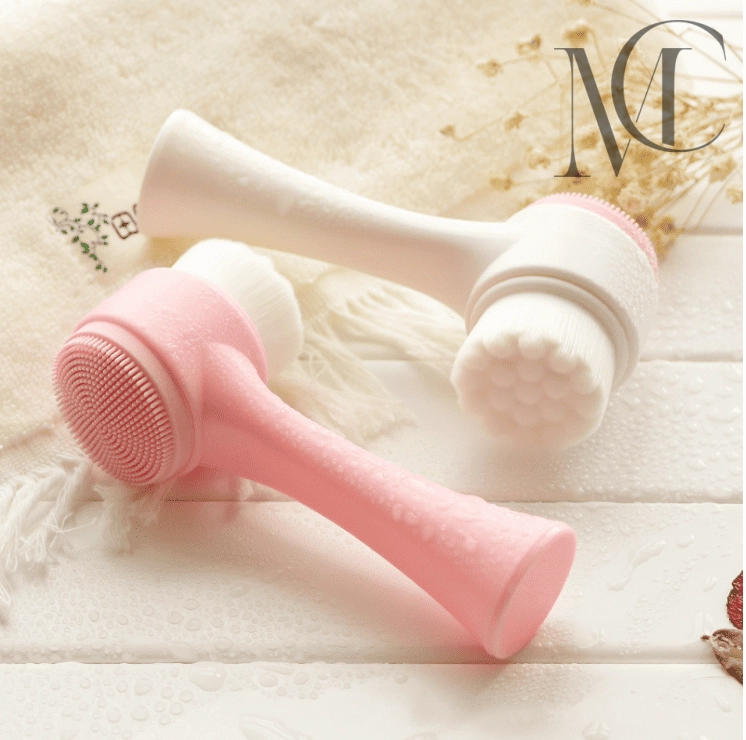
Wholesale 2-in-1 Exfoliating Face Brush with Stand – Custom Laser Colors
Prdoucts Categories
FAQ
For Customization
Can I see samples before placing a bulk order?
Absolutely. We create prototypes or samples for your approval, so you can check the quality and design before mass production.
What parts of a makeup brush can I customize?
Almost every part—bristles, handles, ferrules, logos, and packaging. You can choose materials, shapes, finishes, and branding styles to perfectly match your brand identity.
What is your Minimum Order Quantity (MOQ)?
For in-stock brushes, our MOQ is relatively low, making it ideal for small or startup brands.
For customized brushes, the MOQ varies depending on design complexity — typically around 500–1000 sets.
What is your payment and shipping policy?
We accept various payment methods, including T/T and PayPal for samples.
For shipping, we can work with your freight forwarder or arrange international shipping by air, sea, or courier (DHL, FedEx, UPS).
For Company
Do you work with small beauty brands or startups?
Yes! MECO Brush supports emerging beauty brands and entrepreneurs by offering flexible MOQs and personalized service. Whether you’re a new brand or an established company, we’ll help you launch your brush line successfully.
You may also like

Meco Fluffel – Dome-Shaped Concealer Brush | Aluminum Handle with Soft Sponge Tip | Compact & Portable Design
💎 Discover effortless blending with the Meco Fluffel Dome-Shaped Concealer Brush, designed for precision and convenience. Featuring a sleek brown aluminum body and a soft dome-shaped sponge head, this brush provides smooth, even coverage for both concealer and foundation application. Compact, lightweight, and easy to carry, it’s the ideal tool for professional artists and beauty brands seeking elegant, customizable custom makeup brushes.

Meco ColorPop Multi-Color Flat-Top Concealer Brush – Custom OEM Supply | Private Label Makeup Brush Manufacturer
💎 Brighten your beauty collection with the Meco ColorPop Multi-Color Flat-Top Concealer Brush, where creativity meets precision and portability. Designed with a vibrant acrylic handle, durable aluminum ferrule, and dense flat-top bristles, this brush delivers smooth, flawless concealer application. As a trusted private label makeup brush manufacturer, we offer full customization options—making this brush an ideal choice for brands seeking stylish, travel-friendly tools with professional performance.

Meco MicroBlack Mini Foundation Brush – Compact Precision Tool | Wholesale Makeup Tools Supplier
💎 Elegant, compact, and engineered for everyday perfection, the Meco MicroBlack Mini Foundation Brush is designed for beauty brands and professionals seeking high-performance tools in a portable format. With an ultra-lightweight 11 g design and a height of just 69 mm, this sleek black foundation brush delivers smooth, even blending while fitting effortlessly into travel kits and handbags. An ideal addition to premium wholesale makeup tool collections.

10-Piece Black Hollow-Design Makeup Brush Set – Professional OEM/ODM Supply from Trusted Makeup Brush Vendors
-
💎This 10-piece makeup brush set features a modern hollow-out handle design paired with soft, rich brown synthetic bristles, delivering a perfect blend of style, comfort, and professional performance. As experienced makeup brush vendors, we provide high-quality manufacturing, full customization services, and reliable supply for global brands, distributors, and private label companies.
Still wondering which type of makeup brush to customize?
A single makeup brush for gifting
Makeup brush sets for sale
Custom-designed makeup brushes with your exclusive logo
Luxurious wooden monoblock handle makeup brush
Environmentally friendly and recyclable makeup brushes
Easy-to-clean synthetic makeup brushes
Luxurious and elegant animal hair makeup brushes
Uniquely designed and vibrant acrylic makeup brushes
Premium Antibacterial Makeup Brushes
4-in-1 Multi-Function Makeup Brush
Compact and lightweight makeup brushes for on-the-go use
Custom-made makeup brushes in special sizes
Share your thoughts with us

Contact us
Tell us your needs—we’ll create the perfect custom makeup brushes for your brand.

Contact Information


+86 18768106014

Baolong Subdistrict, Longgang District, Shenzhen City, Guangdong Province Nanyue Dalang North District
Add our WhatsApp
+86 133 9214 4121
Communicate efficiently and learn more
Direct factory supplier of premium makeup brushes, offering small to large-scale customization.
Quick Links
• Tel: +86 13392144121
• Add: Baolong Subdistrict, Longgang District, Shenzhen City, Guangdong Province Nanyue Dalang North District