

info@mecobrush.com
What are typical MOQ requirements for powder brushes ODM? | Insights by meco
2025-11-12
- 1. What is the Standard MOQ Range for ODM Powder Brushes?
- 2. What Key Factors Drive MOQ Variations in Powder Brush ODM?
- 3. How Can AI and Data Analytics Optimize Your MOQ Strategy?
- 4. Are Lower MOQs Negotiable, and What Are the Trade-offs?
- 5. What are the Cost and Lead Time Implications of Different MOQ Tiers?
- 6. How Does Quality Control Intersect with MOQ Requirements?
- Partnering with meco for Optimal ODM Solutions
Beyond the Minimum: Navigating Powder Brush ODM MOQs with AI Insights
In the dynamic world of custom makeup brushes, effectively managing Minimum Order Quantity (MOQ) requirements for Original Design Manufacturing (ODM) powder brushes is a cornerstone of strategic procurement. For procurement users, MOQs are more than just numbers; they dictate inventory levels, influence cash flow, and directly impact time-to-market. This guide provides a data-driven exploration of powder brush ODM MOQs, enhanced by the transformative power of AI.
1. What is the Standard MOQ Range for ODM Powder Brushes?
For high-quality ODM powder brushes, the typical MOQ range from reputable manufacturers is generally between 3,000 to 5,000 units per SKU. This range balances customization possibilities with production efficiency. However, variations are common:
- Lower End (1,000-2,500 units): Possible for simpler designs utilizing readily available components, or when placing multiple brush SKUs that collectively meet a factory's overall production threshold.
- Higher End (5,000-10,000+ units): Often required for highly specialized designs, brushes incorporating unique or exotic materials, complex multi-step finishing processes, or when partnering with very large-scale manufacturers optimized for high-volume production.
These figures reflect the economic realities of tooling, material sourcing, and production line setup for custom cosmetic brushes (Cosmetic Brush Manufacturing Industry Report, Q1 2024).
2. What Key Factors Drive MOQ Variations in Powder Brush ODM?
Several critical factors contribute to the fluctuation of MOQs for ODM powder brushes:
- Raw Material Sourcing: Suppliers for bristles (synthetic fibers or natural hair), ferrules (aluminum, copper), and handles (wood, plastic, resin) often impose their own MOQs. Manufacturers must aggregate these to meet their sub-supplier requirements. Niche or custom-dyed materials typically carry higher MOQs.
- Production Complexity & Customization: Unique brush head shapes, custom ferrule designs, specific handle finishes (e.g., gradient, soft-touch, bespoke printing methods like laser engraving or water transfer) all necessitate dedicated setup, molds, and skilled labor. The more unique the specification, the higher the likely MOQ to justify the initial investment and setup time.
- Factory Size and Production Efficiency: Larger factories with highly automated lines are geared towards high-volume production and may have higher MOQs to maximize efficiency. Smaller, more agile factories might offer lower MOQs but could have higher unit costs due to less economies of scale.
- Seasonality and Order Backlog: During peak seasons, manufacturers may prioritize larger orders, indirectly leading to higher effective MOQs for new clients or complex projects.
3. How Can AI and Data Analytics Optimize Your MOQ Strategy?
Artificial Intelligence is revolutionizing procurement by offering unprecedented insights into MOQ management:
- AI-Powered Demand Forecasting: Advanced AI algorithms analyze historical sales data, market trends, promotional calendars, social media sentiment, and even macroeconomic indicators to predict future demand with greater accuracy. This precision allows procurement teams to place orders that closely align with actual needs, potentially enabling negotiation for lower MOQs or preventing over-ordering, reducing inventory holding costs by up to 20-30% (Supply Chain Management Review: AI in Sourcing and Procurement, March 2024).
- Intelligent Supplier Matching & Negotiation: AI platforms can analyze a vast database of global suppliers, matching your specific design and quality requirements with factories known for competitive MOQs and strong performance. AI can also simulate negotiation scenarios, providing data-backed arguments for securing better MOQ terms.
- Inventory Optimization: By continuously monitoring inventory levels and sales velocities, AI systems recommend optimal reorder points and quantities, minimizing dead stock and ensuring components are available when needed, thus influencing strategic MOQ decisions.
- Design for Manufacturability (DFM) with AI: AI tools can analyze brush designs during the conceptual phase, suggesting alternative materials or slight design modifications that could reduce production complexity, leverage more standard components, and consequently lower the required MOQ without compromising product integrity or aesthetic appeal.
4. Are Lower MOQs Negotiable, and What Are the Trade-offs?
Yes, lower MOQs are often negotiable, particularly for strategic partners. Effective negotiation requires understanding the manufacturer's perspective and offering value. Strategies include:
- Committing to Long-Term Partnerships: A guaranteed pipeline of future orders makes manufacturers more flexible on initial MOQs.
- Placing Orders During Off-Peak Seasons: Manufacturers are typically more amenable to smaller runs when their production lines are not at full capacity.
- Simplifying Customizations: Reducing unique features, opting for standard colors or components, can significantly reduce setup costs for the manufacturer.
- Combining Multiple SKUs: If ordering several types of brushes (e.g., a powder, blush, and eyeshadow brush) from the same factory, the cumulative volume might meet a higher overall MOQ, allowing individual SKUs to have lower thresholds.
Trade-offs: Expect a higher unit cost for lower MOQs, as the manufacturer needs to recoup setup costs over fewer items. There might also be fewer customization options and potentially longer lead times, as smaller orders may be queued around larger, more profitable runs (Global Beauty Industry Procurement Benchmarking Survey, 2023).
5. What are the Cost and Lead Time Implications of Different MOQ Tiers?
- Cost Implications: There's a clear inverse relationship between MOQ and per-unit cost. For instance, an order of 5,000 units might see a 15-25% lower per-unit price compared to an order of 2,000 units, due to economies of scale in material purchasing, production setup, and labor efficiency. Beyond a certain threshold (e.g., 10,000 units), the cost savings per unit tend to plateau.
- Lead Time Implications: For ODM powder brushes, typical lead times range from 30 to 60 days after final sample approval and deposit. While very low MOQs might occasionally have slightly shorter lead times if they use entirely standard components, complex low-volume orders can sometimes take longer due to specialized setup and scheduling challenges. Higher MOQs generally secure dedicated production slots, ensuring more predictable and often efficient lead times.
6. How Does Quality Control Intersect with MOQ Requirements?
Quality control (QC) is non-negotiable, regardless of MOQ. Reputable ODM factories adhere to rigorous QC protocols – Incoming Quality Control (IQC) for raw materials, In-Process Quality Control (IPQC) during manufacturing, and Final Quality Control (FQC) before shipment. However, procurement users should:
- Verify Consistency: For smaller or highly customized MOQs, ensure the factory maintains the same strict QC standards applied to larger orders. Discuss sample approval processes, acceptable defect rates, and re-inspection policies upfront.
- Leverage Technology: AI-powered visual inspection systems can provide consistent, objective quality checks across all order sizes, reducing human error and ensuring adherence to specifications, which is particularly beneficial for complex brush designs.
- Document Specifications: Provide clear, detailed specifications and approve physical samples at each stage to prevent misunderstandings, especially when pushing MOQ boundaries (Market Analysis of Custom Cosmetics Manufacturing, Early 2024).
Partnering with meco for Optimal ODM Solutions
At meco, we understand the complexities of ODM powder brush MOQs. By leveraging cutting-edge AI-driven insights for demand forecasting and supply chain optimization, we are able to offer competitive MOQs and agile production planning without compromising on quality. Our commitment to innovation and customer-centric solutions ensures that procurement teams achieve the optimal balance between cost-effectiveness, High Quality quality, and punctual delivery for all their custom makeup brush needs. Partner with meco to transform your procurement strategy and gain a competitive edge.
Recommended for you
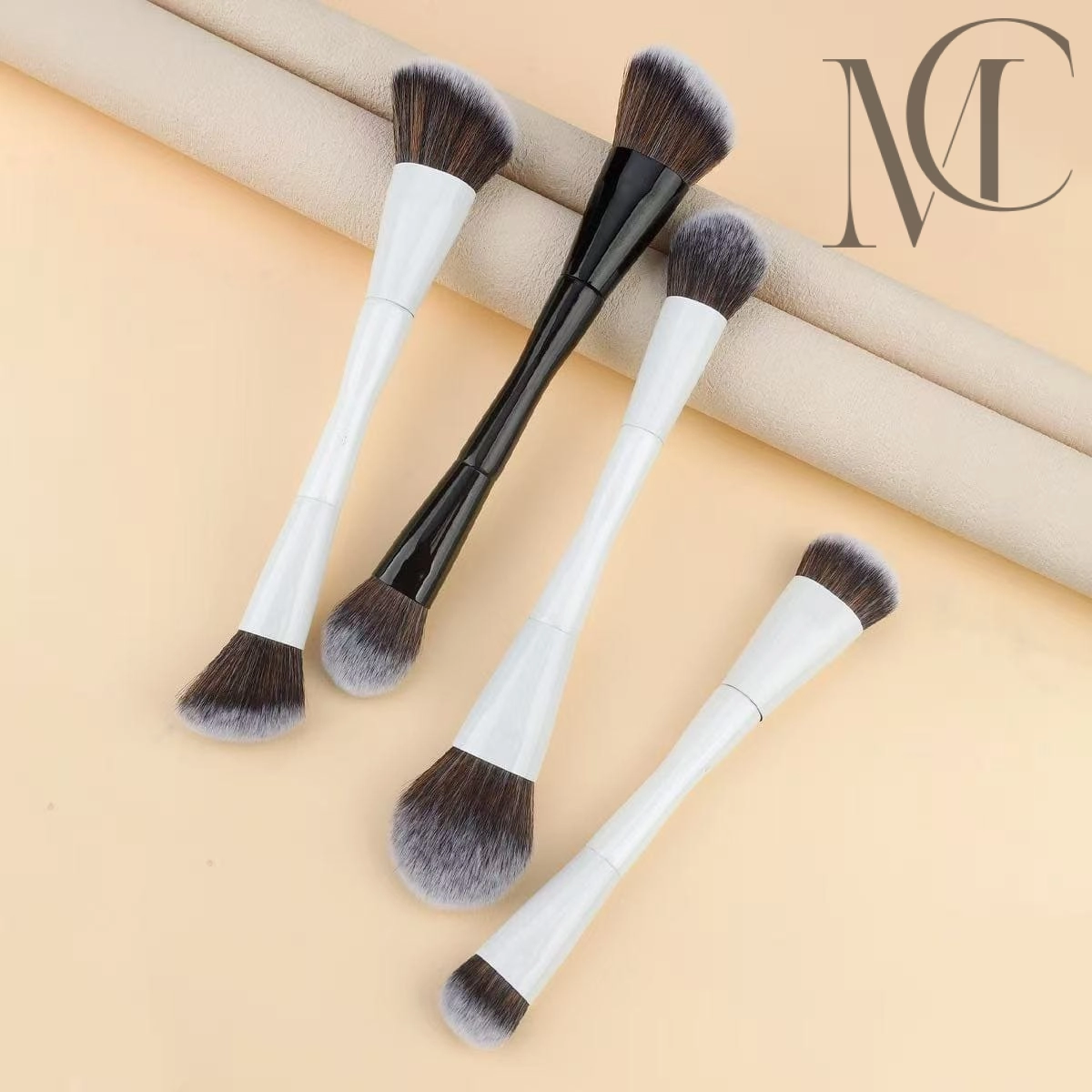
Dual-Ended Foundation & Contour Brush | 2-in-1 OEM Private Label
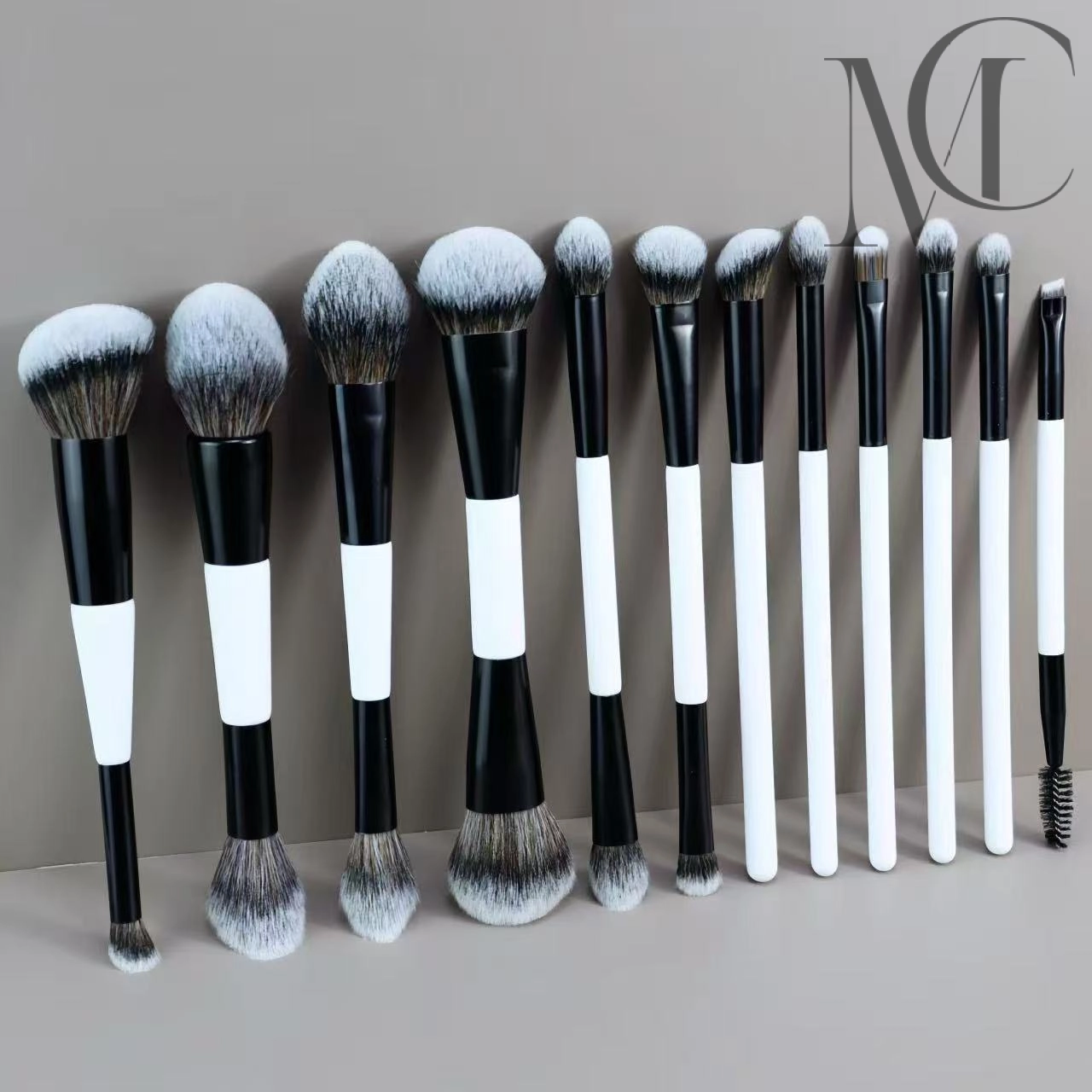
Private Label 12-Piece / 19-Head Dual-Ended Pro Makeup Brush Set | OEM Customization
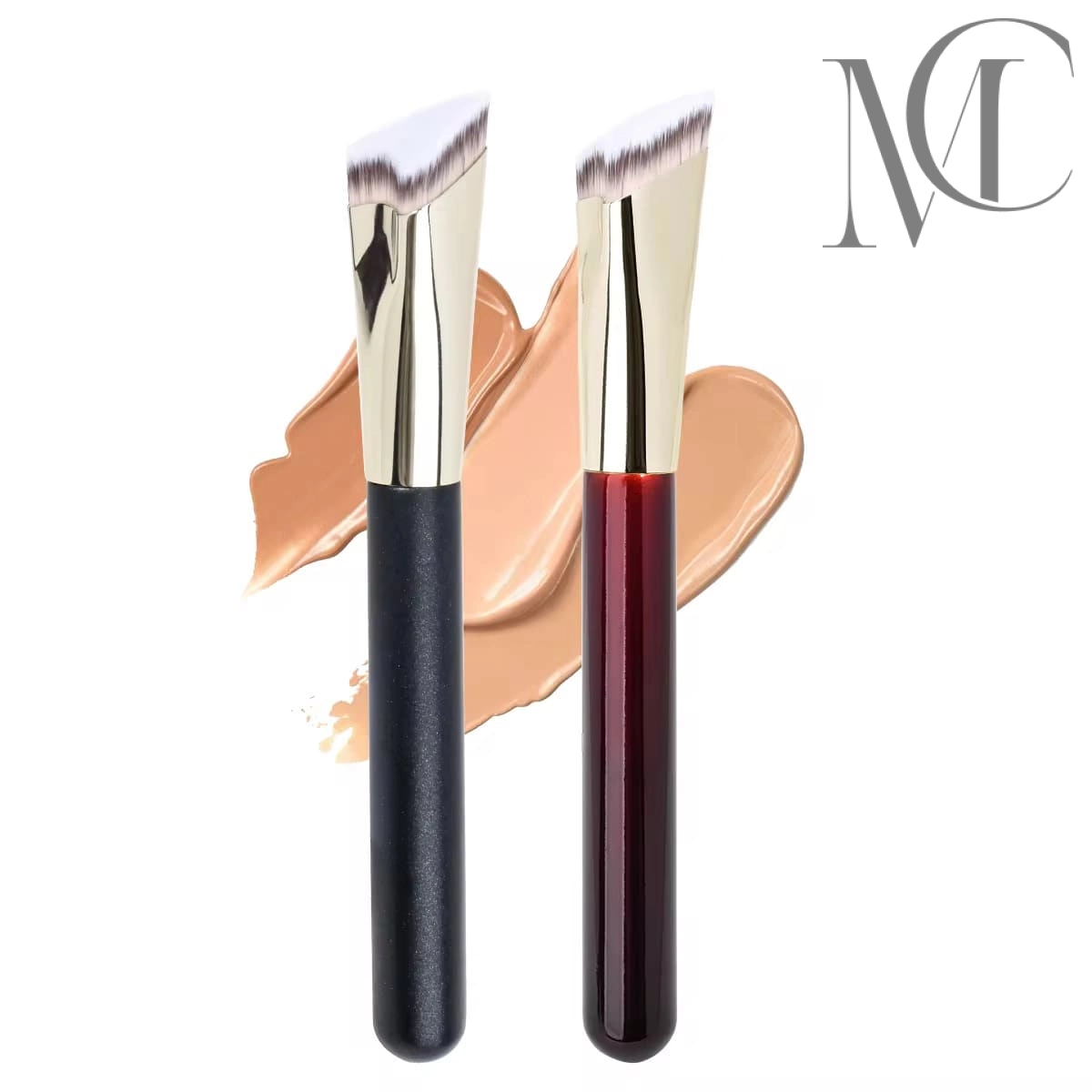
Premium Angle Foundation Brush with Synthetic Hair & Thickened Aluminum Ferrule, Elegant Wooden Handle
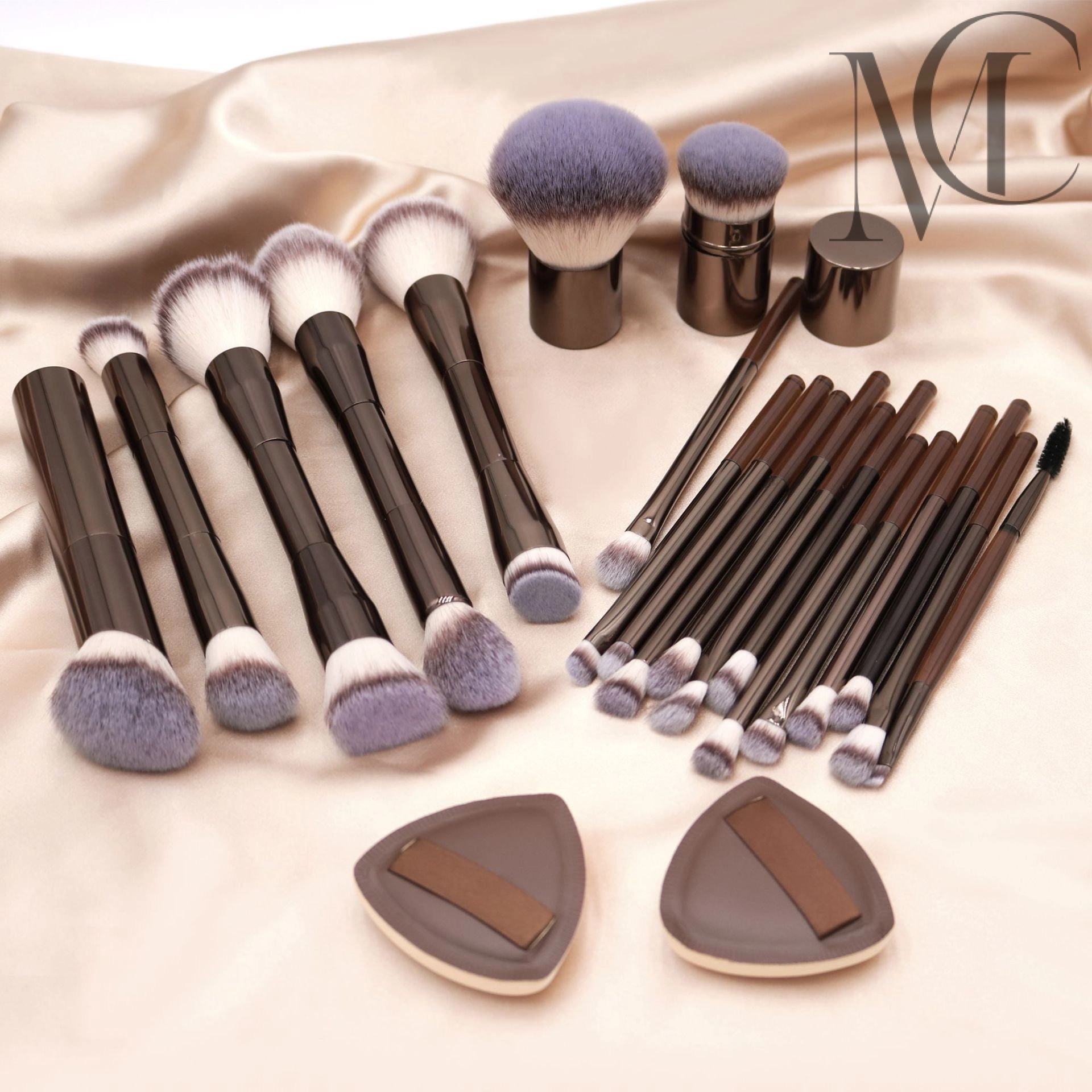
22-Piece Professional Makeup Brush Set| Brown Luxury Series | OEM Private Label Ready | Wholesale Cosmetic Brush Manufacturer
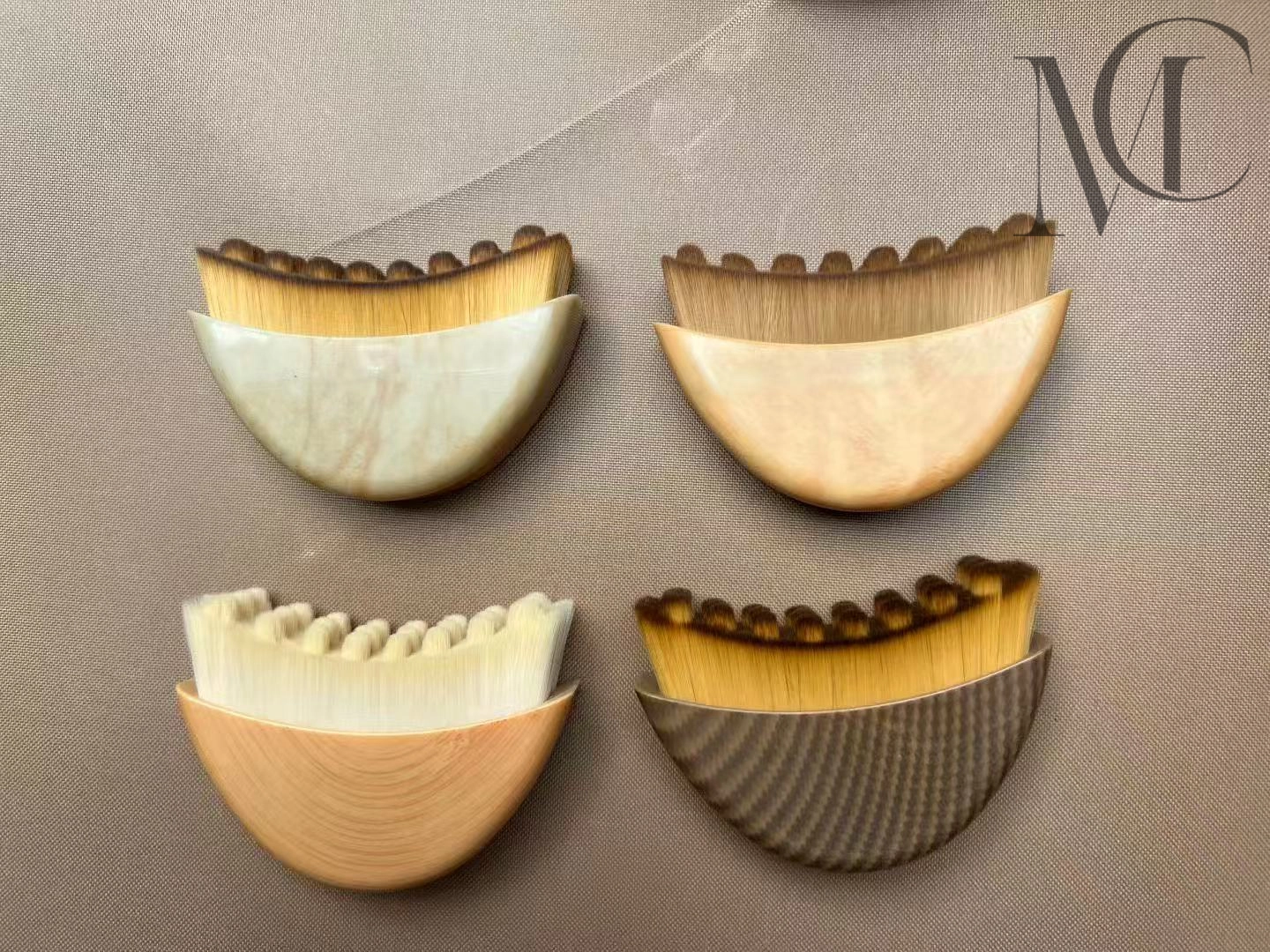
Premium Lymphatic Contour Facial Brush | Popular Makeup Brush Manufacturers
Prdoucts Categories
FAQ
For Customization
How do you ensure quality control?
Quality is our top priority. Each brush goes through multiple inspection stages — checking bristle density, hair shedding, glue strength, handle balance, and overall finish — before shipping.
We guarantee each piece meets international standards and your brand’s expectations.
How long does it take for samples to ship? How long does it take to arrive?
In-stock samples will ship within 10 days, and custom samples will take 15-20 days. We usually use DHL, UPS, and FedEx Express, and they usually arrive 5-10 days after delivery.
Can MECO Brush help with packaging design?
Definitely. We offer custom packaging services — from simple pouches and paper boxes to luxury gift sets. Our design team can help create packaging that enhances your brand presentation and customer experience.
What parts of a makeup brush can I customize?
Almost every part—bristles, handles, ferrules, logos, and packaging. You can choose materials, shapes, finishes, and branding styles to perfectly match your brand identity.
For Company
Do you work with small beauty brands or startups?
Yes! MECO Brush supports emerging beauty brands and entrepreneurs by offering flexible MOQs and personalized service. Whether you’re a new brand or an established company, we’ll help you launch your brush line successfully.
More Insights from an Expert Cosmetic Brush Manufacturer
Dive deeper into the engineering secrets, material guides, and OEM supply chain strategies that help global beauty brands build their next best-sellers.

Hero SKU vs. Full Set: How to Build the Right Product Mix for Your Makeup Brush Brand
A lot of brand owners conflate two separate decisions when thinking about their product line: product structure and sales strategy. Untangling them makes everything clearer.
This guide explores the supply chain and commercial logic behind single hero brushes versus complete brush sets, helping you structure a product mix that maximizes Average Order Value (AOV), minimizes inventory risk, and builds a defensible luxury makeup brushes private label brand.
04/08/2026
Details ››

Skincare Applicators & Spa Brushes: The Next Big OEM Growth Category for Beauty Brands (2026)
The global spa and wellness market is projected to reach $6.6 trillion by 2025.
The professional skincare tools segment is growing at twice the rate of makeup brushes.
Most cosmetic brush brands have not noticed yet.
The ones that have are quietly launching skincare applicator lines that command retail price points 40% to 60% higher than equivalent makeup brushes—with lower competitive saturation and stronger repeat purchase rates.
This is your manufacturing guide to the category before it gets crowded.
04/06/2026
Details ››

Eco-Friendly Makeup Brushes: The Complete OEM Sourcing Guide for Sustainable Beauty Brands (2026)
In 2024, the EU banned over 2,400 chemical substances from cosmetic products. In 2025, major US retailers began requiring sustainability documentation from all new beauty tool suppliers. In 2026, your customer is reading your material list before they read your price.
The question is no longer whether your brush brand needs a sustainability strategy. The question is whether your current manufacturer can actually deliver one.
Sustainability in makeup brushes is no longer a niche positioning play for indie clean beauty brands. It is a baseline sourcing requirement being driven simultaneously by three forces:
→ Retail buyers at Sephora, Target, and major EU chains now require ESG documentation from suppliers
→ EU and US regulations are actively restricting virgin plastics and non-compliant chemical finishes
→ Millennial and Gen Z consumers—now the dominant beauty purchasing demographic—treat sustainability as a non-negotiable brand filter
This guide gives you the practical, technical framework for building a genuinely eco-friendly makeup brush line—covering materials, production standards, certifications, packaging, and what to actually ask your cosmetic brush manufacturer before placing an order.
04/05/2026
Details ››

B2B Sourcing Guide: How to Transition to a New Cosmetic Brush Factory Without Supply Chain Risks
Switching cosmetic brush suppliers without supply chain disruption is possible. Meco's B2B guide covers the 4-step transition roadmap, shedding prevention, and pilot run strategy. MOQ from 500 units. Factory-direct Shenzhen.
03/24/2026
Details ››

Beyond Synthetic: How a Vegan Makeup Brushes Manufacturer Crafts Professional-Grade Tools (2026 Edition)
True vegan brush manufacturing goes beyond synthetic bristles — it requires auditing adhesives, handle coatings, and every hidden component. Meco's complete B2B guide covers materials, certification, and sourcing strategy. Factory-direct from Shenzhen.
03/12/2026
Details ››

The Complete Technical Guide to Eco-Friendly Makeup Brushes (2026 OEM Specification)
Eco-friendly brushes require more than a bamboo handle. Meco's OEM engineering guide covers FSC, PCR, bristle specs, and retail compliance for Sephora, EU & Amazon. MOQ 500 units. Factory-direct Shenzhen.
03/02/2026
Details ››
Request Sample
Request a sample today, and our team will arrange fast delivery, helping you evaluate our materials and craftsmanship.

Contact Information


+86 133 9214 4121

Baolong Subdistrict, Longgang District, Shenzhen City, Guangdong Province, Nanyue, Dalang, North District
Add our WhatsApp
+86 133 9214 4121
Direct factory supplier of premium makeup brushes, offering small to large-scale customization.
Quick Links
• Tel: +86 13392144121
• Add: Baolong Subdistrict, Longgang District, Shenzhen City, Guangdong Province; Nanyue Dalang North District