

info@mecobrush.com
What materials and bristle types do powder brushes ODM factories offer? | Insights by meco
2025-11-05
- 1. What are the primary bristle material options for powder brushes, and what are their pros and cons?
- 2. How do advanced synthetic bristle technologies compare to natural hair for powder application?
- 3. What handle materials are typically offered, considering aesthetics, durability, and cost?
- 4. What ferrule materials are standard, and how do they impact brush quality and longevity?
- 5. What common brush head shapes and sizes are most popular for powder application?
- 6. What level of customization is generally available from ODM factories for powder brushes?
- 7. Are there sustainable and eco-friendly material options trending in powder brush manufacturing?
- 8. How do material choices impact the final product's performance and perceived value?
- Partner with meco for Unmatched Quality and Innovation
- Data Reference Sources
The Guide to Powder Brush Materials & Bristle Types from ODM Factories
For custom makeup brush brands, selecting the right materials for powder brushes is a critical decision that impacts product performance, brand perception, and ly, market success. ODM (Original Design Manufacturer) factories offer a wealth of options, but understanding the nuances of each material is key for procurement professionals. This guide breaks down the essential aspects of powder brush components, from bristles to handles, helping you make informed choices.
1. What are the primary bristle material options for powder brushes, and what are their pros and cons?
Powder brushes rely on bristles that can effectively pick up and distribute product. The main categories include:
- Natural Hair: Traditionally favored for their cuticle structure, which excels at picking up and distributing product evenly.
- Goat Hair (e.g., Saikoho, Sokoho): Widely used, offers excellent softness and powder retention. Saikoho is generally softer than Sokoho.
- Pros: Superior powder pickup and blendability, luxurious feel.
- Cons: Higher cost, ethical considerations for some consumers, requires delicate cleaning, potential for shedding.
- Synthetic Fibers: Modern synthetics have significantly advanced, often outperforming natural hair in specific areas.
- PBT (Polybutylene Terephthalate) & Nylon: The most common synthetics. Advanced technologies create wavy or crimped fibers that mimic natural hair's texture and cuticle structure.
- Pros: Durable, easy to clean, hypoallergenic, cruelty-free, consistent performance, less shedding, cost-effective.
- Cons: Lower-grade synthetics may lack the softness or powder pickup of High Quality natural hair.
Industry Data: Synthetics now comprise over 60% of newly manufactured makeup brushes, driven by ethical consumer demand and technological advancements in fiber quality (Mintel, Q3 2023).
2. How do advanced synthetic bristle technologies compare to natural hair for powder application?
Advanced synthetic bristles have remarkably closed the performance gap with natural hair. Manufacturers employ innovative techniques to create fibers with textured surfaces (like crimped or wavy filaments) that mimic the scales of natural hair, allowing for better powder adhesion and distribution.
- Key advancements include:
- Tapered and Varied Diameter Fibers: Mimics the natural taper of hair, resulting in softer tips and more flexible brush heads.
- Enhanced Surface Treatment: Some synthetics undergo special treatments to improve powder pickup and release, reducing product waste.
- Durability and Hygiene: Synthetics are inherently more durable, less prone to shedding, and easier to clean, making them a more hygienic option with a longer lifespan. They also dry faster, reducing potential for bacterial growth.
While High Quality natural hair still holds a slight edge in some nuanced blending characteristics for certain powder formulations, advanced synthetics offer a cruelty-free, hypoallergenic, and often more cost-effective alternative with performance levels that satisfy the vast majority of users and brand requirements.
3. What handle materials are typically offered, considering aesthetics, durability, and cost?
Handle material profoundly influences a brush's feel, durability, and aesthetic:
- Wood: (e.g., Birch, Maple, Beech) Classic and luxurious. Offers excellent tactile feel and aesthetic versatility with various finishes (gloss, matte, soft-touch).
- Pros: High Quality look, durable with proper care.
- Cons: Higher cost, susceptible to moisture damage if not properly sealed. FSC-certified wood options are available for sustainability.
- Plastic: (e.g., ABS, PS, PMMA) Highly versatile and cost-effective. Can be molded into complex shapes, dyed in a vast spectrum of colors, and finished with metallic coatings or rubberized textures.
- Pros: Durable, water-resistant, lowest cost, high customization.
- Cons: Perceived as less High Quality than wood or metal if not finished well. Recycled plastics (PCR ABS) are increasingly available.
- Metal: (e.g., Aluminum, Zinc Alloy) Used for a high-end, weighty, and robust feel. Often seen in luxury or travel-sized brushes for added durability.
- Pros: Very durable, High Quality aesthetic, substantial feel.
- Cons: Highest cost, heavier, limited shape options compared to plastic.
- Bamboo: An eco-friendly alternative. Lightweight, durable, and offers a natural, rustic aesthetic.
- Pros: Sustainable, lightweight, distinct appearance.
- Cons: Less flexible in intricate shaping compared to plastic.
4. What ferrule materials are standard, and how do they impact brush quality and longevity?
The ferrule is crucial for securing bristles and maintaining brush shape:
- Aluminum: The most common ferrule material. Lightweight, rust-resistant, and available in various finishes (anodized, matte, glossy, colored).
- Pros: Cost-effective, good durability, versatile.
- Cons: Can be less robust than brass/copper, may dent under extreme pressure.
- Copper (Brass): A High Quality option, often nickel-plated or chrome-plated for a polished finish. Heavier and more rigid than aluminum.
- Pros: Superior durability, stronger grip on bristles, High Quality feel, corrosion-resistant, contributes to overall brush balance.
- Cons: Higher cost, heavier.
- Plastic: Less common for powder brushes due to durability concerns, but used in some very low-cost or novelty brushes.
- Pros: Very low cost, high color versatility.
- Cons: Least durable, potential for bristles to loosen over time.
Impact on Quality: A high-quality, well-crimped ferrule prevents shedding and ensures brush longevity, significantly impacting the user's experience and the perceived value of the product.
5. What common brush head shapes and sizes are most popular for powder application?
Powder brushes are designed for broad application, setting makeup, or light dusting:
- Large Dome/Round: The classic powder brush. Offers broad coverage for all-over face powder application. Diameters typically range from 30mm to 50mm.
- Tapered: Features a rounded top that narrows to a point. Ideal for more precise powder application, contouring with powder, or setting makeup under the eyes and around the nose.
- Flat-Top/Kabuki: Dense and flat-topped, excellent for buffing powder foundations or mineral makeup into the skin for full coverage. Often shorter-handled for control. Head diameter can range from 25mm to 40mm.
- Fan: Thin, fanned-out shape. Primarily used for light dusting of powder, sweeping away excess product, or applying highlight.
- Angled: Can be used for targeted powder application, especially for contour or blush, blending seamlessly.
The choice of shape and size often depends on the desired coverage level and application technique, with ODM factories offering a wide array to suit diverse brand needs.
6. What level of customization is generally available from ODM factories for powder brushes?
ODM factories offer extensive customization to help brands create unique products:
- Bristle Customization: Choice of material (natural, synthetic, blends), color, density, shape (pre-cut or hand-shaped), and overall brush head size.
- Handle Customization: Material (wood, plastic, metal, bamboo), color (pantone matching), finish (matte, gloss, soft-touch, glitter), shape (ergonomic, classic, unique designs), and logo application (silk screen printing, hot stamping, laser engraving).
- Ferrule Customization: Material (aluminum, brass), color (anodized, plated), finish (matte, polished), and logo engraving.
- Packaging Customization: Design, material, and printing for individual brush sleeves, boxes, brush sets, and pouches.
This high level of customization allows brands to develop a distinctive product identity that aligns with their target market and aesthetic, from luxury to mass-market segments.
7. Are there sustainable and eco-friendly material options trending in powder brush manufacturing?
Consumer demand for sustainable beauty products has significantly increased, driving ODM factories to expand eco-friendly offerings. NielsenIQ data from Q4 2023 indicated a 20% year-over-year growth in consumer interest for sustainable beauty.
- Key sustainable options include:
- Vegan Bristles: All high-quality synthetic bristles are vegan and cruelty-free, addressing ethical concerns directly.
- FSC-Certified Wood Handles: Ensures wood is sourced from responsibly managed forests.
- Bamboo Handles: A fast-growing, renewable resource, offering a natural and sustainable alternative.
- Recycled Plastics (PCR - Post-Consumer Recycled): Handles made from PCR ABS or other recycled plastics reduce reliance on virgin materials.
- Recyclable Packaging: Utilizing materials like paperboard, glass, or single-material plastics for packaging to enhance recyclability.
Brands can choose to combine multiple sustainable elements to create an entirely eco-conscious powder brush line.
8. How do material choices impact the final product's performance and perceived value?
Material choices are paramount, directly influencing both the functional performance and the market perception of a powder brush.
- Performance:
- Bristles: Directly affects powder pickup, distribution, blendability, and softness on the skin. High Quality materials ensure a flawless, even application.
- Ferrule: A well-constructed ferrule prevents shedding, maintains brush shape, and provides durability.
- Handle: Impacts grip, balance, and ease of use. Ergonomic designs and appropriate weight contribute to a comfortable application.
- Perceived Value:
- Aesthetics: High-quality wood, metal, or well-finished plastic handles, combined with dense, perfectly shaped bristles, communicate luxury and craftsmanship.
- Tactile Experience: The softness of bristles, the weight of the handle, and the smoothness of finishes all contribute to a High Quality feel.
- Durability: A brush that lasts longer and performs consistently builds trust and brand loyalty.
- Ethical Sourcing: For a growing segment of consumers, vegan and sustainably sourced materials add significant perceived value and align with their personal values.
Strategic material selection allows brands to position their powder brushes precisely within the market, from budget-friendly and functional to luxurious and sustainable.
Partner with meco for Unmatched Quality and Innovation
At meco, we understand that selecting the right materials is foundational to meco's success. As a leading ODM factory, we specialize in partnering with custom makeup brush brands to bring their vision to life. Our extensive expertise encompasses a vast selection of cutting-edge synthetic bristles, ethically sourced natural hairs, and diverse handle and ferrule materials, including a strong commitment to sustainable and eco-friendly options. With state-of-the-art manufacturing processes, rigorous quality control, and a dedicated R&D team, meco ensures every powder brush we produce not only meets but exceeds industry standards for performance, durability, and aesthetic appeal. We offer unparalleled customization, allowing you to craft brushes that perfectly embody meco's unique identity and resonate with your target consumers. Partner with meco for innovative, high-quality, and reliable manufacturing solutions.
Data Reference Sources
- Mintel, Global Beauty & Personal Care Trends 2023, Q3 2023.
- NielsenIQ, Consumer Insights Report: Sustainable Beauty, Q4 2023.
- Cosmetics Business, Ingredients and Formulations Innovations, January 2024.
Recommended for you
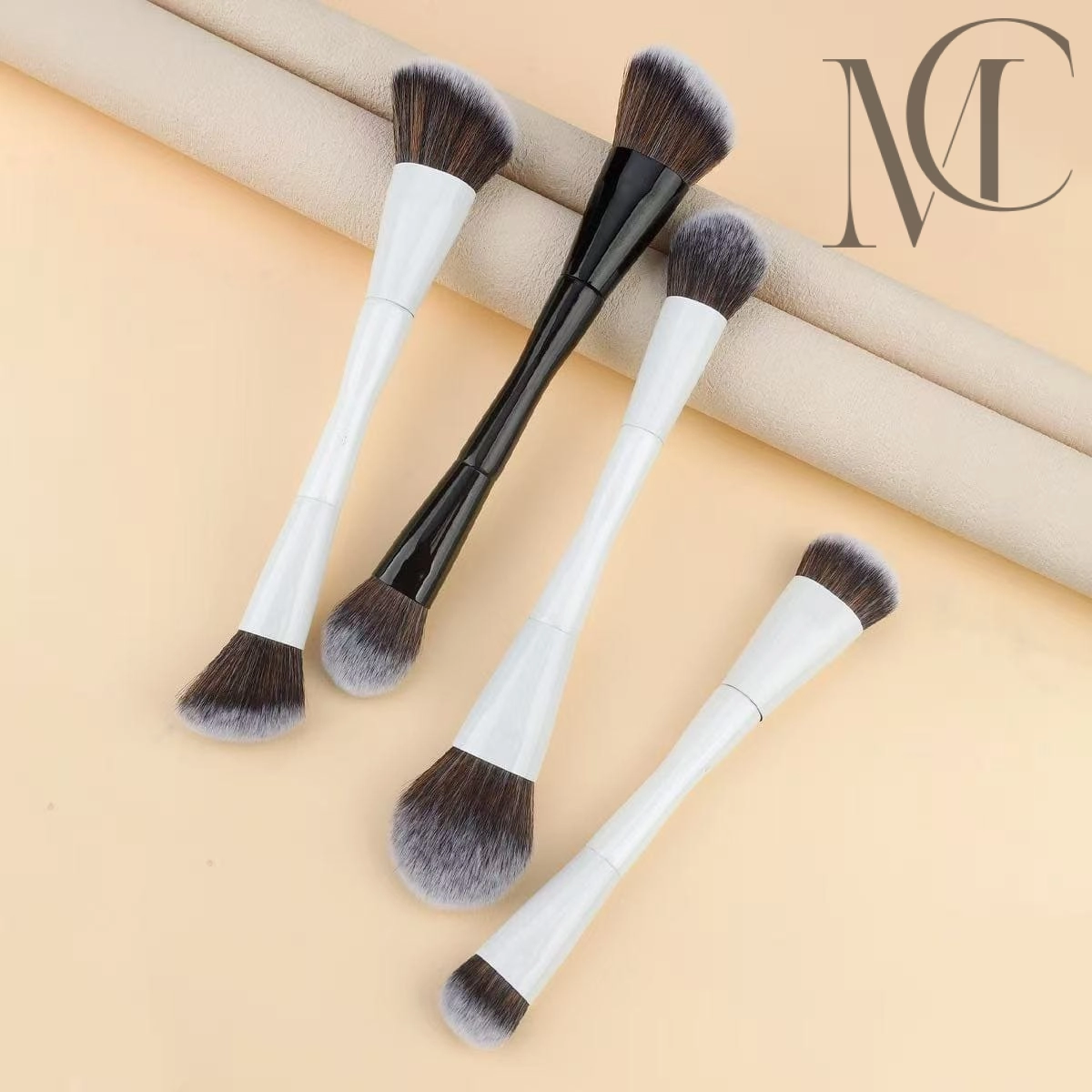
Dual-Ended Foundation & Contour Brush | 2-in-1 OEM Private Label
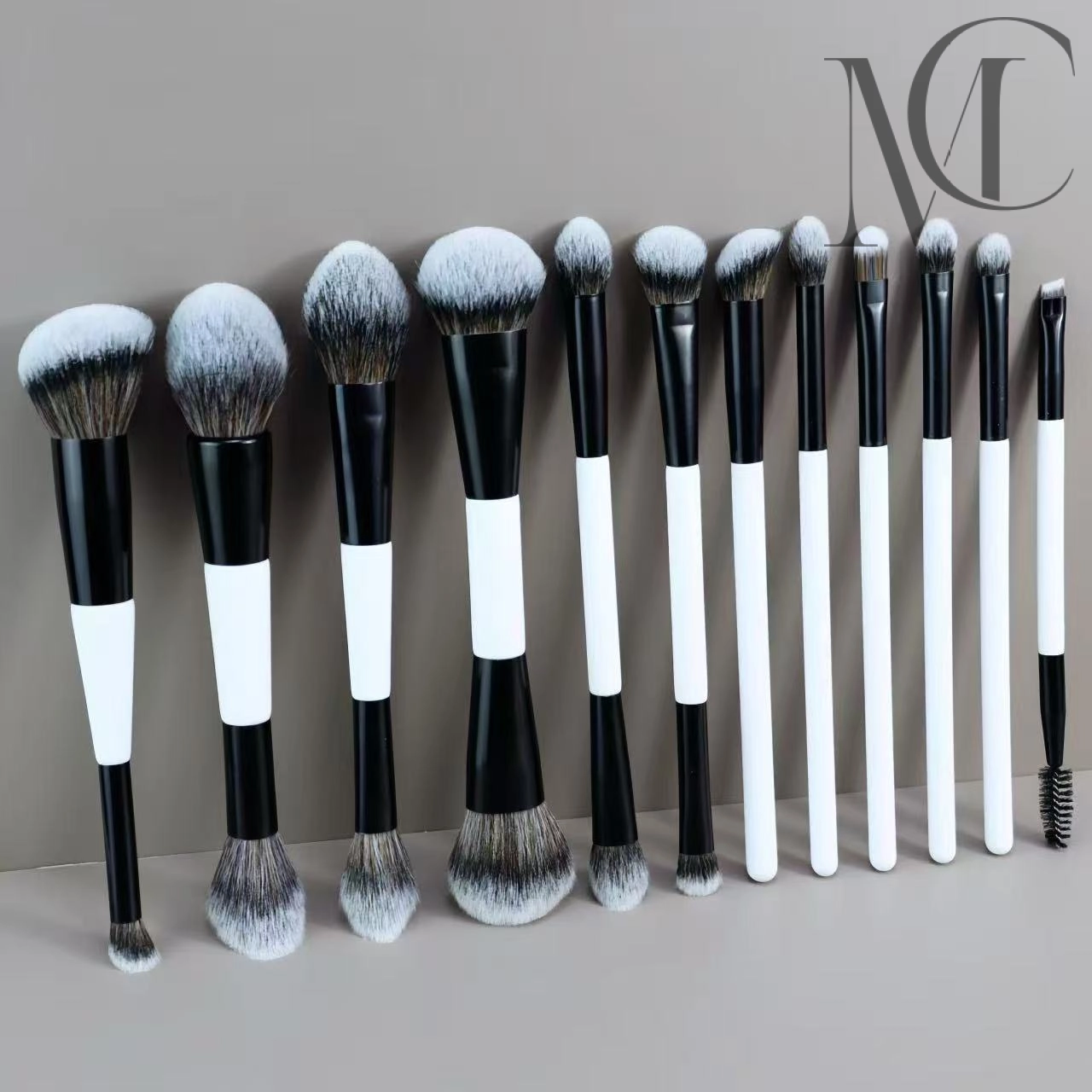
Private Label 12-Piece / 19-Head Dual-Ended Pro Makeup Brush Set | OEM Customization
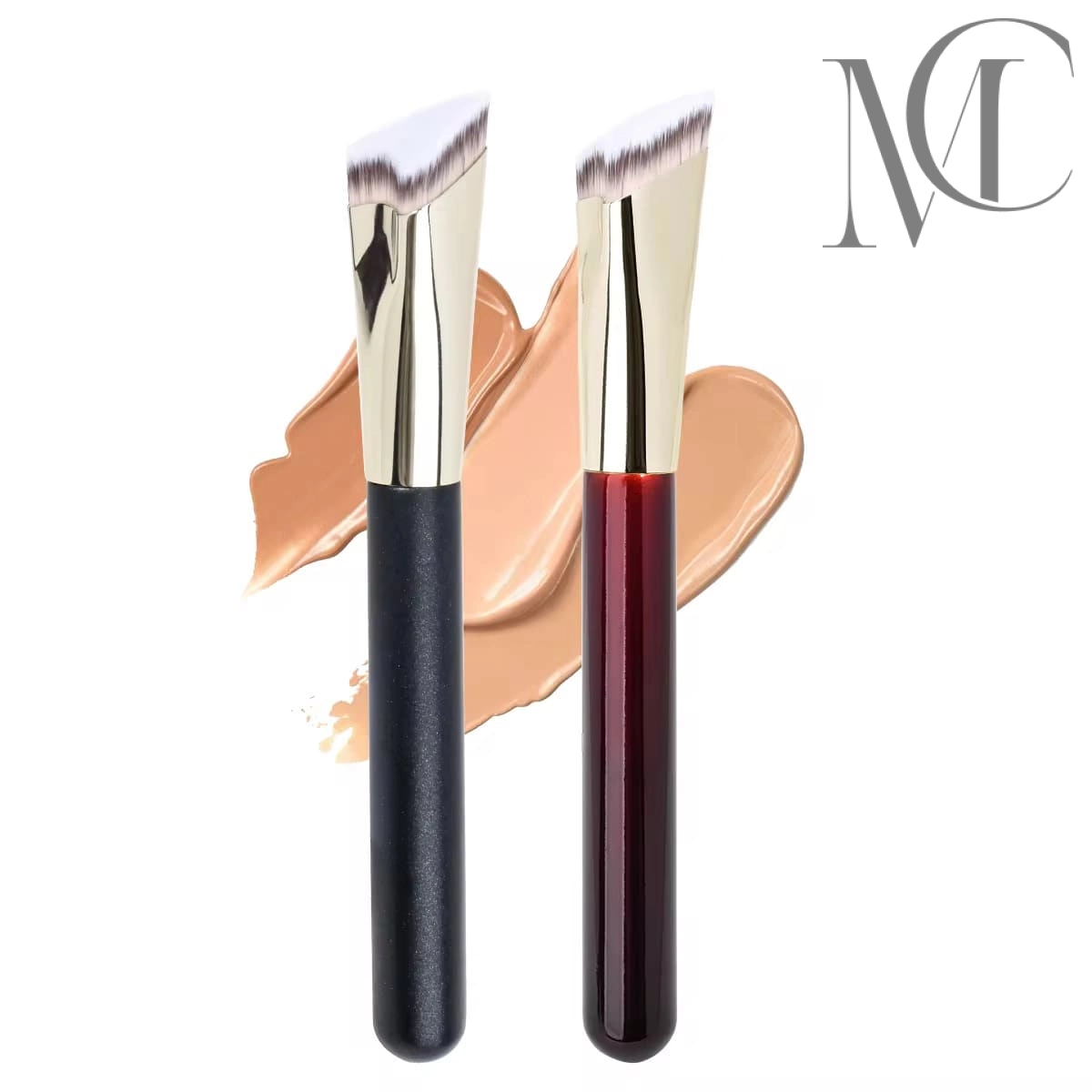
Premium Angle Foundation Brush with Synthetic Hair & Thickened Aluminum Ferrule, Elegant Wooden Handle
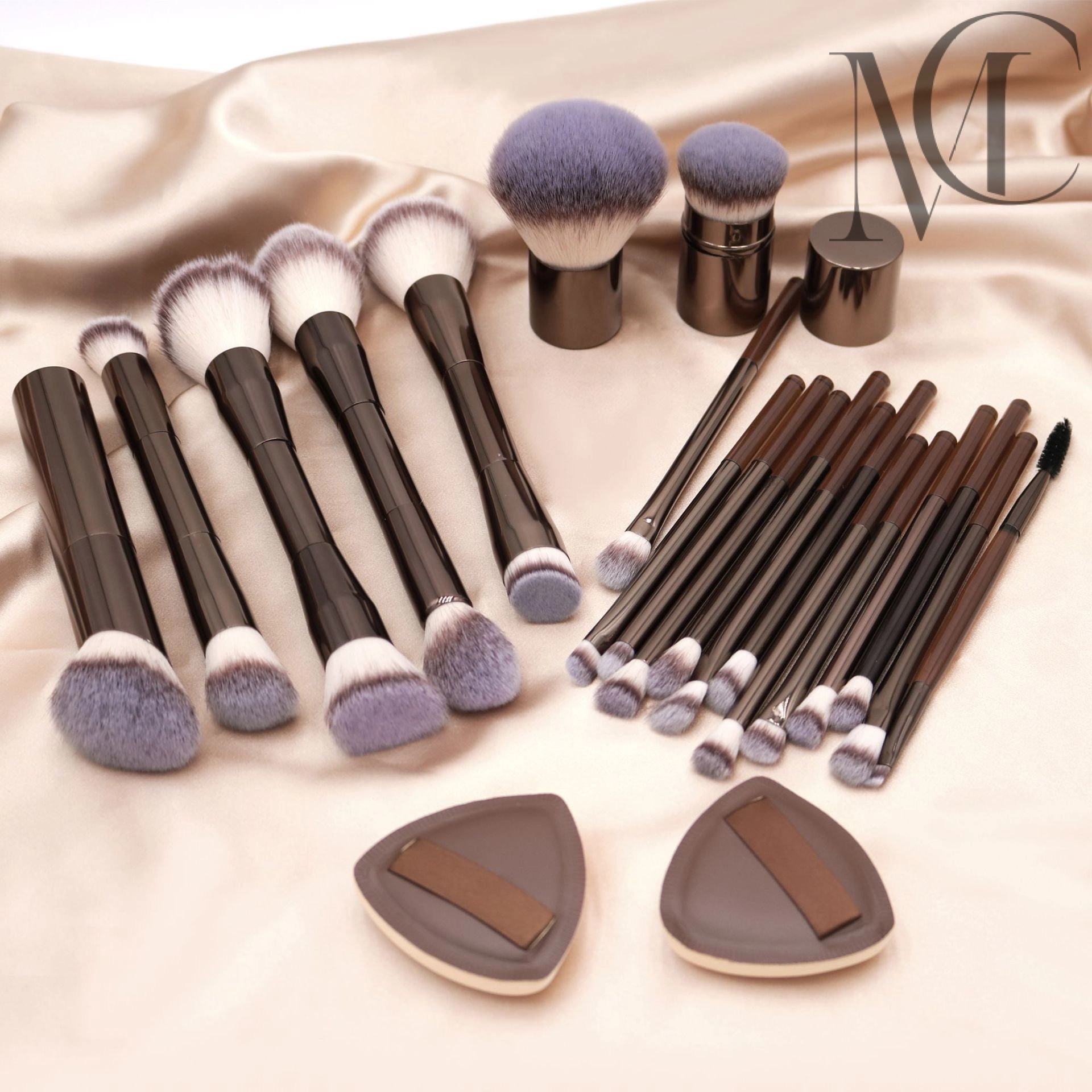
22-Piece Professional Makeup Brush Set| Brown Luxury Series | OEM Private Label Ready | Wholesale Cosmetic Brush Manufacturer
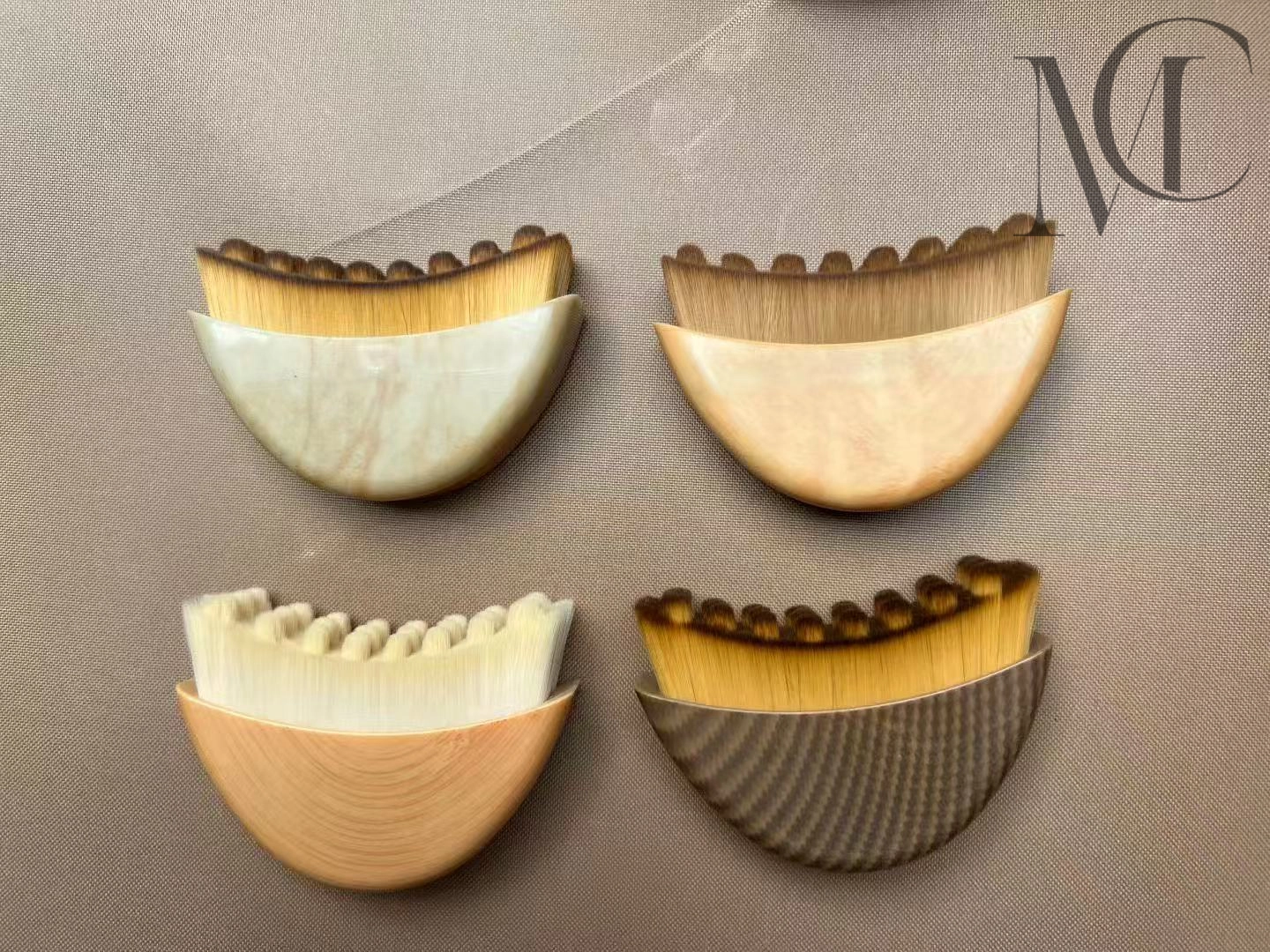
Premium Lymphatic Contour Facial Brush | Popular Makeup Brush Manufacturers
Prdoucts Categories
FAQ
For Company
Do you work with small beauty brands or startups?
Yes! MECO Brush supports emerging beauty brands and entrepreneurs by offering flexible MOQs and personalized service. Whether you’re a new brand or an established company, we’ll help you launch your brush line successfully.
For Customization
Do you offer eco-friendly or vegan makeup brushes?
Yes. MECO Brush offers eco-friendly and vegan options, including recycled aluminum ferrules, sustainable wood handles, and cruelty-free synthetic fibers that replicate natural performance.
How long does it take to make my own shape and color?
Yes, custom shapes are possible. We require a drawing with precise dimensions, either a 3D or 2D design.
As for color, just give us a color number and we'll match it. Delivery time is 7-10 days upon request.
How do you ensure quality control?
Quality is our top priority. Each brush goes through multiple inspection stages — checking bristle density, hair shedding, glue strength, handle balance, and overall finish — before shipping.
We guarantee each piece meets international standards and your brand’s expectations.
Can you comply with our brand's strict chemical testing requirements (e.g., REACH, RoHS)?
-
-
Yes. We source certified raw materials and use eco-friendly, non-toxic adhesives and paints that pass strict international chemical compliance tests.
-
-
More Insights from an Expert Cosmetic Brush Manufacturer
Dive deeper into the engineering secrets, material guides, and OEM supply chain strategies that help global beauty brands build their next best-sellers.

Hero SKU vs. Full Set: How to Build the Right Product Mix for Your Makeup Brush Brand
A lot of brand owners conflate two separate decisions when thinking about their product line: product structure and sales strategy. Untangling them makes everything clearer.
This guide explores the supply chain and commercial logic behind single hero brushes versus complete brush sets, helping you structure a product mix that maximizes Average Order Value (AOV), minimizes inventory risk, and builds a defensible luxury makeup brushes private label brand.
04/08/2026
Details ››

Skincare Applicators & Spa Brushes: The Next Big OEM Growth Category for Beauty Brands (2026)
The global spa and wellness market is projected to reach $6.6 trillion by 2025.
The professional skincare tools segment is growing at twice the rate of makeup brushes.
Most cosmetic brush brands have not noticed yet.
The ones that have are quietly launching skincare applicator lines that command retail price points 40% to 60% higher than equivalent makeup brushes—with lower competitive saturation and stronger repeat purchase rates.
This is your manufacturing guide to the category before it gets crowded.
04/06/2026
Details ››

Eco-Friendly Makeup Brushes: The Complete OEM Sourcing Guide for Sustainable Beauty Brands (2026)
In 2024, the EU banned over 2,400 chemical substances from cosmetic products. In 2025, major US retailers began requiring sustainability documentation from all new beauty tool suppliers. In 2026, your customer is reading your material list before they read your price.
The question is no longer whether your brush brand needs a sustainability strategy. The question is whether your current manufacturer can actually deliver one.
Sustainability in makeup brushes is no longer a niche positioning play for indie clean beauty brands. It is a baseline sourcing requirement being driven simultaneously by three forces:
→ Retail buyers at Sephora, Target, and major EU chains now require ESG documentation from suppliers
→ EU and US regulations are actively restricting virgin plastics and non-compliant chemical finishes
→ Millennial and Gen Z consumers—now the dominant beauty purchasing demographic—treat sustainability as a non-negotiable brand filter
This guide gives you the practical, technical framework for building a genuinely eco-friendly makeup brush line—covering materials, production standards, certifications, packaging, and what to actually ask your cosmetic brush manufacturer before placing an order.
04/05/2026
Details ››

B2B Sourcing Guide: How to Transition to a New Cosmetic Brush Factory Without Supply Chain Risks
Switching cosmetic brush suppliers without supply chain disruption is possible. Meco's B2B guide covers the 4-step transition roadmap, shedding prevention, and pilot run strategy. MOQ from 500 units. Factory-direct Shenzhen.
03/24/2026
Details ››

Beyond Synthetic: How a Vegan Makeup Brushes Manufacturer Crafts Professional-Grade Tools (2026 Edition)
True vegan brush manufacturing goes beyond synthetic bristles — it requires auditing adhesives, handle coatings, and every hidden component. Meco's complete B2B guide covers materials, certification, and sourcing strategy. Factory-direct from Shenzhen.
03/12/2026
Details ››

The Complete Technical Guide to Eco-Friendly Makeup Brushes (2026 OEM Specification)
Eco-friendly brushes require more than a bamboo handle. Meco's OEM engineering guide covers FSC, PCR, bristle specs, and retail compliance for Sephora, EU & Amazon. MOQ 500 units. Factory-direct Shenzhen.
03/02/2026
Details ››
Request Sample
Request a sample today, and our team will arrange fast delivery, helping you evaluate our materials and craftsmanship.

Contact Information


+86 133 9214 4121

Baolong Subdistrict, Longgang District, Shenzhen City, Guangdong Province, Nanyue, Dalang, North District
Add our WhatsApp
+86 133 9214 4121
Direct factory supplier of premium makeup brushes, offering small to large-scale customization.
Quick Links
• Tel: +86 13392144121
• Add: Baolong Subdistrict, Longgang District, Shenzhen City, Guangdong Province; Nanyue Dalang North District