

info@mecobrush.com
How to test the effectiveness of antimicrobial brushes? | Insights by meco
2025-11-26
- What are the primary methods for testing antimicrobial effectiveness?
- Why is third-party validation important for antimicrobial claims?
- How do we interpret test results for antimicrobial brushes?
- What factors influence the longevity of antimicrobial properties?
- What are the regulatory considerations for antimicrobial products?
- How can procurement ensure supplier claims are verifiable?
- What questions should procurement ask potential suppliers regarding antimicrobial testing?
What are the primary methods for testing antimicrobial effectiveness?
Verifying the antimicrobial effectiveness of custom makeup brushes typically involves both quantitative laboratory methods and, where applicable, more qualitative real-world simulations. Laboratory tests are designed to provide controlled environments where the antimicrobial properties can be accurately measured against specific microbial challenges. These tests often involve exposing brush bristles to known quantities of bacteria or fungi and then measuring the reduction in microbial populations over a set period.
While lab tests offer precise data, procurement professionals should also consider the relevance of these tests to real-world usage conditions. The antimicrobial agent’s stability, its interaction with makeup products, and its resistance to cleaning cycles are all factors that can influence its long-term effectiveness. Discussions with suppliers about their testing protocols should cover both the 'ideal' lab environment and how the brushes perform under conditions mimicking typical consumer or professional use.
Why is third-party validation important for antimicrobial claims?
Third-party validation provides an unbiased assessment of a product's antimicrobial claims, lending crucial credibility and assurance to procurement teams. When an independent laboratory conducts testing, it mitigates potential conflicts of interest and ensures that the results are generated through standardized and objective methodologies. This external verification helps to build trust in a supplier's product claims, especially in a market where antimicrobial properties are a significant selling point.
For procurement, relying on third-party validated data simplifies the due diligence process and reduces risk. It offers a level of confidence that internal testing alone might not provide, reassuring stakeholders about the product's performance and compliance. Requesting certificates of analysis or detailed reports from accredited third-party labs should be a standard practice when evaluating suppliers of antimicrobial brushes.
How do we interpret test results for antimicrobial brushes?
Interpreting test results for antimicrobial brushes requires an understanding of what the data signifies in practical terms for efficacy and safety. Key metrics often include 'log reduction' values, which indicate the magnitude of microbial population decrease (e.g., a 3-log reduction means 99.9% of microbes were eliminated). Procurement teams should understand what level of log reduction is considered effective for their specific application and target microorganisms.
Beyond just the numbers, it's vital to consider the scope of antimicrobial activity – whether the brushes are effective against bacteria, fungi, or both – and the duration for which this activity is maintained. The test conditions, including the type of microbes used, temperature, and humidity, are also crucial for accurate interpretation. Comparing results across different suppliers requires careful attention to the specific standards and methodologies employed to ensure a fair and accurate comparison.
What factors influence the longevity of antimicrobial properties?
The long-term effectiveness of antimicrobial properties in custom makeup brushes is influenced by several critical factors, including the nature of the antimicrobial agent itself, how it's integrated into the brush, and the end-user's cleaning habits. Some antimicrobial treatments might be surface-applied, potentially diminishing with wear or repeated washing, while others are integrated into the bristle material, offering more durable protection.
Procurement should inquire about the robustness of the antimicrobial technology, asking how many wash cycles the treatment is designed to withstand without significant loss of efficacy. The type of makeup used with the brushes, and even the storage environment, can also impact the longevity of the antimicrobial effect. Understanding these factors allows procurement to make informed decisions about product durability and value, ensuring the brushes maintain their protective qualities throughout their expected lifespan.
What are the regulatory considerations for antimicrobial products?
Navigating the regulatory landscape for antimicrobial products is essential for procurement to ensure compliance and avoid potential liabilities. Different regions may have varying regulations governing the claims that can be made about antimicrobial efficacy, the acceptable levels of antimicrobial agents, and required labeling. These regulations are designed to protect consumers and ensure products deliver on their promises without adverse effects.
Procurement teams should verify that suppliers comply with all relevant national and international standards for antimicrobial products. This includes understanding any necessary registrations, certifications, or specific testing requirements. Due diligence on regulatory compliance not only ensures market access but also safeguards the brand reputation against non-compliance issues, making it a critical aspect of supplier evaluation.
How can procurement ensure supplier claims are verifiable?
To ensure supplier claims regarding antimicrobial effectiveness are verifiable, procurement must establish a rigorous process for due diligence and documentation. This begins by explicitly requesting comprehensive testing reports, certifications, and detailed methodologies from potential suppliers. Simply accepting a 'has antimicrobial properties' claim without supporting evidence is insufficient.
Procurement professionals should also seek transparency regarding the specific antimicrobial agents used, their concentration, and their safety profile. Cross-referencing supplier information with industry standards and expert opinions can further strengthen verification. Establishing clear contractual terms that stipulate the maintenance of antimicrobial efficacy over time, backed by ongoing testing, provides an additional layer of assurance and accountability.
What questions should procurement ask potential suppliers regarding antimicrobial testing?
When engaging with potential suppliers for antimicrobial custom makeup brushes, procurement teams should prepare a comprehensive list of targeted questions to thoroughly assess their products and claims. Key inquiries should include: What specific antimicrobial agents are used, and how are they integrated into the brushes? and Which recognized industry standards or test methods (e.g., ISO, ASTM) were utilized for testing?
Further critical questions involve: Can you provide third-party validation reports, including full test results and the names of the accredited labs? What is the demonstrated log reduction against common skin bacteria and fungi, and over what duration? and What is the expected longevity of the antimicrobial effect under typical use and cleaning conditions? Additionally, asking about the safety profile of the antimicrobial agents and their regulatory compliance will ensure a holistic evaluation.
Recommended for you
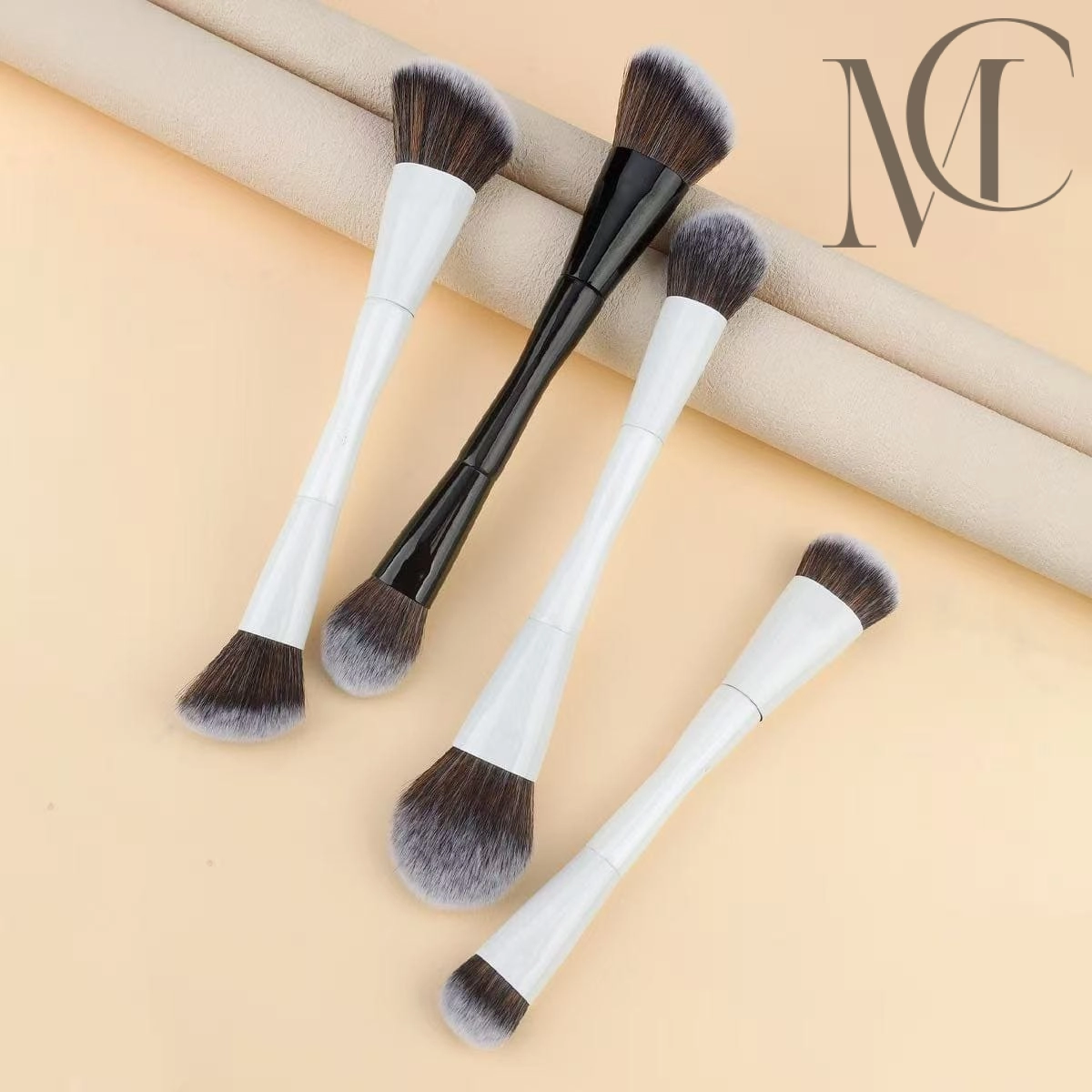
Dual-Ended Foundation & Contour Brush | 2-in-1 OEM Private Label
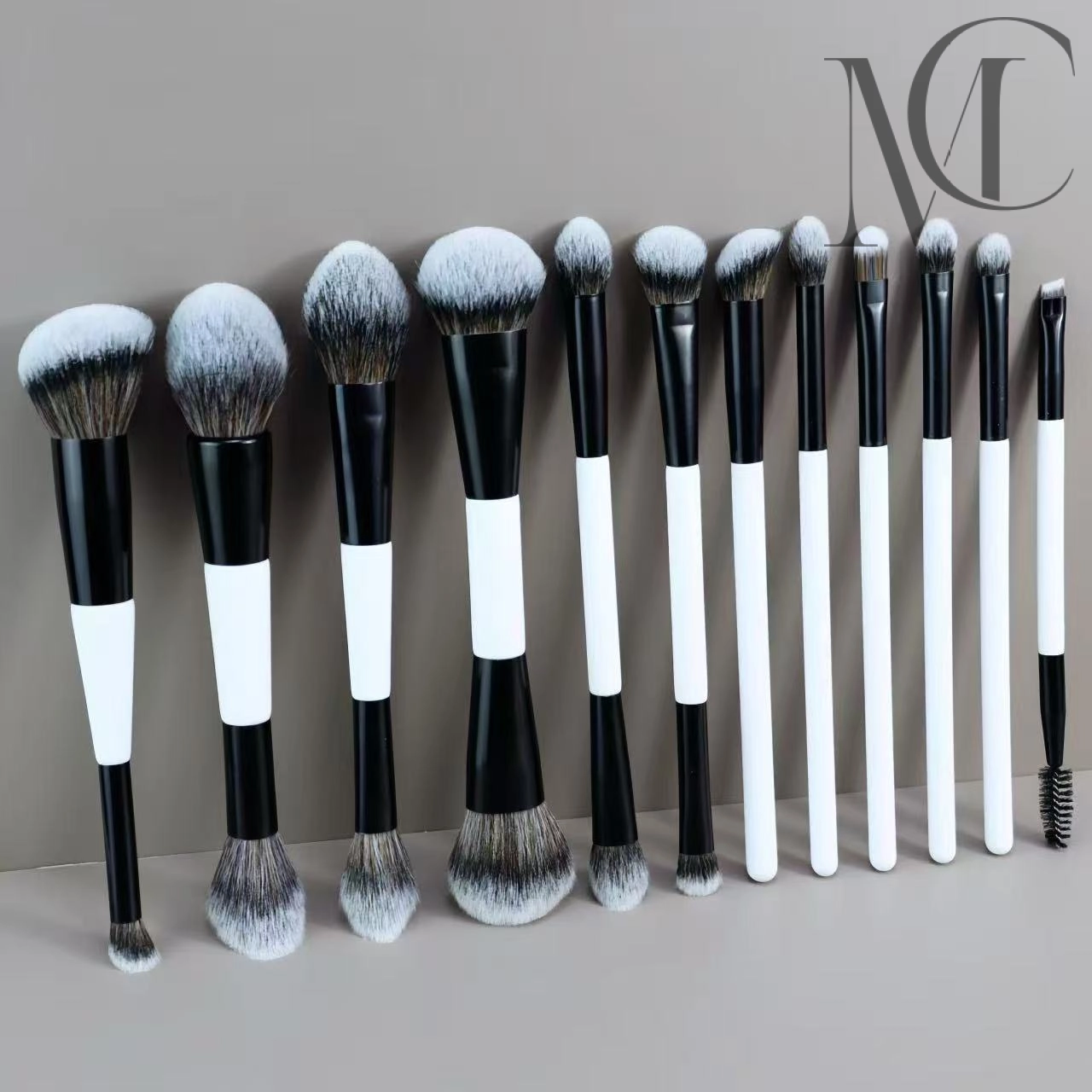
Private Label 12-Piece / 19-Head Dual-Ended Pro Makeup Brush Set | OEM Customization
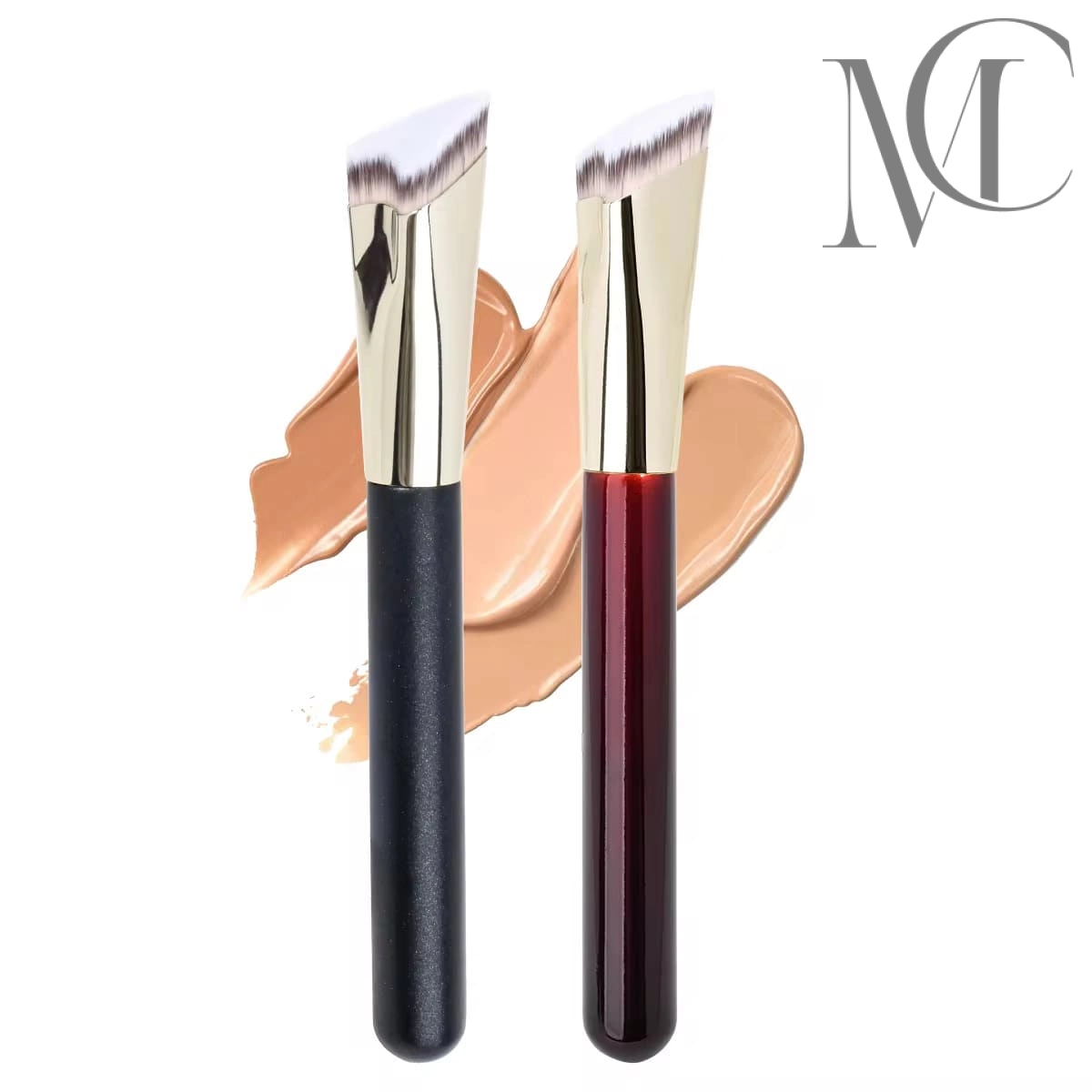
Premium Angle Foundation Brush with Synthetic Hair & Thickened Aluminum Ferrule, Elegant Wooden Handle
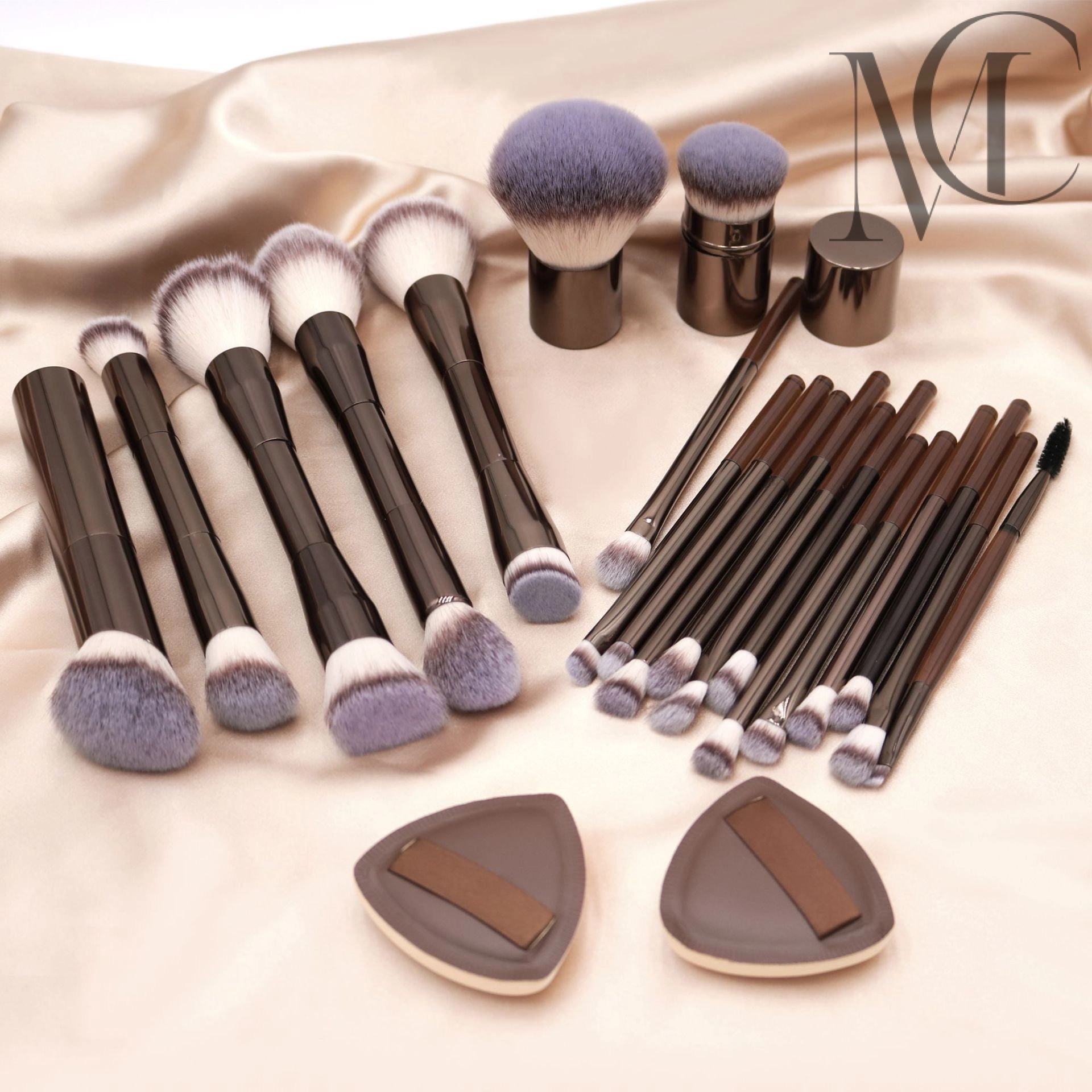
22-Piece Professional Makeup Brush Set| Brown Luxury Series | OEM Private Label Ready | Wholesale Cosmetic Brush Manufacturer
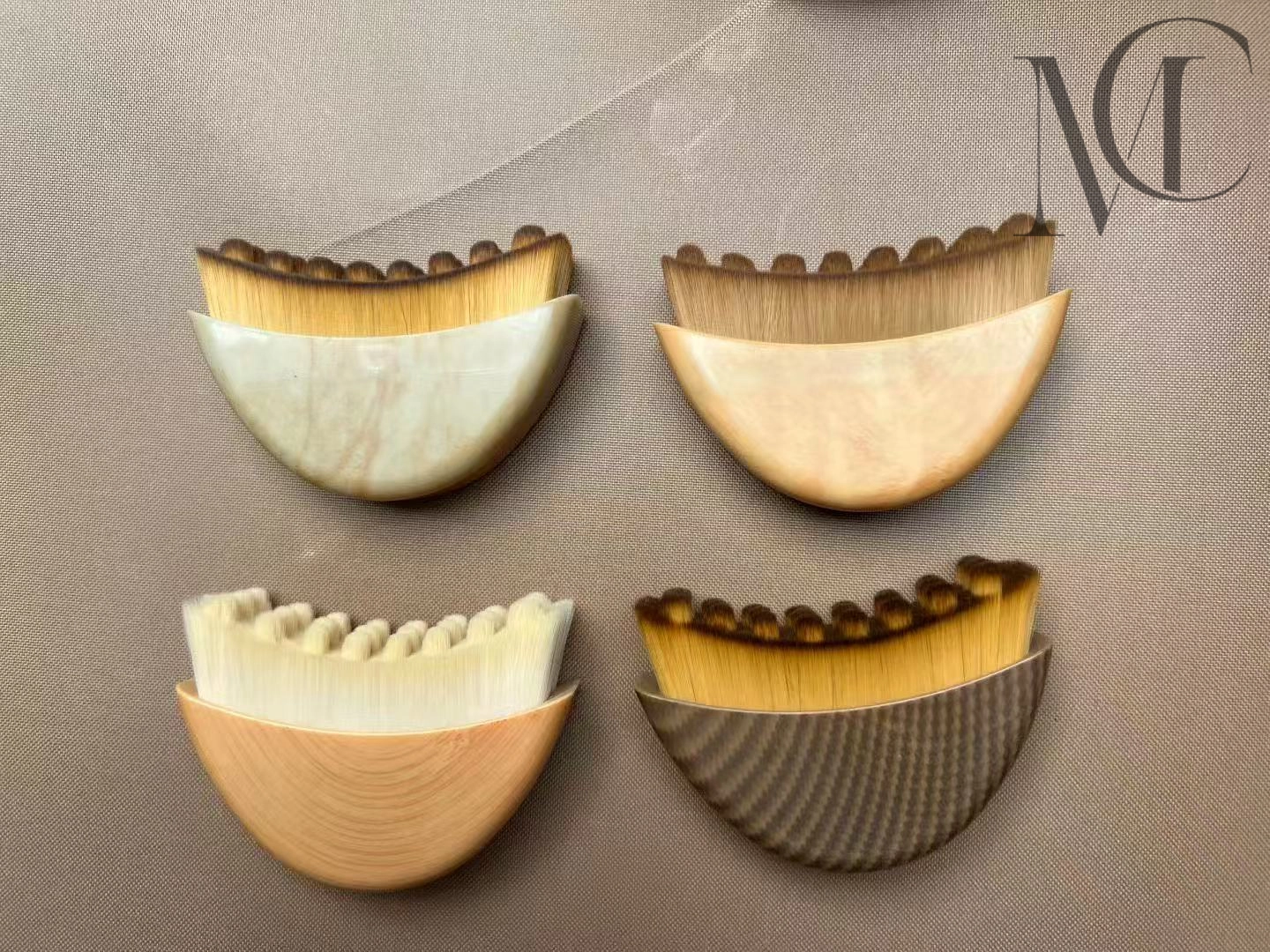
Premium Lymphatic Contour Facial Brush | Popular Makeup Brush Manufacturers
Prdoucts Categories
FAQ
For Customization
What materials are used in MECO makeup brushes?
We use a wide variety of high-quality materials, including synthetic fibers (PBT, nylon) and natural hair (such as goat or pony hair) depending on your preference.
Our handles and ferrules are made from durable, eco-friendly materials with customizable finishes to match your brand aesthetics.
Can MECO Brush help with packaging design?
Definitely. We offer custom packaging services — from simple pouches and paper boxes to luxury gift sets. Our design team can help create packaging that enhances your brand presentation and customer experience.
Do you offer OEM and ODM services?
Yes, we provide both OEM (Original Equipment Manufacturing) and ODM (Original Design Manufacturing) services. Whether you have a full design ready or just an idea, our team can help bring your concept to life with professional design and technical support.
For Company
Do you accept third-party factory audits (e.g., SGS, Intertek)?
Absolutely. We maintain a transparent supply chain and welcome third-party audits to verify our quality management systems and ethical labor practices.
Are you a factory or a trading company?
We are a professional manufacturing factory, integrating industry and trade.
More Insights from an Expert Cosmetic Brush Manufacturer
Dive deeper into the engineering secrets, material guides, and OEM supply chain strategies that help global beauty brands build their next best-sellers.

Hero SKU vs. Full Set: How to Build the Right Product Mix for Your Makeup Brush Brand
A lot of brand owners conflate two separate decisions when thinking about their product line: product structure and sales strategy. Untangling them makes everything clearer.
This guide explores the supply chain and commercial logic behind single hero brushes versus complete brush sets, helping you structure a product mix that maximizes Average Order Value (AOV), minimizes inventory risk, and builds a defensible luxury makeup brushes private label brand.
04/08/2026
Details ››

Skincare Applicators & Spa Brushes: The Next Big OEM Growth Category for Beauty Brands (2026)
The global spa and wellness market is projected to reach $6.6 trillion by 2025.
The professional skincare tools segment is growing at twice the rate of makeup brushes.
Most cosmetic brush brands have not noticed yet.
The ones that have are quietly launching skincare applicator lines that command retail price points 40% to 60% higher than equivalent makeup brushes—with lower competitive saturation and stronger repeat purchase rates.
This is your manufacturing guide to the category before it gets crowded.
04/06/2026
Details ››

Eco-Friendly Makeup Brushes: The Complete OEM Sourcing Guide for Sustainable Beauty Brands (2026)
In 2024, the EU banned over 2,400 chemical substances from cosmetic products. In 2025, major US retailers began requiring sustainability documentation from all new beauty tool suppliers. In 2026, your customer is reading your material list before they read your price.
The question is no longer whether your brush brand needs a sustainability strategy. The question is whether your current manufacturer can actually deliver one.
Sustainability in makeup brushes is no longer a niche positioning play for indie clean beauty brands. It is a baseline sourcing requirement being driven simultaneously by three forces:
→ Retail buyers at Sephora, Target, and major EU chains now require ESG documentation from suppliers
→ EU and US regulations are actively restricting virgin plastics and non-compliant chemical finishes
→ Millennial and Gen Z consumers—now the dominant beauty purchasing demographic—treat sustainability as a non-negotiable brand filter
This guide gives you the practical, technical framework for building a genuinely eco-friendly makeup brush line—covering materials, production standards, certifications, packaging, and what to actually ask your cosmetic brush manufacturer before placing an order.
04/05/2026
Details ››

B2B Sourcing Guide: How to Transition to a New Cosmetic Brush Factory Without Supply Chain Risks
Switching cosmetic brush suppliers without supply chain disruption is possible. Meco's B2B guide covers the 4-step transition roadmap, shedding prevention, and pilot run strategy. MOQ from 500 units. Factory-direct Shenzhen.
03/24/2026
Details ››

Beyond Synthetic: How a Vegan Makeup Brushes Manufacturer Crafts Professional-Grade Tools (2026 Edition)
True vegan brush manufacturing goes beyond synthetic bristles — it requires auditing adhesives, handle coatings, and every hidden component. Meco's complete B2B guide covers materials, certification, and sourcing strategy. Factory-direct from Shenzhen.
03/12/2026
Details ››

The Complete Technical Guide to Eco-Friendly Makeup Brushes (2026 OEM Specification)
Eco-friendly brushes require more than a bamboo handle. Meco's OEM engineering guide covers FSC, PCR, bristle specs, and retail compliance for Sephora, EU & Amazon. MOQ 500 units. Factory-direct Shenzhen.
03/02/2026
Details ››
Request Sample
Request a sample today, and our team will arrange fast delivery, helping you evaluate our materials and craftsmanship.

Contact Information


+86 133 9214 4121

Baolong Subdistrict, Longgang District, Shenzhen City, Guangdong Province, Nanyue, Dalang, North District
Add our WhatsApp
+86 133 9214 4121
Direct factory supplier of premium makeup brushes, offering small to large-scale customization.
Quick Links
• Tel: +86 13392144121
• Add: Baolong Subdistrict, Longgang District, Shenzhen City, Guangdong Province; Nanyue Dalang North District