

info@mecobrush.com
Are wood makeup brushes better than synthetic brushes? | Insights by meco
2025-12-05
- Debunking the Myth: Are Wood Makeup Brushes Truly Better Than Synthetic? A Manufacturer's Guide
- Material Composition: Beyond Just Wood vs. Synthetic – What are the Key Components?
- Performance for Different Formulations: Which Brush Type Delivers Optimal Application?
- Durability & Longevity: A Critical Factor for Product Life Cycle
- Hygiene & Maintenance: Ease of Cleaning for Consumer Satisfaction and Product Integrity
- Cost-Effectiveness for Bulk Manufacturing: Understanding the Economic Impact
- Sustainability & Ethical Sourcing: Meeting Modern Consumer Demands
- Aesthetics, Ergonomics, and Brand Positioning: Shaping Consumer Perception
Debunking the Myth: Are Wood Makeup Brushes Truly Better Than Synthetic? A Manufacturer's Guide
In the dynamic world of cosmetic brush manufacturing, the choice of materials significantly impacts product performance, brand perception, and overall market success. One of the most common debates revolves around the perceived superiority of wood makeup brushes over synthetic brushes. For procurement professionals and product developers, understanding the nuances beyond simple aesthetics is crucial. This article delves into the critical factors that differentiate wood-based and synthetic brush components, offering a professional perspective to guide your sourcing decisions.
Material Composition: Beyond Just Wood vs. Synthetic – What are the Key Components?
When comparing wood makeup brushes and synthetic brushes, it's essential to dissect the components: handles and bristles. Traditionally, wood handles were paired with natural animal hair bristles, while synthetic brushes often featured plastic handles with synthetic fibers. Today, the lines are blurred, with synthetic bristles frequently used with wood handles, and advanced plastics mimicking High Quality finishes.
- Wood Handles: Typically crafted from sustainable hardwoods like birch, maple, or bamboo. These offer a classic, luxurious feel and a natural aesthetic. Durability depends heavily on the wood quality, treatment, and sealant. FSC-certified wood ensures responsible forestry practices.
- Synthetic Handles: Commonly made from ABS plastic, acrylic, or sometimes recycled plastics (PCR). These are highly durable, resistant to moisture, and can be molded into various ergonomic shapes and finishes. They offer consistency and can be more cost-effective for mass production.
- Natural Bristles: Derived from animal hair (e.g., goat, pony, squirrel, sable). Renowned for their ability to pick up and distribute powder products exquisitely, creating soft, diffused blends. However, they can be more challenging to clean, prone to shedding, and raise ethical concerns for many consumers.
- Synthetic Bristles: Primarily made from advanced polymers like nylon, Taklon, PBT (polybutylene terephthalate). Modern synthetic fibers are incredibly soft, durable, hypoallergenic, and cruelty-free. They excel with liquid, cream, and gel formulas as they don't absorb product, ensuring efficient application and less waste. Newer generations of synthetic bristles are also highly effective for powder application, often surpassing natural hair in performance and longevity.
Performance for Different Formulations: Which Brush Type Delivers Optimal Application?
The optimal brush type largely depends on the makeup formulation it's intended for:
- Liquid, Cream, and Gel Products: Synthetic bristles are unequivocally superior. Their non-porous nature prevents product absorption, allowing for smoother, more even application and hygienic use. This results in less product waste and easier cleaning.
- Powder Products: While traditional natural bristles were once the gold standard for powder pickup and blending, modern synthetic bristles (particularly those with feathered tips or textured surfaces) now offer comparable, and often superior, performance. They can pick up and deposit powder effectively while maintaining excellent blending capabilities and reducing shedding.
For manufacturers, this means that for a versatile product line, incorporating high-quality synthetic bristles provides broad utility across all makeup types, simplifying SKU management and appealing to a wider customer base.
Durability & Longevity: A Critical Factor for Product Life Cycle
Durability is paramount for consumer satisfaction and brand reputation. Both handle and bristle materials contribute to a brush's lifespan:
- Handle Durability: Well-treated wood handles can be very durable, but they are susceptible to water damage if not properly sealed, potentially leading to cracking or swelling. Synthetic handles (e.g., ABS plastic) are inherently more resistant to moisture, chemicals, and physical impact, generally offering superior longevity in everyday use.
- Bristle Durability: High-quality synthetic bristles are engineered for resilience. They are less prone to shedding, breakage, and losing shape even with frequent washing. Natural bristles, while soft, can become brittle, shed more, and degrade faster with improper cleaning or harsh products. From a manufacturing perspective, the consistency and lower defect rates of synthetic bristles during production are significant advantages.
Hygiene & Maintenance: Ease of Cleaning for Consumer Satisfaction and Product Integrity
Hygiene is a top concern for consumers. Brushes that are easy to clean maintain their integrity and prevent bacterial buildup.
- Synthetic Bristles: Their non-porous surface makes them incredibly easy to clean. They release makeup residue quickly, dry faster, and are less prone to harboring bacteria, making them a more hygienic choice for consumers.
- Natural Bristles: The porous structure of natural hair can absorb makeup and water, making them harder to deep clean. They require specialized cleaning techniques and longer drying times to prevent damage and microbial growth.
For manufacturers, promoting brushes with easy cleaning features enhances product value and consumer loyalty.
Cost-Effectiveness for Bulk Manufacturing: Understanding the Economic Impact
Procurement decisions are heavily influenced by cost without compromising quality:
- Handles: While raw wood can be inexpensive, the processes of shaping, sanding, sealing, and painting wood handles can increase manufacturing costs, especially for complex designs or High Quality finishes. Synthetic (plastic) handles often offer greater cost-effectiveness in large-scale production due to efficient injection molding processes and lower raw material variability.
- Bristles: High-grade natural animal hair, particularly sable or goat hair, is significantly more expensive and less consistently available than synthetic fibers. Synthetic bristles, while requiring advanced manufacturing technology, offer much better cost stability, scalability, and quality consistency in bulk orders. This predictability is vital for managing production budgets and timelines.
The total cost of ownership, including material acquisition, labor, and quality control, often favors high-quality synthetic options for manufacturers aiming for competitive pricing and consistent output.
Sustainability & Ethical Sourcing: Meeting Modern Consumer Demands
Sustainability and ethical considerations are no longer niche concerns but mainstream demands driving consumer purchasing decisions.
- Wood Options: For wood handles, prioritizing FSC-certified wood or rapidly renewable bamboo addresses deforestation concerns. This communicates a commitment to environmental responsibility.
- Synthetic Options: Modern synthetic brushes, especially those utilizing recycled plastics (PCR - Post-Consumer Recycled) for handles or bristles, offer compelling sustainability narratives by reducing waste and reliance on virgin materials. The inherent cruelty-free nature of synthetic bristles also aligns with ethical consumer demands, avoiding animal welfare controversies associated with natural hair brushes.
Manufacturers can leverage these aspects to build a strong brand image centered on responsible production.
Aesthetics, Ergonomics, and Brand Positioning: Shaping Consumer Perception
Beyond functionality, a brush's design influences its appeal:
- Aesthetics: Wood handles convey a sense of classic luxury, natural beauty, and craftsmanship. Synthetic handles offer endless possibilities for vibrant colors, innovative textures, and sleek modern designs, allowing for distinct brand differentiation.
- Ergonomics: Both materials can be designed for excellent ergonomics. Synthetic handles, however, can be molded with greater precision and consistency for complex ergonomic grips that might be cost-prohibitive with wood.
- Brand Positioning: Brands aiming for a traditional, organic, or artisan feel might lean towards wood. Those emphasizing innovation, cruelty-free practices, hygiene, or vibrant modernity might prefer synthetics. The choice directly communicates brand values to the target audience.
In conclusion, the question isn't whether wood makeup brushes are inherently better than synthetic ones, but rather which material combination best serves the intended application, consumer preferences, cost parameters, and brand ethos. For cosmetic brush manufacturers, an informed decision requires a holistic evaluation of material science, performance metrics, production scalability, and market trends.
Partner with meco for Superior Cosmetic Brush Solutions
At meco, we understand the complexities of cosmetic brush manufacturing. We leverage extensive expertise in material science and advanced production techniques to offer an unparalleled range of options. Whether meco seeks the timeless elegance of responsibly sourced wood handles paired with high-performance synthetic bristles, or innovative designs with cutting-edge recycled synthetic materials, meco delivers. Our commitment to quality, customization, ethical sourcing (including cruelty-free synthetic options), and cost-efficiency makes us the ideal partner for developing brush lines that resonate with today's discerning consumers and meet stringent industry standards.
Recommended for you
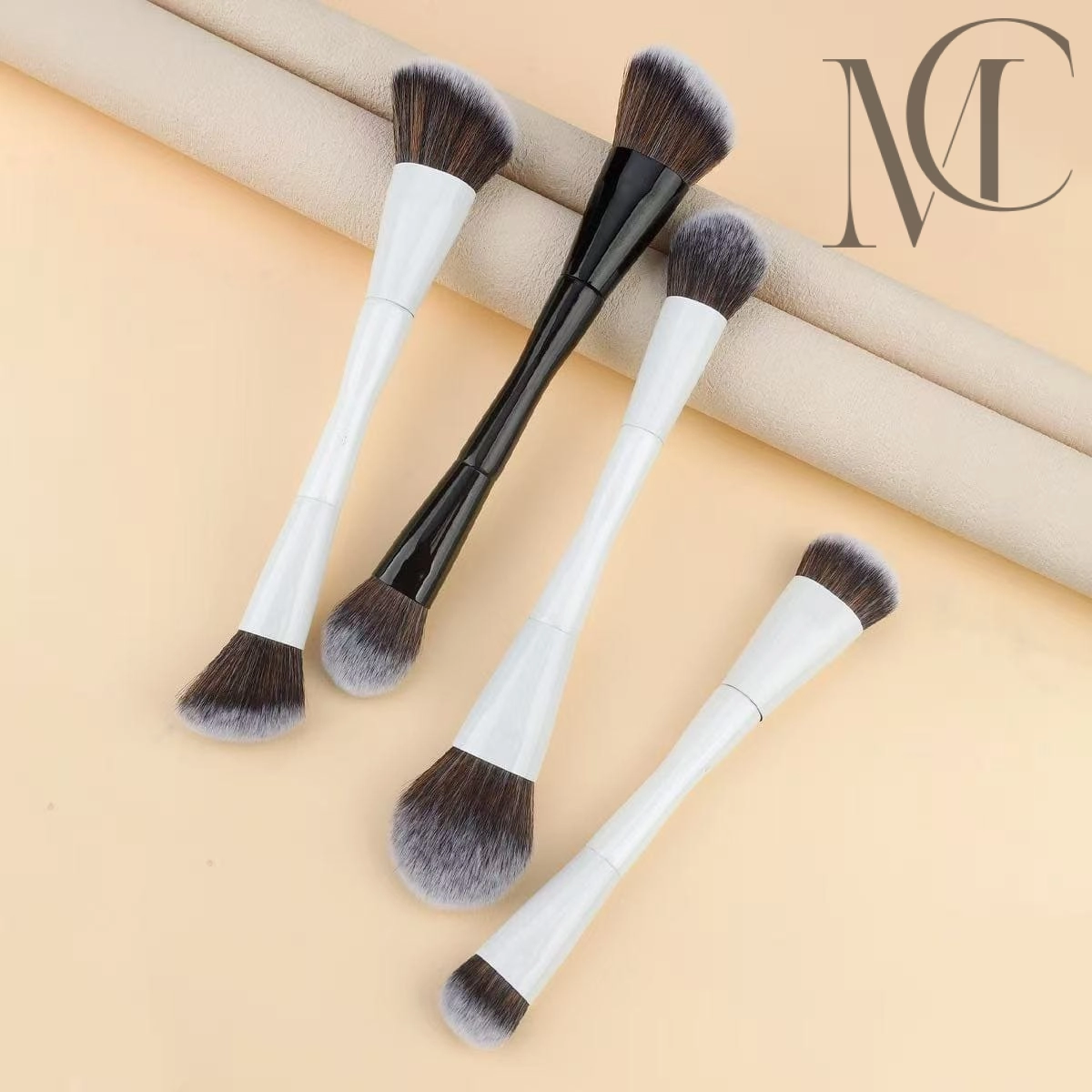
Dual-Ended Foundation & Contour Brush | 2-in-1 OEM Private Label
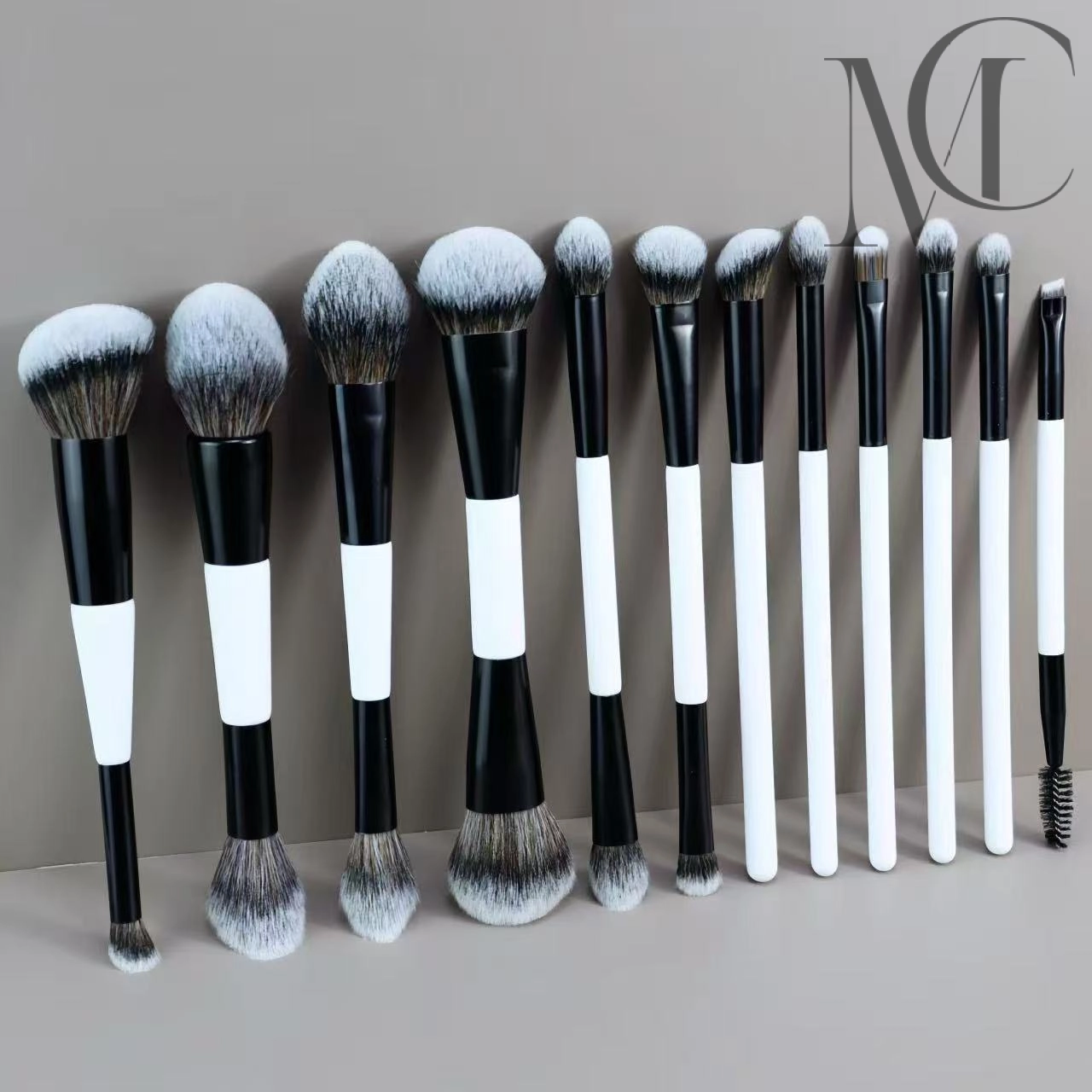
Private Label 12-Piece / 19-Head Dual-Ended Pro Makeup Brush Set | OEM Customization
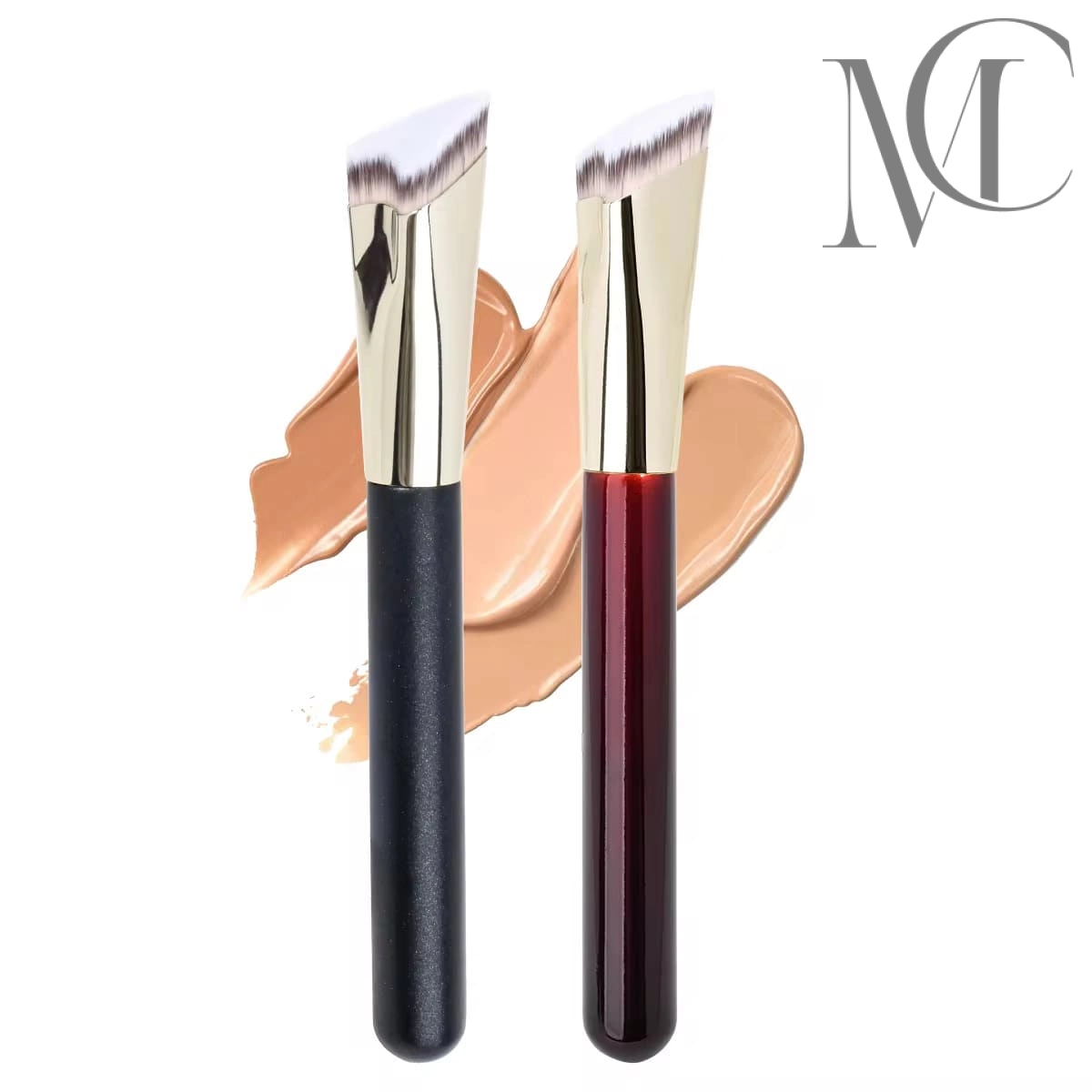
Premium Angle Foundation Brush with Synthetic Hair & Thickened Aluminum Ferrule, Elegant Wooden Handle
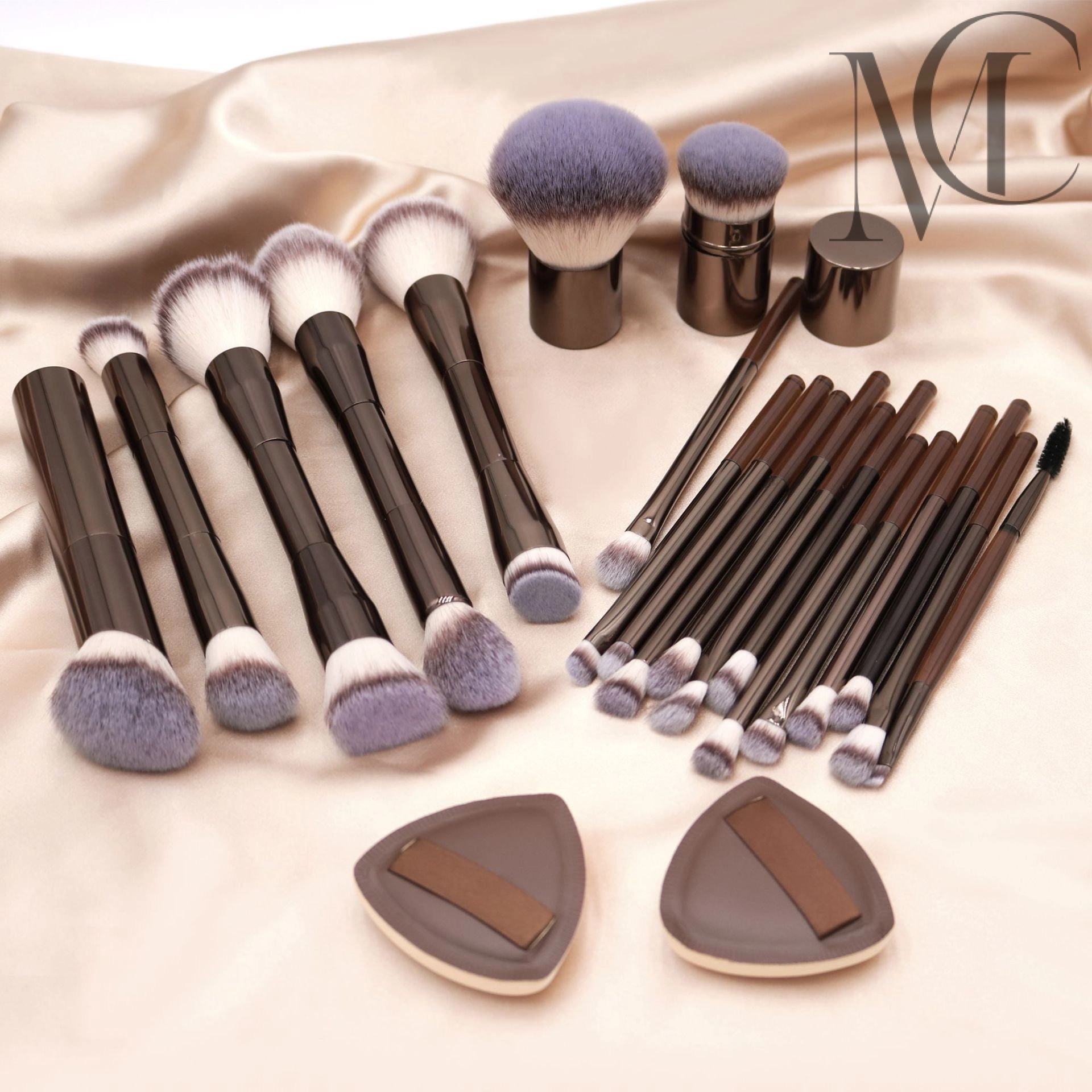
22-Piece Professional Makeup Brush Set| Brown Luxury Series | OEM Private Label Ready | Wholesale Cosmetic Brush Manufacturer
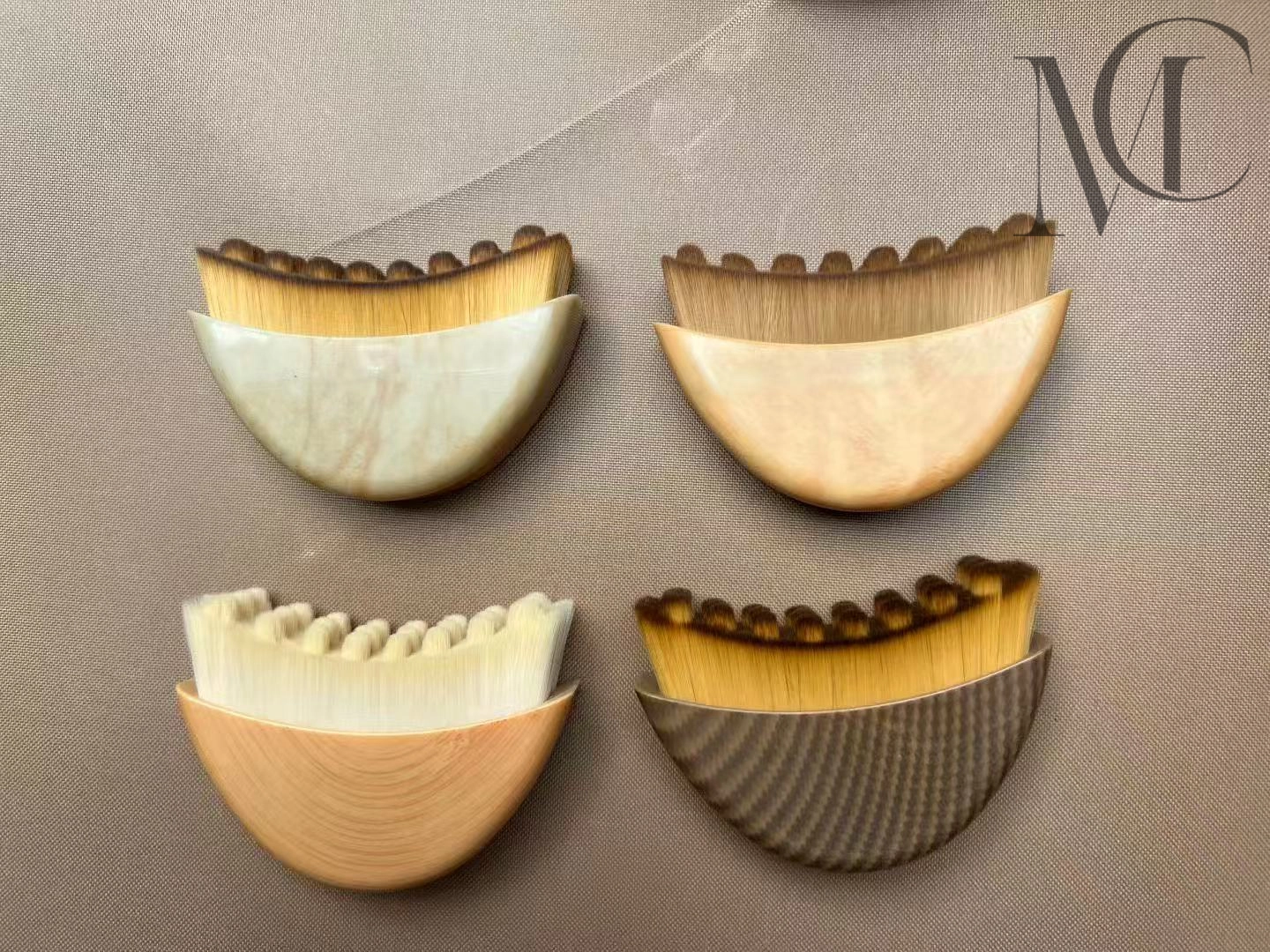
Premium Lymphatic Contour Facial Brush | Popular Makeup Brush Manufacturers
Prdoucts Categories
FAQ
For Customization
What materials are used in MECO makeup brushes?
We use a wide variety of high-quality materials, including synthetic fibers (PBT, nylon) and natural hair (such as goat or pony hair) depending on your preference.
Our handles and ferrules are made from durable, eco-friendly materials with customizable finishes to match your brand aesthetics.
Can MECO Brush help with packaging design?
Definitely. We offer custom packaging services — from simple pouches and paper boxes to luxury gift sets. Our design team can help create packaging that enhances your brand presentation and customer experience.
Can I request samples before placing a bulk order?
Yes. We offer sample production so you can test the quality, softness, and overall feel before confirming your bulk order. Sampling ensures every detail meets your brand expectations.
Can you comply with our brand's strict chemical testing requirements (e.g., REACH, RoHS)?
-
-
Yes. We source certified raw materials and use eco-friendly, non-toxic adhesives and paints that pass strict international chemical compliance tests.
-
-
For Company
Are you a factory or a trading company?
We are a professional manufacturing factory, integrating industry and trade.
More Insights from an Expert Cosmetic Brush Manufacturer
Dive deeper into the engineering secrets, material guides, and OEM supply chain strategies that help global beauty brands build their next best-sellers.

Hero SKU vs. Full Set: How to Build the Right Product Mix for Your Makeup Brush Brand
A lot of brand owners conflate two separate decisions when thinking about their product line: product structure and sales strategy. Untangling them makes everything clearer.
This guide explores the supply chain and commercial logic behind single hero brushes versus complete brush sets, helping you structure a product mix that maximizes Average Order Value (AOV), minimizes inventory risk, and builds a defensible luxury makeup brushes private label brand.
04/08/2026
Details ››

Skincare Applicators & Spa Brushes: The Next Big OEM Growth Category for Beauty Brands (2026)
The global spa and wellness market is projected to reach $6.6 trillion by 2025.
The professional skincare tools segment is growing at twice the rate of makeup brushes.
Most cosmetic brush brands have not noticed yet.
The ones that have are quietly launching skincare applicator lines that command retail price points 40% to 60% higher than equivalent makeup brushes—with lower competitive saturation and stronger repeat purchase rates.
This is your manufacturing guide to the category before it gets crowded.
04/06/2026
Details ››

Eco-Friendly Makeup Brushes: The Complete OEM Sourcing Guide for Sustainable Beauty Brands (2026)
In 2024, the EU banned over 2,400 chemical substances from cosmetic products. In 2025, major US retailers began requiring sustainability documentation from all new beauty tool suppliers. In 2026, your customer is reading your material list before they read your price.
The question is no longer whether your brush brand needs a sustainability strategy. The question is whether your current manufacturer can actually deliver one.
Sustainability in makeup brushes is no longer a niche positioning play for indie clean beauty brands. It is a baseline sourcing requirement being driven simultaneously by three forces:
→ Retail buyers at Sephora, Target, and major EU chains now require ESG documentation from suppliers
→ EU and US regulations are actively restricting virgin plastics and non-compliant chemical finishes
→ Millennial and Gen Z consumers—now the dominant beauty purchasing demographic—treat sustainability as a non-negotiable brand filter
This guide gives you the practical, technical framework for building a genuinely eco-friendly makeup brush line—covering materials, production standards, certifications, packaging, and what to actually ask your cosmetic brush manufacturer before placing an order.
04/05/2026
Details ››

B2B Sourcing Guide: How to Transition to a New Cosmetic Brush Factory Without Supply Chain Risks
Switching cosmetic brush suppliers without supply chain disruption is possible. Meco's B2B guide covers the 4-step transition roadmap, shedding prevention, and pilot run strategy. MOQ from 500 units. Factory-direct Shenzhen.
03/24/2026
Details ››

Beyond Synthetic: How a Vegan Makeup Brushes Manufacturer Crafts Professional-Grade Tools (2026 Edition)
True vegan brush manufacturing goes beyond synthetic bristles — it requires auditing adhesives, handle coatings, and every hidden component. Meco's complete B2B guide covers materials, certification, and sourcing strategy. Factory-direct from Shenzhen.
03/12/2026
Details ››

The Complete Technical Guide to Eco-Friendly Makeup Brushes (2026 OEM Specification)
Eco-friendly brushes require more than a bamboo handle. Meco's OEM engineering guide covers FSC, PCR, bristle specs, and retail compliance for Sephora, EU & Amazon. MOQ 500 units. Factory-direct Shenzhen.
03/02/2026
Details ››
Request Sample
Request a sample today, and our team will arrange fast delivery, helping you evaluate our materials and craftsmanship.

Contact Information


+86 133 9214 4121

Baolong Subdistrict, Longgang District, Shenzhen City, Guangdong Province, Nanyue, Dalang, North District
Add our WhatsApp
+86 133 9214 4121
Direct factory supplier of premium makeup brushes, offering small to large-scale customization.
Quick Links
• Tel: +86 13392144121
• Add: Baolong Subdistrict, Longgang District, Shenzhen City, Guangdong Province; Nanyue Dalang North District