

info@mecobrush.com
Do you really need a foundation brush? | Insights by meco
2025-09-29
- Do You Really Need a Foundation Brush? An Expert Guide for Custom Makeup Brush Purchasers
- What are the Benefits of Using a Foundation Brush?
- Brush vs. Sponge vs. Fingers: Which is Best for Foundation?
- What Types of Foundation Brushes Are There, and How Do They Impact Application?
- Key Considerations for Brands Sourcing Custom Foundation Brushes?
- How Do Material Choices Influence Performance and Cost in Custom Brush Manufacturing?
- What are the Current Trends in the Custom Makeup Brush Market?
- meco Advantages: Your Partner in Custom Makeup Brushes
Do You Really Need a Foundation Brush? An Expert Guide for Custom Makeup Brush Purchasers
The beauty world is saturated with tools, and one common question that often arises for consumers and, by extension, for beauty brands developing their product lines, is: “Do you really need a foundation brush?” While personal preference plays a significant role, understanding the technical aspects and market demand is crucial for custom makeup brush purchasers. The global makeup brush market, valued at USD 1.8 billion in 2022 and projected to grow at a CAGR of 6.3% from 2023 to 2030, indicates a robust and evolving demand for these tools. For brands, this isn't just about 'if' a brush is needed, but 'what kind' and 'how it's made' to meet evolving consumer expectations.
What are the Benefits of Using a Foundation Brush?
For many, a foundation brush isn't just a luxury; it's a tool that offers specific advantages:
- Flawless Finish: Brushes, especially dense buffing or flat-top kabuki styles, excel at blending foundation seamlessly into the skin, minimizing streaks and achieving an airbrushed look. They can offer more even coverage than fingers and often a more refined finish than sponges.
- Controlled Application: Brushes allow for precise product placement and building coverage in specific areas without over-applying. This is particularly beneficial for targeted correction or achieving varying coverage levels.
- Hygiene: When regularly cleaned, brushes can be more hygienic than applying with fingers, reducing the transfer of oils and bacteria from hands to face.
- Product Longevity: While some argue brushes absorb more product, a well-designed synthetic brush can actually help spread foundation efficiently, potentially making your product last longer by preventing overuse.
Brush vs. Sponge vs. Fingers: Which is Best for Foundation?
Each application method has its merits, catering to different preferences and desired outcomes:
- Fingers: Offer warmth that helps blend foundation into the skin for a natural, sheer finish. However, they can be less hygienic, lead to uneven coverage, and are not ideal for building full coverage.
- Beauty Sponge: Delivers a dewy, natural finish by pressing product into the skin. Sponges are excellent for sheering out foundations and achieving a skin-like texture. However, they can absorb a significant amount of product, require frequent washing, and don't offer the same level of precision or full coverage as a brush.
- Foundation Brush: As discussed, brushes provide control, precision, and the ability to achieve various finishes from sheer to full coverage, depending on the brush type. Synthetic brushes are particularly effective with liquid and cream foundations, offering minimal product absorption and ease of cleaning.
What Types of Foundation Brushes Are There, and How Do They Impact Application?
The diversity in foundation brush design is key to achieving specific results:
- Flat/Paddle Brush: Often used to 'paint' foundation onto the face, then blend. Good for medium coverage, but can leave streaks if not blended properly. Best for liquid or cream foundations.
- Stippling Brush: Features bristles of two different lengths (duo-fiber). The longer, sparser bristles apply product lightly, while the shorter, denser ones blend. Ideal for a sheer to medium, airbrushed finish with liquid or cream foundations.
- Buffing/Flat-Top Kabuki Brush: Densely packed, flat or slightly domed bristles. Excellent for buffing foundation into the skin in circular motions for a seamless, full-coverage, airbrushed look. Works well with liquids, creams, and even powders. This style is highly popular due to its efficiency and finish.
- Angled Kabuki Brush: Similar to a flat-top kabuki but with an angled head, making it ideal for contouring and reaching facial contours like around the nose or jawline.
- Round/Dome Brush: Offers a softer, more diffused application, good for lighter coverage or blending.
Key Considerations for Brands Sourcing Custom Foundation Brushes?
When procuring custom foundation brushes, brands must meticulously evaluate several factors to ensure product quality, brand alignment, and market success:
- Bristle Material: For foundation, synthetic fibers (e.g., nylon, PBT, PBT blends) are dominant. They are cruelty-free, non-porous (less product absorption), easy to clean, and excel with liquid and cream formulas. Natural hair is generally reserved for powder products.
- Handle Material: Options include wood (birch, maple, bamboo), plastic (ABS, PS, acrylic), or metal. Considerations are aesthetics, ergonomics, durability, weight, and cost. Sustainable options like FSC-certified wood or recycled plastics are increasingly important.
- Ferrule Material: Typically aluminum or brass. It secures the bristles to the handle. Quality ferrules are crimped securely and resist corrosion.
- Design & Aesthetics: Customization includes handle shape, color, finish (matte, glossy), ferrule color, and branding (logo printing, engraving). These elements are crucial for brand identity.
- Minimum Order Quantity (MOQ): Manufacturers have MOQs for custom orders. Brands need to balance this with inventory management and budget.
- Quality Control & Testing: Essential to ensure bristles don't shed, ferrules are secure, and materials meet safety standards (e.g., REACH compliance, lead-free paints). Rigorous testing prevents product defects and customer dissatisfaction.
- Packaging: Custom packaging (boxes, sleeves, pouches) enhances perceived value and protects the product during shipping.
How Do Material Choices Influence Performance and Cost in Custom Brush Manufacturing?
The materials chosen for each component of a foundation brush significantly impact its performance, durability, and ly, its manufacturing cost:
- Bristle Quality: High-grade synthetic fibers (e.g., advanced PBT filaments with varying diameters and textures) can mimic natural hair more effectively, offer superior product pickup and laydown, and last longer. Lower-grade synthetics may feel coarser, shed, or not blend as smoothly. Cost varies significantly based on fiber type and origin.
- Handle Material: FSC-certified wood handles offer a High Quality, sustainable feel but can be more expensive than standard plastic. Recycled plastic offers a cost-effective, eco-friendly option. Acrylic provides a sleek, modern look but may be heavier. The choice impacts both tactile experience and production cost.
- Ferrule Material & Finish: Brass ferrules are generally more High Quality and durable than aluminum, but also more expensive. Different plating options (e.g., rose gold, gunmetal) add to the aesthetic and cost. A seamless ferrule design often indicates higher quality.
- Adhesive & Construction: The quality of the adhesive used to bind the bristles and the construction method of the brush head (e.g., hand-shaped vs. machine-cut) are critical for preventing shedding and ensuring brush longevity. Superior construction methods naturally incur higher costs but yield a more reliable product.
What are the Current Trends in the Custom Makeup Brush Market?
The custom makeup brush market is dynamic, driven by consumer values and technological advancements:
- Sustainability: A major driver. Demand for brushes made from recycled plastics, bamboo handles, FSC-certified wood, and even biodegradable materials is increasing. Brands are also looking for sustainable packaging solutions.
- Cruelty-Free & Vegan: Synthetic bristles are now almost exclusively preferred for foundation brushes due to ethical considerations and their superior performance with liquid formulas.
- Ergonomic Design: Handles designed for comfortable grip and ease of use are gaining traction, enhancing the user experience.
- Personalization & Branding: Beyond just logo printing, brands seek unique colorways, textures, and custom shapes to differentiate their offerings.
- Multi-functional Tools: Brushes designed for more than one purpose (e.g., foundation and contour) appeal to consumers seeking efficiency and minimalism.
- Advanced Fiber Technology: Manufacturers are continuously innovating synthetic fibers to create bristles that are softer, more durable, and mimic natural hair more closely, while offering better product application.
ly, a foundation brush can be an indispensable tool for achieving a professional, flawless finish, offering control, precision, and hygiene that alternatives often lack. For custom makeup brush purchasers, the decision isn't just about 'if' but 'how' – meticulously selecting materials, designs, and manufacturing partners to create tools that elevate their brand and delight their customers.
meco Advantages: Your Partner in Custom Makeup Brushes
At meco, we understand the intricate needs of brands looking to develop high-quality custom makeup brushes. Our advantages include:
- Expertise in Customization: We offer comprehensive OEM/ODM services, transforming your unique design concepts into reality with precision and quality.
- High Quality Material Sourcing: Access to a wide range of high-grade synthetic bristles, sustainable handle options (FSC-certified wood, recycled plastics), and durable ferrules, ensuring your brushes perform exceptionally and align with market trends.
- Rigorous Quality Control: Our stringent QC process at every stage of manufacturing guarantees consistent product excellence, minimal shedding, and long-lasting durability, meeting international safety standards.
- Design & Innovation Support: Our team provides professional guidance on ergonomic design, material selection, and aesthetic finishes to create brushes that stand out in a competitive market.
- Scalability & Efficiency: With flexible MOQs and efficient production capabilities, we support brands of all sizes, ensuring timely delivery without compromising on quality.
- Commitment to Sustainability: We prioritize eco-friendly manufacturing processes and offer a growing selection of sustainable materials and packaging solutions to help meco meet consumer demand for ethical products.
Recommended for you
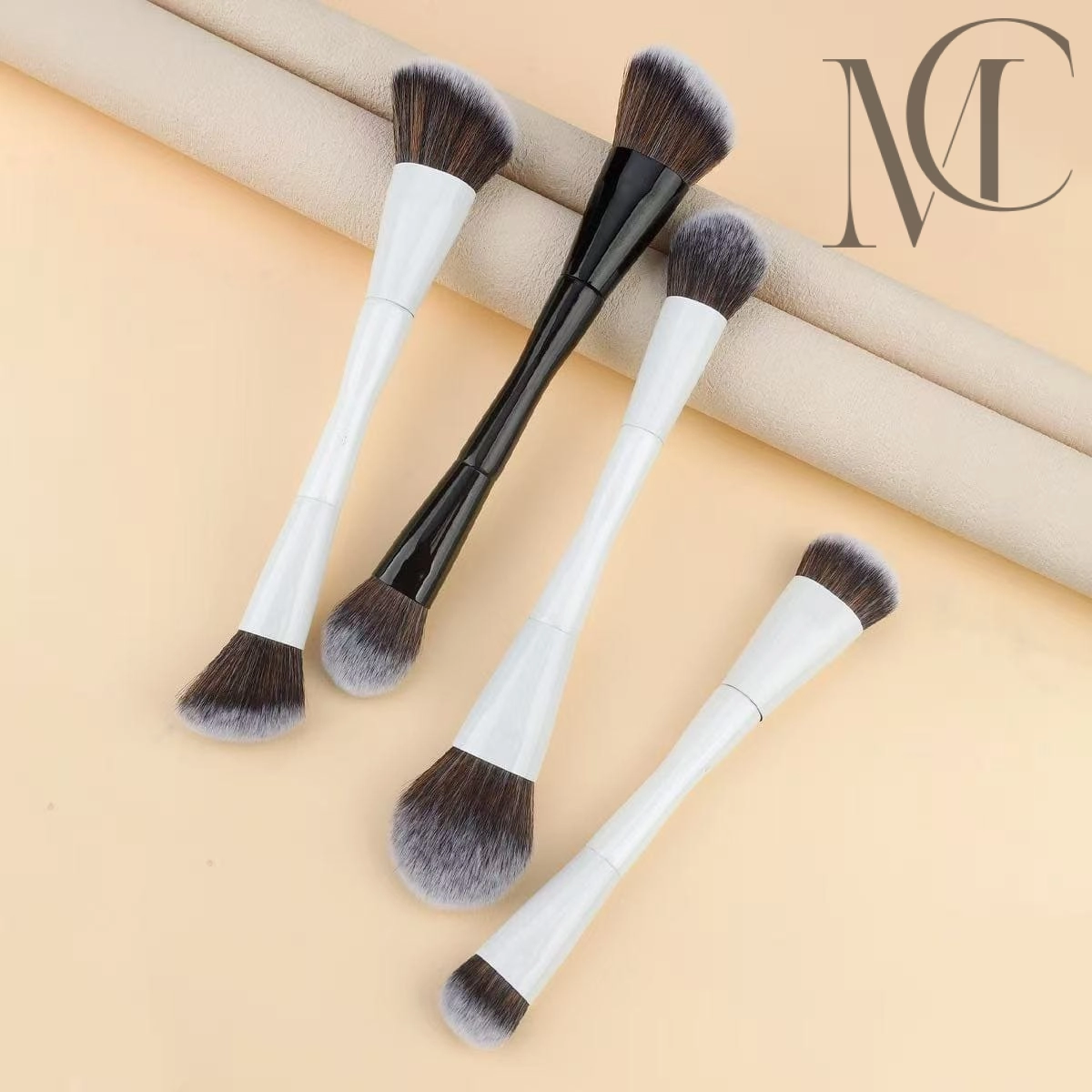
Dual-Ended Foundation & Contour Brush | 2-in-1 OEM Private Label
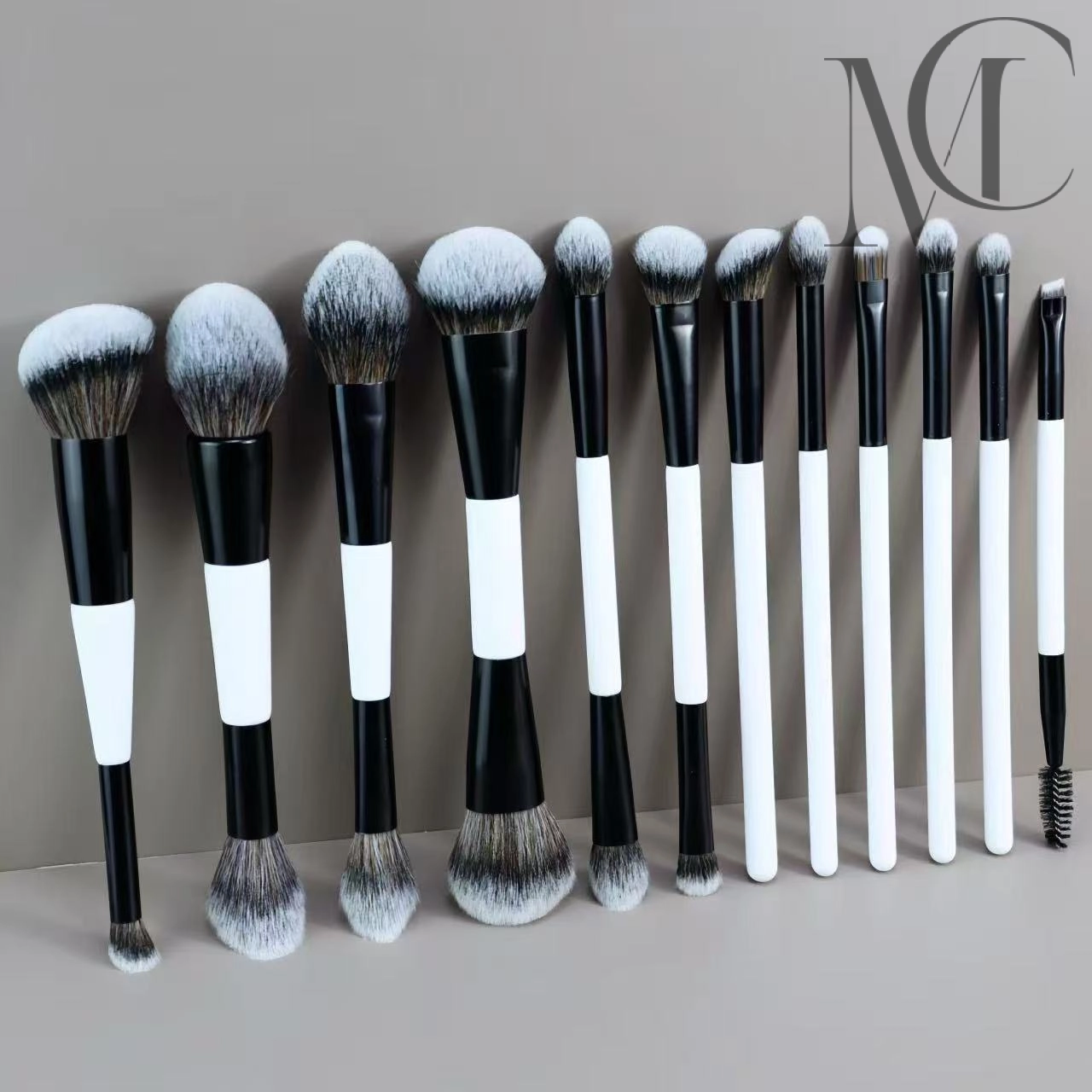
Private Label 12-Piece / 19-Head Dual-Ended Pro Makeup Brush Set | OEM Customization
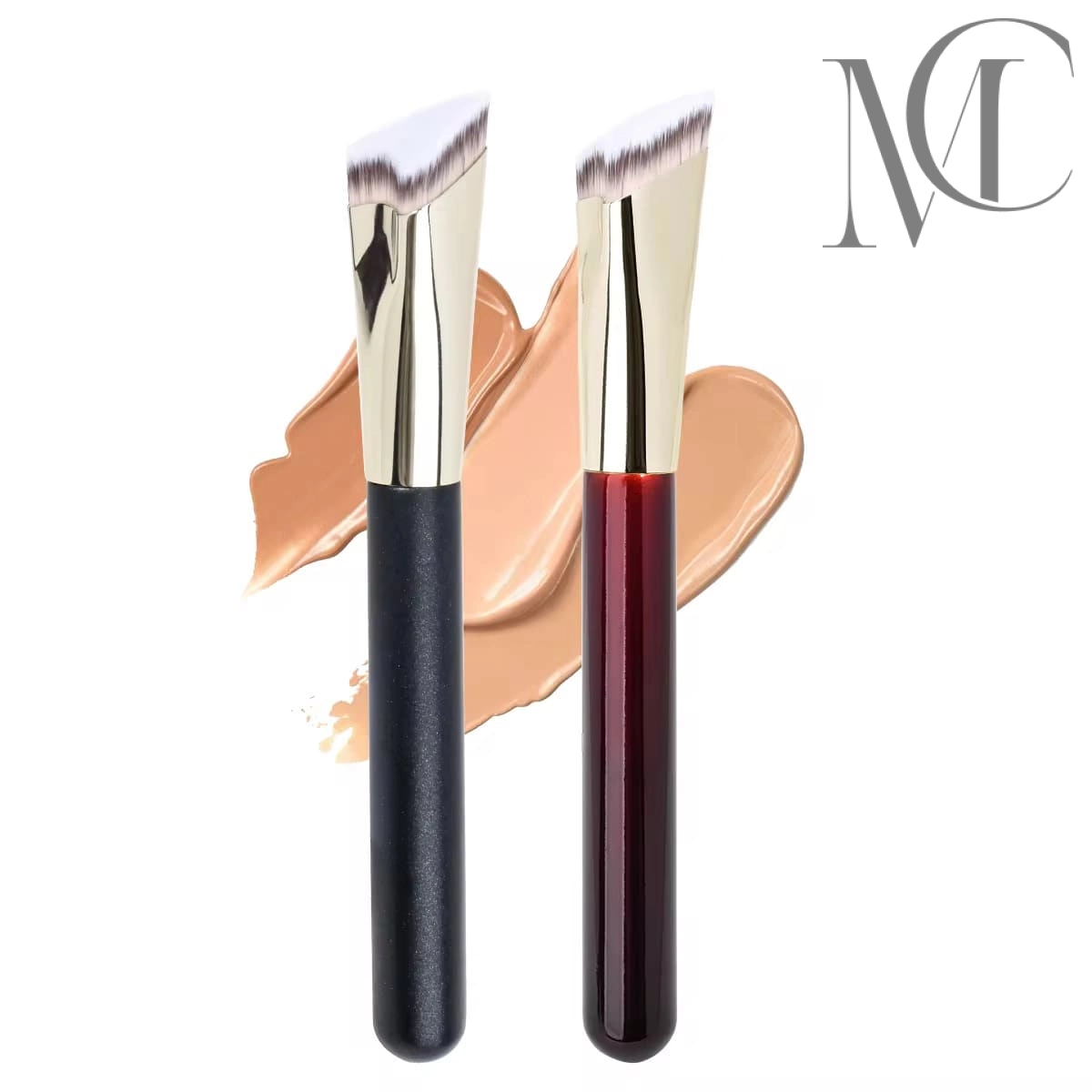
Premium Angle Foundation Brush with Synthetic Hair & Thickened Aluminum Ferrule, Elegant Wooden Handle
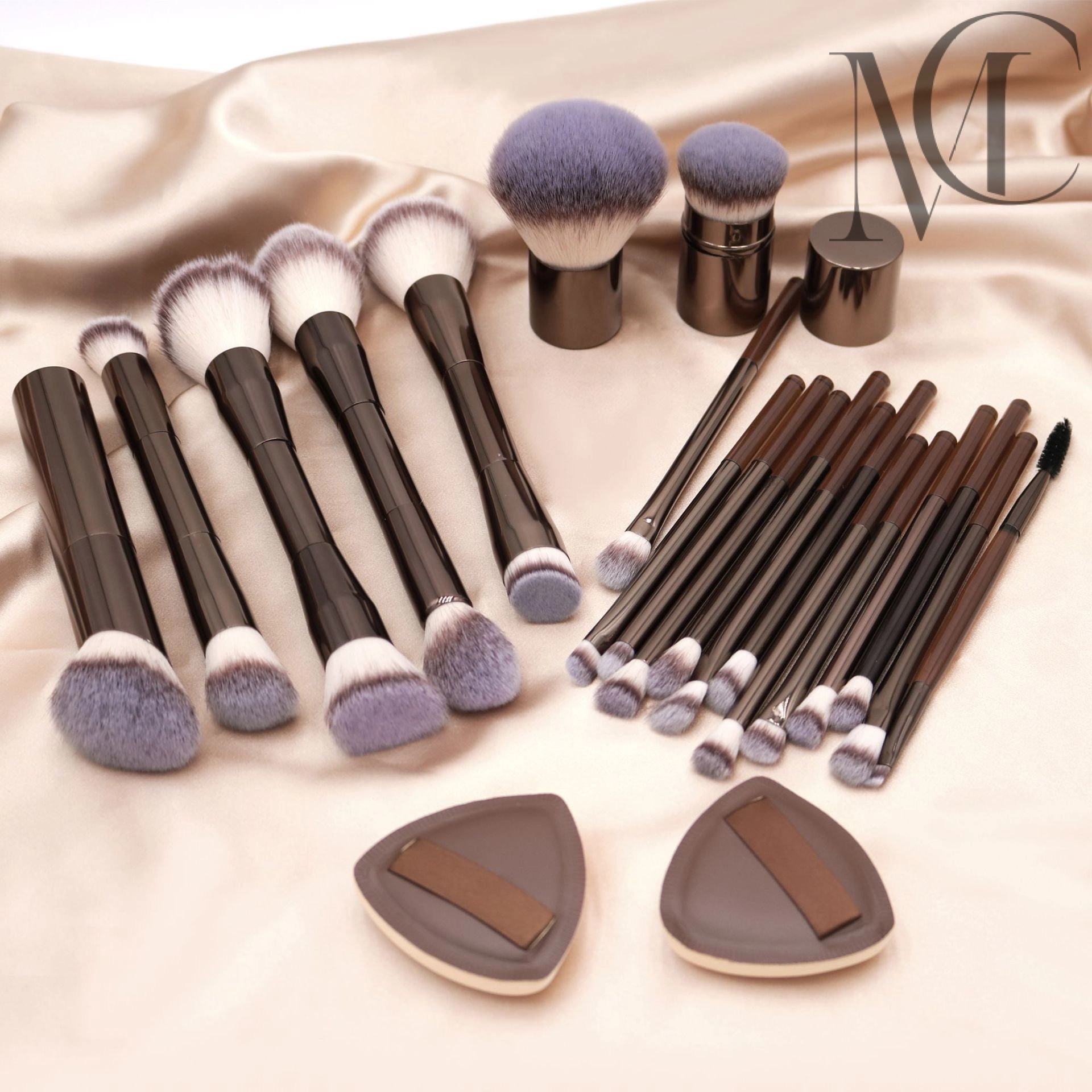
22-Piece Professional Makeup Brush Set| Brown Luxury Series | OEM Private Label Ready | Wholesale Cosmetic Brush Manufacturer
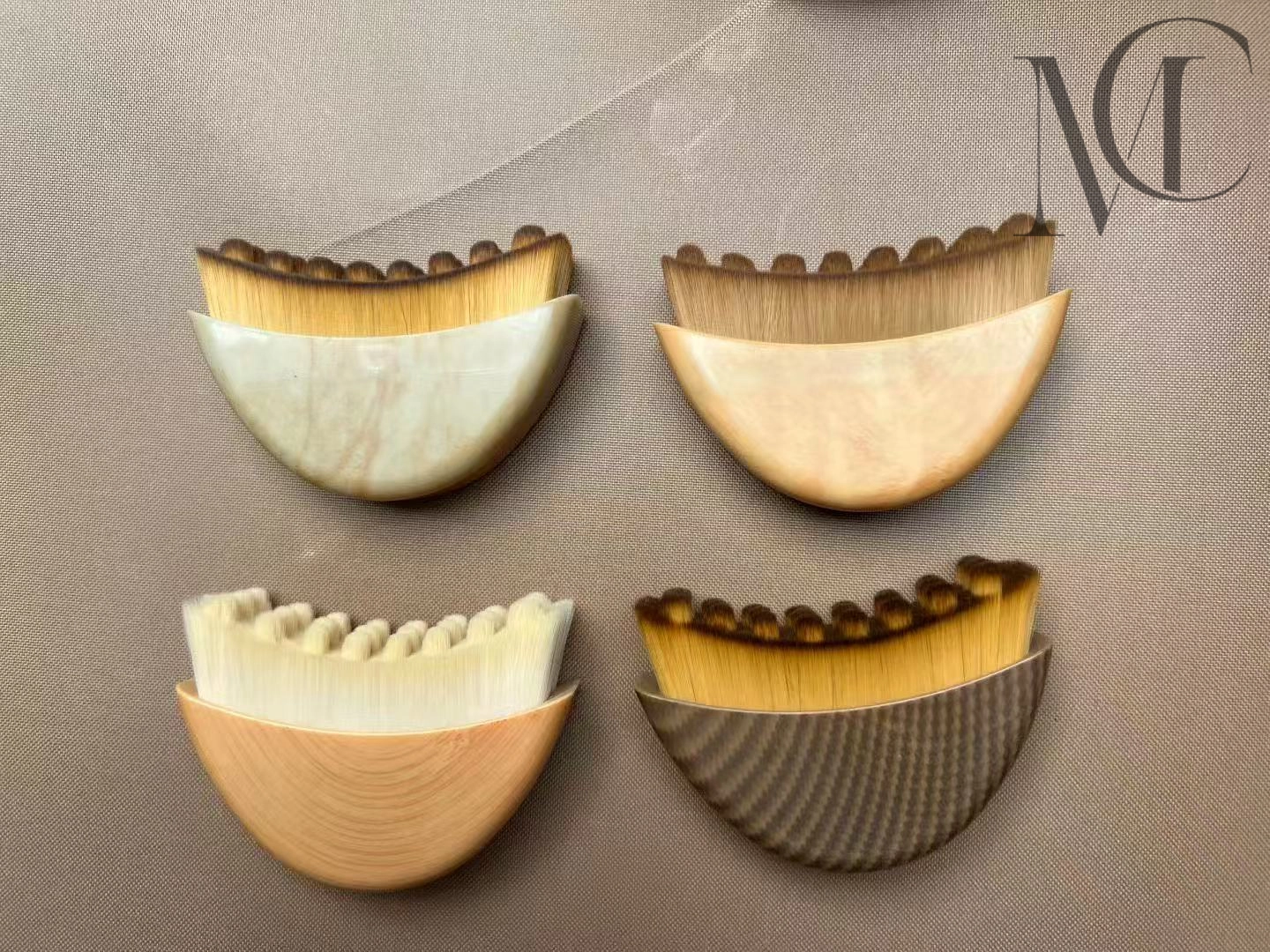
Premium Lymphatic Contour Facial Brush | Popular Makeup Brush Manufacturers
Prdoucts Categories
FAQ
For Company
Do you accept third-party factory audits (e.g., SGS, Intertek)?
Absolutely. We maintain a transparent supply chain and welcome third-party audits to verify our quality management systems and ethical labor practices.
For Customization
How long does it take for samples to ship? How long does it take to arrive?
In-stock samples will ship within 10 days, and custom samples will take 15-20 days. We usually use DHL, UPS, and FedEx Express, and they usually arrive 5-10 days after delivery.
How do I pay?
Trade Assurance Order, Western Union, PayPal, T/T, L/C, D/A, MoneyGram.
What is your Minimum Order Quantity (MOQ)?
For in-stock brushes, our MOQ is relatively low, making it ideal for small or startup brands.
For customized brushes, the MOQ varies depending on design complexity — typically around 500–1000 sets.
Can you produce brush sets or collections?
Yes, we can produce custom brush sets with any number of brushes, from mini travel kits to full professional collections. You can design the shapes, functions, and packaging to create a cohesive brand set.
More Insights from an Expert Cosmetic Brush Manufacturer
Dive deeper into the engineering secrets, material guides, and OEM supply chain strategies that help global beauty brands build their next best-sellers.

Hero SKU vs. Full Set: How to Build the Right Product Mix for Your Makeup Brush Brand
A lot of brand owners conflate two separate decisions when thinking about their product line: product structure and sales strategy. Untangling them makes everything clearer.
This guide explores the supply chain and commercial logic behind single hero brushes versus complete brush sets, helping you structure a product mix that maximizes Average Order Value (AOV), minimizes inventory risk, and builds a defensible luxury makeup brushes private label brand.
04/08/2026
Details ››

Skincare Applicators & Spa Brushes: The Next Big OEM Growth Category for Beauty Brands (2026)
The global spa and wellness market is projected to reach $6.6 trillion by 2025.
The professional skincare tools segment is growing at twice the rate of makeup brushes.
Most cosmetic brush brands have not noticed yet.
The ones that have are quietly launching skincare applicator lines that command retail price points 40% to 60% higher than equivalent makeup brushes—with lower competitive saturation and stronger repeat purchase rates.
This is your manufacturing guide to the category before it gets crowded.
04/06/2026
Details ››

Eco-Friendly Makeup Brushes: The Complete OEM Sourcing Guide for Sustainable Beauty Brands (2026)
In 2024, the EU banned over 2,400 chemical substances from cosmetic products. In 2025, major US retailers began requiring sustainability documentation from all new beauty tool suppliers. In 2026, your customer is reading your material list before they read your price.
The question is no longer whether your brush brand needs a sustainability strategy. The question is whether your current manufacturer can actually deliver one.
Sustainability in makeup brushes is no longer a niche positioning play for indie clean beauty brands. It is a baseline sourcing requirement being driven simultaneously by three forces:
→ Retail buyers at Sephora, Target, and major EU chains now require ESG documentation from suppliers
→ EU and US regulations are actively restricting virgin plastics and non-compliant chemical finishes
→ Millennial and Gen Z consumers—now the dominant beauty purchasing demographic—treat sustainability as a non-negotiable brand filter
This guide gives you the practical, technical framework for building a genuinely eco-friendly makeup brush line—covering materials, production standards, certifications, packaging, and what to actually ask your cosmetic brush manufacturer before placing an order.
04/05/2026
Details ››

B2B Sourcing Guide: How to Transition to a New Cosmetic Brush Factory Without Supply Chain Risks
Switching cosmetic brush suppliers without supply chain disruption is possible. Meco's B2B guide covers the 4-step transition roadmap, shedding prevention, and pilot run strategy. MOQ from 500 units. Factory-direct Shenzhen.
03/24/2026
Details ››

Beyond Synthetic: How a Vegan Makeup Brushes Manufacturer Crafts Professional-Grade Tools (2026 Edition)
True vegan brush manufacturing goes beyond synthetic bristles — it requires auditing adhesives, handle coatings, and every hidden component. Meco's complete B2B guide covers materials, certification, and sourcing strategy. Factory-direct from Shenzhen.
03/12/2026
Details ››

The Complete Technical Guide to Eco-Friendly Makeup Brushes (2026 OEM Specification)
Eco-friendly brushes require more than a bamboo handle. Meco's OEM engineering guide covers FSC, PCR, bristle specs, and retail compliance for Sephora, EU & Amazon. MOQ 500 units. Factory-direct Shenzhen.
03/02/2026
Details ››
Request Sample
Request a sample today, and our team will arrange fast delivery, helping you evaluate our materials and craftsmanship.

Contact Information


+86 133 9214 4121

Baolong Subdistrict, Longgang District, Shenzhen City, Guangdong Province, Nanyue, Dalang, North District
Add our WhatsApp
+86 133 9214 4121
Direct factory supplier of premium makeup brushes, offering small to large-scale customization.
Quick Links
• Tel: +86 13392144121
• Add: Baolong Subdistrict, Longgang District, Shenzhen City, Guangdong Province; Nanyue Dalang North District